
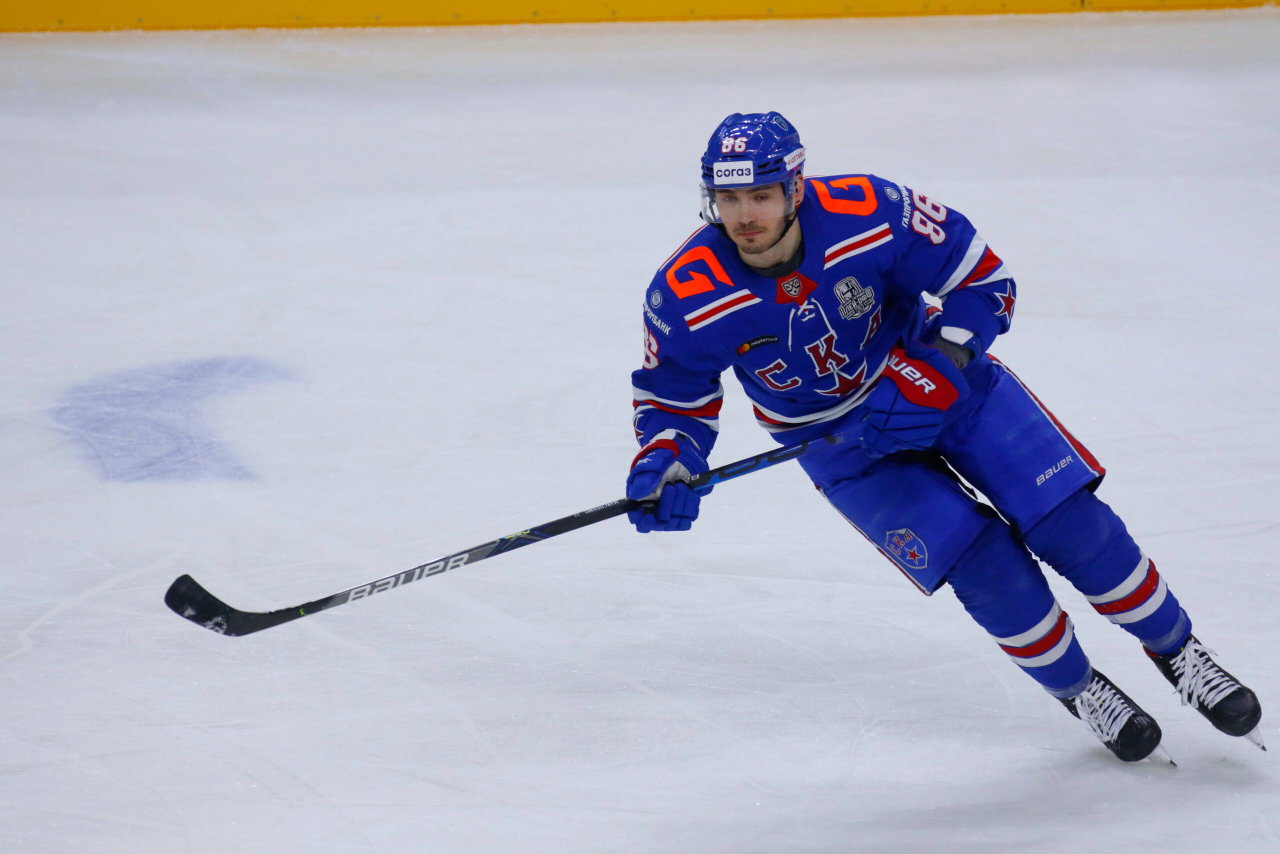
After four years of exclusion from international ice hockey, Russia was expected to return to the sport’s biggest competitions following a ruling by the Court of Arbitration for Sport. Russian teams were set to make their comeback at the 2026-27 IIHF World Junior Championship in Canada from December 26, 2026, to January 5, 2027. However, the decision has sparked growing opposition, with six European countries already announcing that they would refuse to play against Russia. Now, Canada has also taken a stand against Russia’s return.
Watch What’s Trending Now!
On November 3, Canadian Prime Minister Mark Carney confirmed that Russian and Belarusian athletes would not be allowed to compete under their national flags or symbols at sporting events hosted in Canada. The decision directly affects the upcoming World Junior Championship, which will be held in Alberta.
The announcement followed a joint statement from Canada’s foreign affairs, immigration and sport ministers. The government confirmed that it would use its immigration powers to individually assess and prevent Russian and Belarusian athletes and officials from entering Canada to compete under their national symbols.
When asked whether Russian players would be denied visas, Carney replied: “There will be none of those athletes competing for their countries in Canada.” He then made the position on the World Juniors clear: “So if you’re asking specifically about the world juniors, the Russians will not be there.”
Canada also clarified that the measure was not aimed at Russian or Belarusian citizens as a whole. Its official statement said: “This measure is not directed at the Russian and Belarusian people. Rather, it is intended to prevent the governments of Russia and Belarus from using international sporting events hosted in Canada as platforms for state representation, political legitimacy and propaganda.” It also confirmed that athletes competing in a neutral capacity would still be allowed to take part in international sporting events hosted by Canada.
The Canadian announcement comes after six European nations expressed their opposition to playing Russia following the CAS ruling. Finland was the first to announce its position on November 2, saying its national teams would not play against Russia in international tournaments as long as the war in Ukraine continues. Latvia also reaffirmed its longstanding position against competing against Russia and Belarus.
On November 3, Norway, Denmark, Sweden and Czechia joined the growing opposition. Norway said it would refuse to play Russia at the 2027 Men’s World Championship, citing security concerns and the safety and wellbeing of its players, staff and their families.
Denmark also confirmed that its teams would not play against Russia, while Sweden announced that its national teams would refuse to face the Russian side in upcoming World Championship tournaments. Czechia also joined the boycott after initially indicating that it would wait before making a decision. With Canada and six European nations now opposing Russia’s return in different ways, one question remains: why was the ban lifted in the first place?
Germany and sponsors push back against Russia’s return
Russia was excluded from international ice hockey competitions in February 2022, following its full-scale invasion of Ukraine. The International Ice Hockey Federation said allowing Russian teams to compete would raise safety and security concerns for players, officials and other participants. But the Russian Ice Hockey Federation challenged the decision, arguing that its national teams should be allowed to return to international competitions. The IIHF continued to exclude Russia and Belarus for the 2026-27 season, again pointing to safety and security concerns.
However, Russia’s appeal reached the Court of Arbitration for Sport, which ruled in its favour on October 30, 2026. The court found that the IIHF had not provided enough evidence to support its security concerns as grounds for excluding Russian teams. It ordered the governing body to allow Russia to enter its competitions again.
The impact of the ruling is already being felt beyond the national teams. Germany is scheduled to host the 2027 Men’s World Championship from May 13 to 30, but the German Ice Hockey Federation has strongly opposed Russia’s return.
DEB chairman Frank H. Lutz made the federation’s position clear, saying: “Our position remains unchanged: We reject the return of Russian national teams to international ice hockey tournaments.” He also warned about the possible consequences of Russia’s participation: “Allowing Russia to participate would have significant security, political, and economic consequences for us as hosts.”
The federation has even raised the possibility of giving up its hosting rights. Speaking to German broadcaster MagentaTV, Lutz said: “I want to avoid painting a bleak picture. But of course we have to consider the option of handing back this World Championship.”
Opposition to Russia’s return has also come from tournament sponsors and host cities. Swedish furniture company AJ Products, which has sponsored the World Championship since 1989, said it would ask for its logo to be removed from the tournament if Russia takes part. Finnish tyre manufacturer Nokian Tyres has also indicated that it would withdraw its sponsorship if Russian teams are allowed to compete. Meanwhile, the Finnish city of Turku has said it will not co-host the 2028 World Junior Championship if Russia participates.