
The IOC spent almost a decade changing the Olympics to appeal to younger audiences. That began in 2014, under former IOC president Thomas Bach, with the “Olympic Agenda 2020” reforms. It introduced sports like skateboarding, surfing, sport climbing, and breaking, expanded the Youth Olympic Games, and pushed into esports. So, it was definitely a step into the younger audience. However, before this path was fully established, the IOC now seems to be taking a step back.
Watch What’s Trending Now!
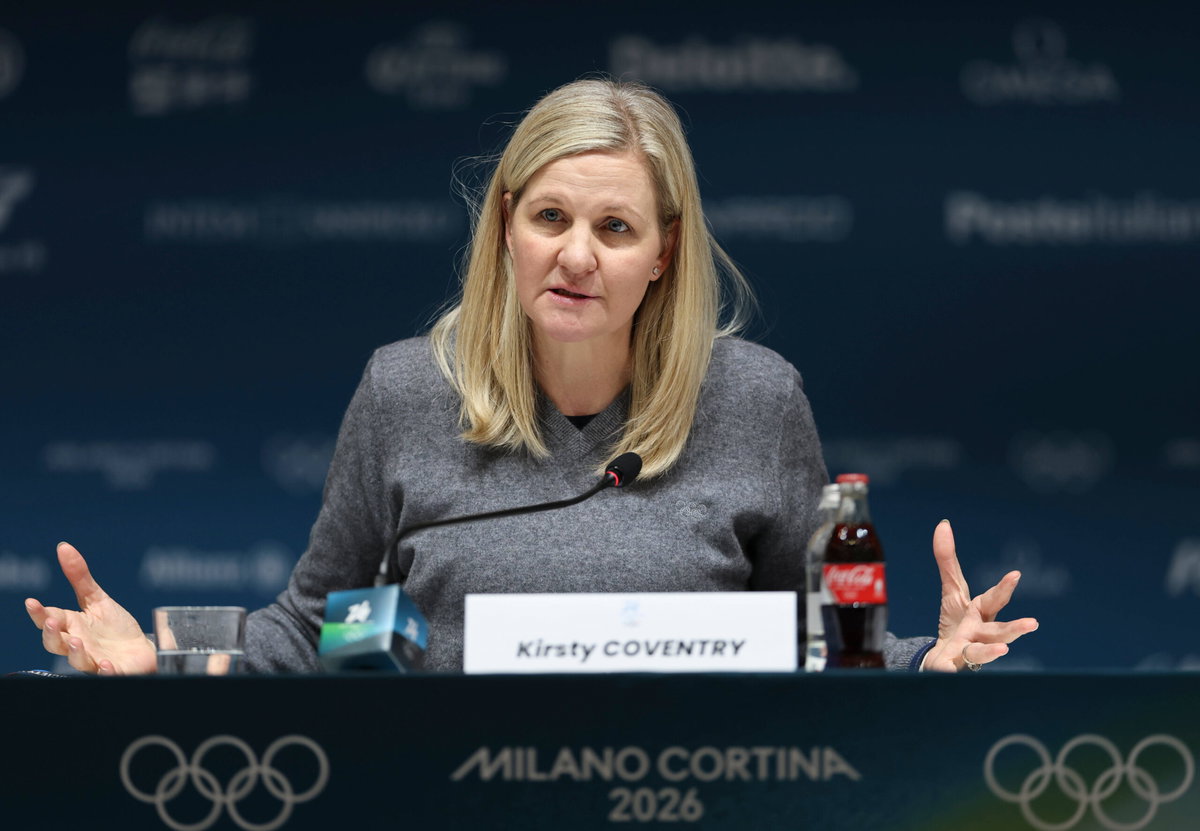
The 2030 Youth Olympic Games host election process, which was supposed to be held in June and include bidding from Asuncion, Bangkok, and Santiago, has been paused by the new IOC president, Kirsty Coventry.
She explained her reason, “We need to pause and have a real reflection on why we’re doing the Youth Olympic Games, and we realized that across the Movement it’s very disjointed. There’s not a true North Star of why we’re doing the Youth Olympic Games.” Sure, the IOC has not cancelled future editions, but it has made clear that no new host will be chosen until a new strategy is defined. And that uncertainty has sparked interpretation in the sports world.
Olympic bidding expert and Canadian journalist Robert Livingstone said the IOC may be changing direction. He said, “It seems the IOC’s expansion era is over and they’re pulling back to address a drop in revenues. The Youth Olympics, as we knew them, are done – and the Esports Games may never launch. Youth Olympics, Olympic Esports Games paused as IOC president undertakes significant restructuring to focus on core business.”
When Livingstone mentions “core business,” it seems to point towards the main Olympic Games. After all, it is the IOC’s primary source of income. In the latest Olympic cycle (2021-2024), the IOC generated around $12 billion in revenue, and most of it came from broadcasting rights and worldwide sponsorship deals. Compared to that scale, the YOG sits in a very different category. They are not a commercial product and do not generate direct IOC revenue like the main games.
However, there has been no public confirmation from the IOC about the reason for the YOG on the basis of revenues. Rather, it is still playing the strategic reset card.

It seems the IOC's expansion era is over and they're pulling back to address a drop in revenues. The Youth Olympics as we knew them are done - and the Esports Games may never launch - Youth Olympics, Olympic Esports Games paused as IOC president undertakes significant Show more
To understand why this matters, it helps to look at what the YOG was originally started for. The Youth Olympic Games were first launched in 2010 in Singapore and in 2012 in Innsbruck as a development platform for athletes between 14 and 18 years old. They were also a proving ground for Olympic innovation over time as new sports and formats were introduced before they began at the senior Games. For instance, Breaking has been introduced at the Buenos Aires 2018 Youth Olympics and was then part of the Paris 2024 Olympics.
Despite the current lull in future planning, IOC says that it is still committed to future editions. The 2026 Dakar Summer Youth Olympics is still on for October 31 – November 13 and will mark the first-ever Olympic Games of its kind in Africa, where approximately 3,000 young athletes will engage in competition. In addition, the 2028 Winter Youth Olympics in Dolomiti Valtellina is set to take place.
However, it is not only the Youth Olympic Games that are uncertain these days. The future of Olympic esports is still up for debate.
IOC’s Olympic Esports games face collapse after Saudi deal falls through
The Olympic Esports Games were approved in 2024 and were expected to be a fully fledged event around 2027. Saudi Arabia also inked a long-term 12-year deal at the time to host and to support the project. At that time, it seemed like it was the obvious route for esports into the Olympics. The scheme, however, failed to materialise in late 2025 when both sides dropped their partnership.
The main issue for the breakdown was governance and control. According to reports, the IOC was not entirely happy with the project’s format. Worries were raised regarding the extent of influence associated with Saudi-led esports systems, the absence of a fully independent model of global governance, and the differences in the way decision-making would fit with the Olympic model of neutrality.
Saudi Arabia already has a strong esports ecosystem in place with state-sponsored events and major league competitions, such as the Esports World Cup in Riyadh, which offer large prizes for playing. However, officials of the IOC believed that the model was too centralised in one country and did not fit the overall Olympic organisation.
But the deal was broken, and the IOC put the project in a “pause and reflect” mode. It looks like a hiatus, but that pause now appears to have widened further with no replacement host or clear timeline announced.
Kirsty Coventry has confirmed that the Olympic Esports Games are still being considered, but under a much tighter and more cautious approach. “It is very much alive,” Coventry said while confirming that the Esports Commission has been disbanded.
She added, “Esports is sitting under my Executive Office. I have been working with an expert in the field. But for now, we are focusing on our core business and trying to make strong future strategies for the core business first while still working very clearly on what potential there could be for esports and what that would look like.” For now, the idea of Olympic medals being awarded for video games is on hold.