
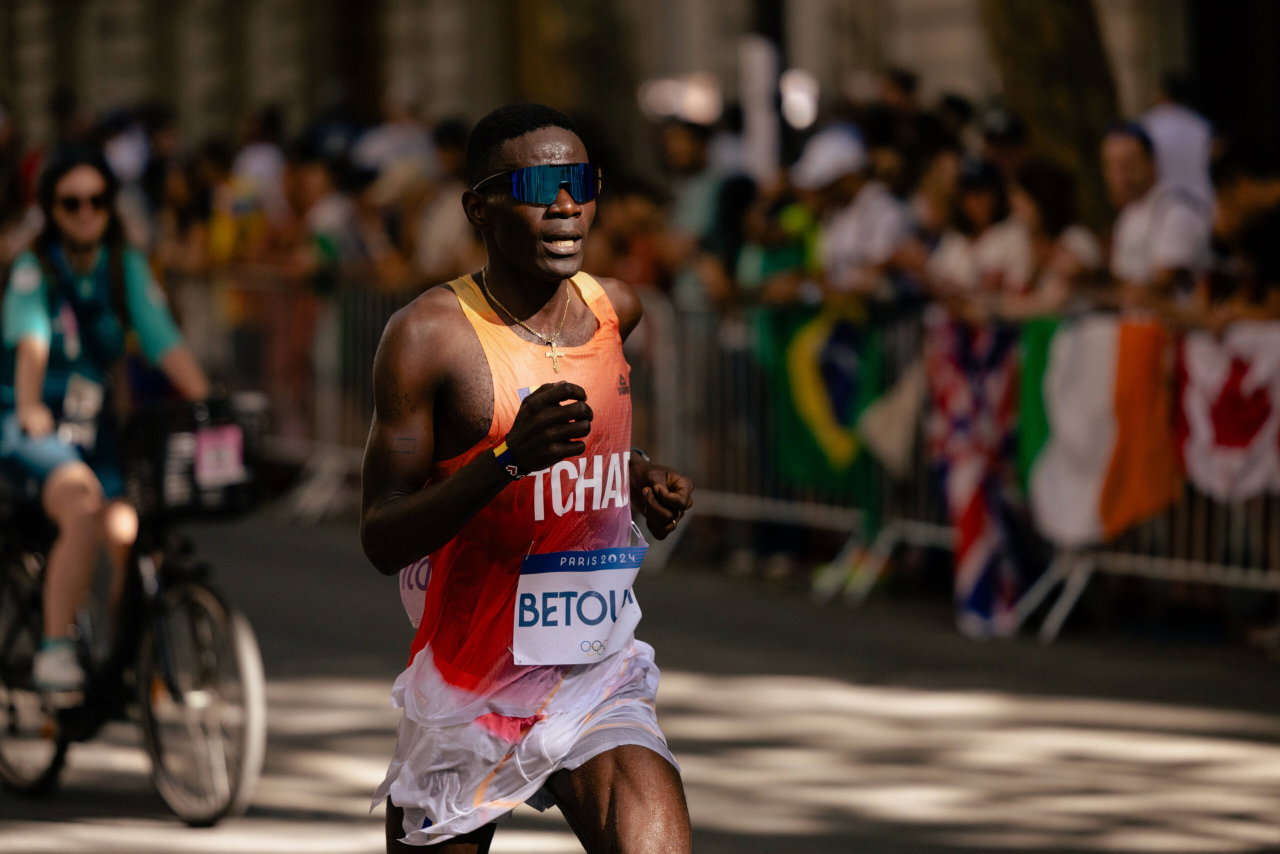
Chad’s athletics community is facing an unwanted doping controversy after marathon runner Valentin Betoudji received a provisional suspension from the Athletics Integrity Unit (AIU). The 35-year-old holds his country’s national marathon record, making this development a major concern for Chad’s distance-running scene.
According to the suspension notice issued by the AIU, Betoudji is facing an anti-doping case involving two prohibited substances: 19-norandrosterone and Triamcinolone Acetonide. The allegations have raised questions about his future in competitive athletics. However, the AIU has not announced a final decision in the case.
Both substances have different medical uses and effects on the human body.
The first substance is 19-norandrosterone, which is a metabolite of nandrolone. Nandrolone belongs to the anabolic androgenic steroid group. These steroids can help athletes build muscle, increase strength, and recover faster.
However, the World Anti-Doping Agency (WADA) prohibits nandrolone at all times. This means athletes cannot use it during competitions or outside competition periods.
The second substance is Triamcinolone Acetonide, a glucocorticoid medicine. Doctors generally use it to treat inflammation and swelling.
However, WADA prohibits athletes from using this substance through injections, oral medication, and rectal routes during competitions. Athletes can use certain other routes under the applicable medical conditions and dosage rules.
Therefore, the two substances belong to different categories of the prohibited list. Their presence in an athlete’s sample can lead to an anti-doping investigation.
However, the available information does not explain how or when these substances allegedly entered Betoudji’s body. It is also too early to say that he deliberately used performance-enhancing drugs.
This doping case has attracted attention because of Betoudji’s achievements in long-distance running.
According to his World Athletics profile, Valentin Betoudji holds a marathon personal best of 2:18:20, which is also Chad’s national record. He set this record at the Valencia Marathon on December 3, 2023, marking a major achievement in his running career.
The Chadian runner has also posted several other notable times. He completed the 20km road race in 1:01:56 in Paris in October 2023. His personal bests also include 1:08:46 in the half marathon, 31:09 in the 10km, and 15:40 in the 5km. Betoudji also took part in the 2026 Berlin Marathon on September 27, finishing in 2:30:19. This was around 12 minutes slower than his national record, although the difference does not establish any link to the current doping allegations.
What lies ahead for Betoudji as other marathon stars face doping bans?
A provisional suspension does not mean that an athlete has received a final doping ban.
Instead, it temporarily prevents an athlete from taking part in athletics competitions and activities while the anti-doping case moves forward.
The AIU uses this measure to protect the sport while it investigates an alleged violation or waits for a final decision. It does not mean that the athlete is already guilty.
Betoudji will now have to go through the anti-doping process before the authorities reach a final decision.
The process may include further examination of his test results, his explanation, and other relevant evidence. If the authorities establish a violation, they will decide the punishment based on the applicable anti-doping rules.
As of the latest available information, the AIU has not announced a final ban or its duration. Betoudji, his coach, and his representatives have also not made any publicly confirmed statement explaining the allegations.
Betoudji’s case also brings attention to other doping incidents involving well-known distance runners.
One relevant example is Kenyan marathon runner Eliud Magut. In 2017, his urine samples from the Vienna and Geneva marathons showed the presence of 19-norandrosterone, the same metabolite involved in Betoudji’s case.
According to an AIU disciplinary tribunal document, Magut claimed that he had received an injection from a gym instructor to improve his libido. He said he was unaware that the substance was prohibited. However, the AIU did not find his initial explanation satisfactory and moved forward with disciplinary action.
Another major case involved Kenyan marathon star Ruth Chepngetich. The women’s marathon world record holder received a provisional suspension in July 2025 after testing positive for Hydrochlorothiazide (HCTZ), a prohibited diuretic.
She later admitted to anti-doping rule violations and received a three-year ban in October 2025.
Former New York City Marathon winner Albert Korir also faced serious consequences. In March 2026, he received a five-year ban after admitting to doping violations involving CERA, a blood-boosting substance related to EPO.
These incidents show that doping cases can affect runners at different stages of their careers, including some of the biggest names in marathon running.
For Betoudji, however, the immediate focus remains on the ongoing anti-doping proceedings. His national record and previous achievements remain part of his sporting record unless the authorities impose a relevant disqualification.
The Chadian runner now faces an uncertain period as he awaits the final decision. The outcome of the case will play an important role in deciding his future in competitive athletics.