
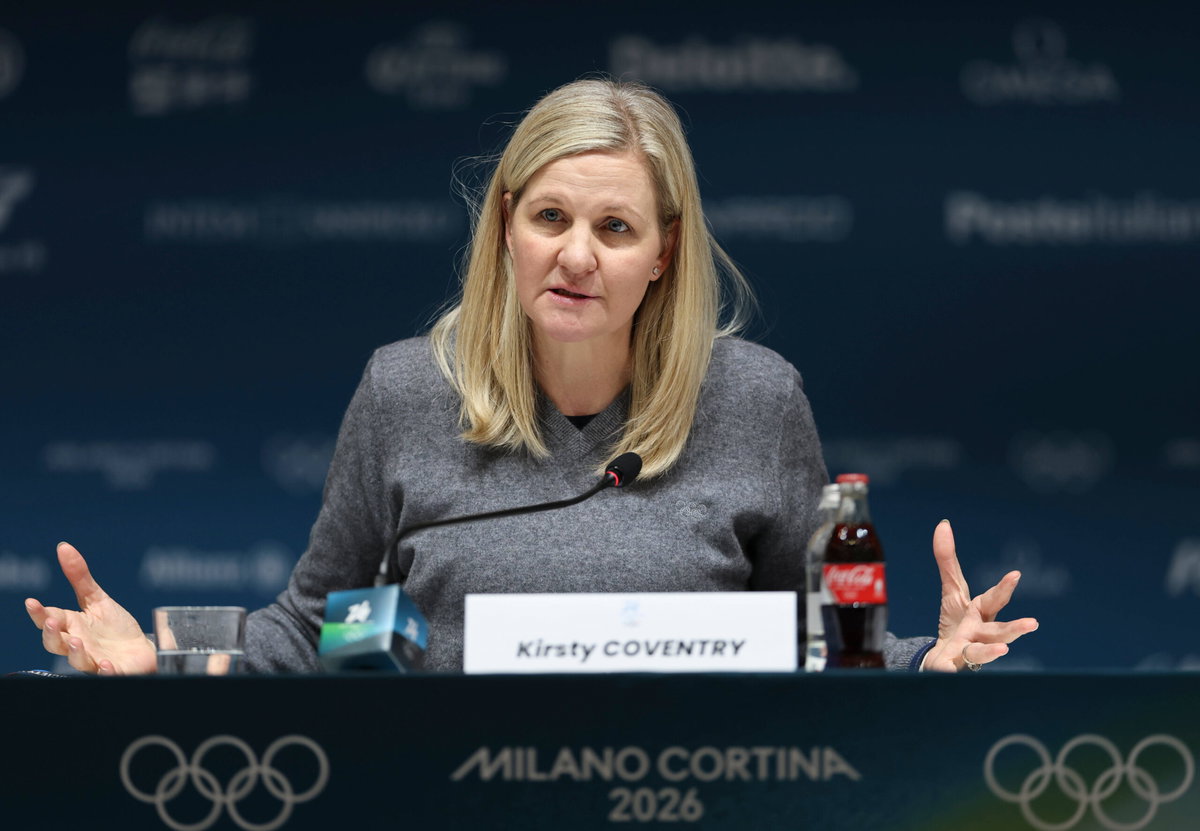
On July 7, the International Olympic Committee (IOC) provisionally lifted the suspension of the Russian Olympic Committee (ROC), allowing Russia’s Olympic body to regain its place within the international sports system after nearly three years. However, the move quickly faced backlash from several European countries. Facing growing criticism, the IOC has now defended its decision, explaining the reasons behind the move on Russia’s status in the Olympic movement.
Watch What’s Trending Now!
“The IOC has to navigate the complex realities and consequences of the current geopolitical context,” an IOC spokesperson said on July 15, according to Japan Times. “The IOC must uphold its mission to preserve a values-based and truly global sporting platform that provides hope to the world.”
The IOC also stressed that the decision does not mean Russia has made a full return to Olympic competition. The organization said it will continue not to hold events in Russia and will not invite Russian government officials to IOC events. A decision on whether Russian flags, colors, or the national anthem will be permitted at future Olympic Games has also not been made.
The latest move comes after a dispute that began in October 2023, when the IOC suspended the ROC after it added sports organizations from the Ukrainian regions of Donetsk, Luhansk, Kherson, and Zaporizhzhia, which are controlled by Russia, into its membership. At that time, the IOC said the move violated the territorial integrity of the Ukrainian Olympic Committee and breached the Olympic Charter.
Reuters
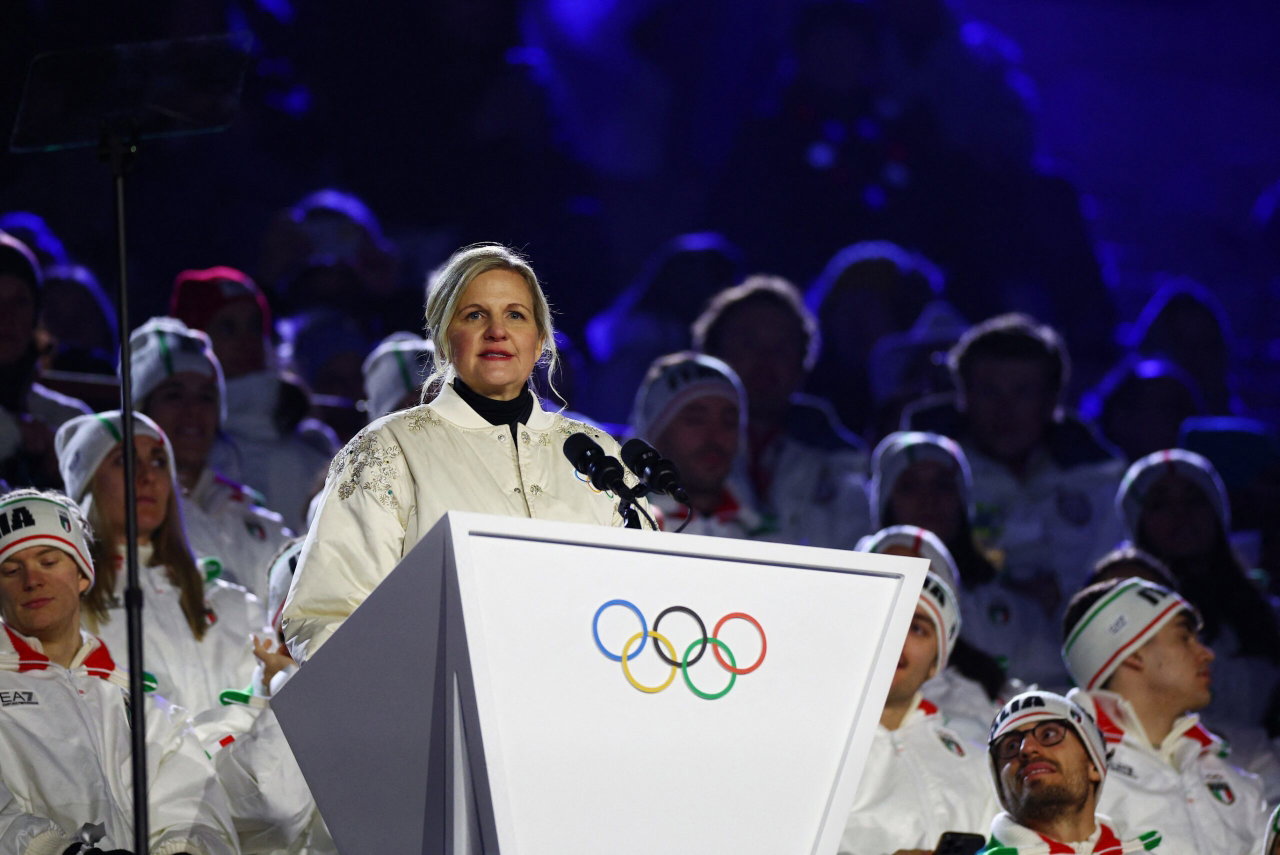
[US, Mexico & Canada customers only] Feb 22, 2026; Verona, Italy; IOC President Kirsty Coventry delivers a speech in the Closing Ceremony of the Milano Cortina 2026 Olympic Winter Games at Verona Olympic Arena. Mandatory Credit: Guglielmo Mangiapane/Reuters via Imagn Images
The nations pointed out that the return of Russian and Belarusian athletes ignores the situation of Ukrainian athletes who had to leave their homes, do not have access to training facilities, or have joined the military during the war. Respect for human rights, the rule of law, and peaceful relations between nations are among the core principles underpinning international sport,” the countries wrote.
The discussion around Russia and its standing in sports is far from over as the IOC defends its decision. But this is not the first time a sports body has come under pressure for reopening its doors for Russian and Belarusian athletes.
World Aquatics faced similar backlash after allowing Russian athletes’ return
In February 2022, following the invasion of Ukraine by the Russian Federation, the Russian and Belarusian swimmers were barred from participating in World Aquatics competitions. But then on September 4, 2023, World Aquatics announced that athletes from both countries would be allowed to participate as neutral individual athletes in international events.
World Aquatics furthered the controversy in 2026 after it lifted those bans for senior Russian and Belarusian athletes on April 13. The ruling meant that they are allowed to participate in World Aquatics competitions in their country’s uniforms, flag and national anthem following the necessary anti-doping and background checks.
The move was met with immediate criticism, particularly from Ukraine. Ukrainian officials and athletes said they were not being consulted when the Russian national team was restored during the war, which meant neglecting the plight of Ukrainian athletes and the effect on their sports community. Ukrainian skeleton athlete Vladyslav Heraskevych called the decision “unacceptable and disgraceful.”
This backlash extended to Europe as well. Norway and Poland were among those that protested against the decision. The Swimming Federation of Norway announced that it will not host international swimming competitions if Russian and Belarusian athletes wear national symbols.