
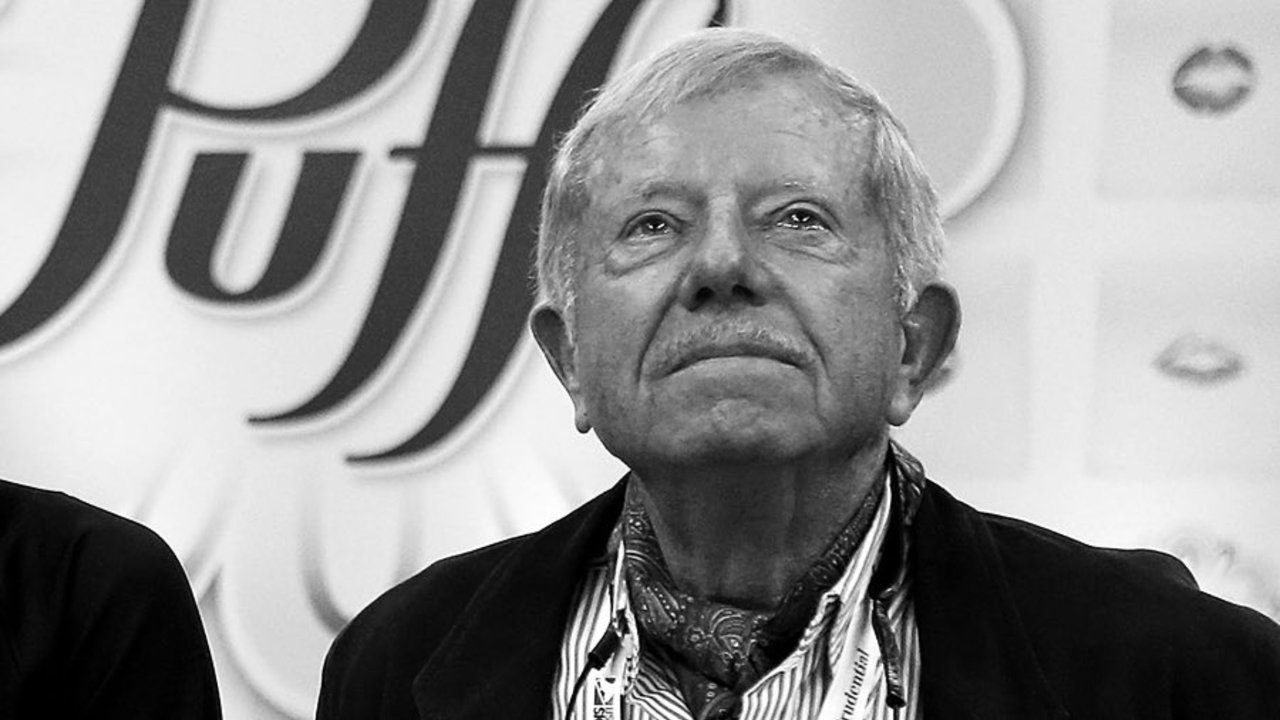
After winning the Pacific Coast Novice Championship in 1961, Peggy Fleming was beginning to make her mark in American figure skating. But tragedy struck on February 15, 1961, when a plane crash in Belgium killed her coach, William Kipp. His death left Peggy devastated, and she struggled to find her footing in a sport. Then, British coach John Nicks arrived in the United States and helped her continue her skating journey. She trained with him in 1963 and finished third at the U.S. National Junior Championships. Peggy would later become an Olympic champion, while Nicks went on to coach generations of skating stars. Now, years later, the legendary coach has passed away at 97 on November 3, 2026.
Watch What’s Trending Now!
U.S. Figure Skating paid tribute to Nicks on November 4, with CEO Matt Farrell remembering the lasting mark he left on the sport. “The skating community has lost a tremendous ambassador with the passing of John Nicks,” Farrell said. “John helped shape generations of American figure skating and his influence extended well beyond the champions he coached. He earned the deep respect of the skating community through a lifetime of dedication to his athletes and to the sport…” His cause of death has not been publicly disclosed.
Born on April 22, 1929, in Brighton, England, Nicks first stepped onto the ice at the age of nine. His father, who owned a sporting goods business, enrolled him and his younger sister, Jennifer, in skating lessons so they could learn more about the sport. N The siblings eventually became a pairs team and won six British national championships together. They made their Olympic debut at the 1948 Winter Games in St. Moritz, finishing eighth, before returning to the 1952 Games in Oslo, where they placed fourth.
Their biggest achievement came in 1953, when they won the World Championship in Davos, Switzerland. They also claimed the European title that year and collected four World Championship medals between 1950 and 1953. Looking back on how their partnership began, Nicks once joked that his sister had been the better skater.
“My sister was much better at it than I was!” he said in a 2013 interview. After their World Championship success, John and Jennifer retired from amateur competition and moved into professional ice shows. Nicks later performed in South Africa, but an accident during a show left him with a broken foot. He spent six months away from the ice, and that period gave him time to think about what he wanted to do next.
Coaching soon became his new direction. In 1961, Nicks moved to Los Angeles to fill the coaching gap left by the devastating Sabena Flight 548 crash. He began working at Iceland Arena in Paramount, California, where he also learned about the American skating business from Frank Zamboni.
It was the beginning of a coaching career that would last more than five decades. Among the first generation of American skaters he worked with was Peggy Fleming. One of his most successful partnerships was with Tai Babilonia and Randy Gardner, whom he coached from their early years.
The pair grew into one of America’s leading figure skating teams, with their biggest achievement coming in 1979 when they won the World Championship in Vienna. They were also expected to compete at the 1980 Winter Olympics, but an injury to Gardner forced them to withdraw. Nicks continued working with some of the country’s best-known skaters, including Tiffany Chin, Christopher Bowman, Jenni Meno and Todd Sand. His students also included Sasha Cohen, who won Olympic silver at the 2006 Winter Games, and Ashley Wagner, who earned Olympic team bronze in 2014.
According to U.S. Figure Skating, John Nicks coached more than 1,200 skaters during his career. But his lessons went beyond jumps, spins and routines. He taught his students that skating was also about telling a story and connecting with the people watching from the stands. It was a lesson Ashley Wagner remembered when she paid tribute to him after his death.
Ashley Wagner remembers the coach who made her a champion
Ashley Wagner made that clear in her emotional tribute following his death. “Mr Nicks, you were a champion maker,” Wagner wrote on Wednesday. “I will forever be grateful for my time with you, the lessons learned and the athlete that you transformed me into. You made me understand that I had to skate for the person sitting in the last row, at the top of the arena. You made me a performer, a skater who learned to care so much more about the total package, instead of just the jumps.
“Thank you for making me a champion, I would not be where I am today if it were not for you. Thank you for all of the moments and memories in figure skating you helped construct. The performances and standing ovations you were responsible for constructing. The history that you made. A champion maker, a legend, and a man who was larger than life. Rest in peace.”
Nick also received the Professional Skaters Association’s Coach of the Year award in 1991 and 2012. He was inducted into the U.S. Figure Skating Hall of Fame in 1993 and the World Figure Skating Hall of Fame in 2000.
Away from the rink, Nicks enjoyed boating and fishing and often spent time refurbishing his boats.
From winning a World Championship alongside his sister to coaching Olympic and World medalists, Nicks spent more than five decades giving his time to figure skating. He once said he had been lucky to work with so many talented young athletes. But those who trained under him would likely say they were just as lucky to have had him as their coach.