
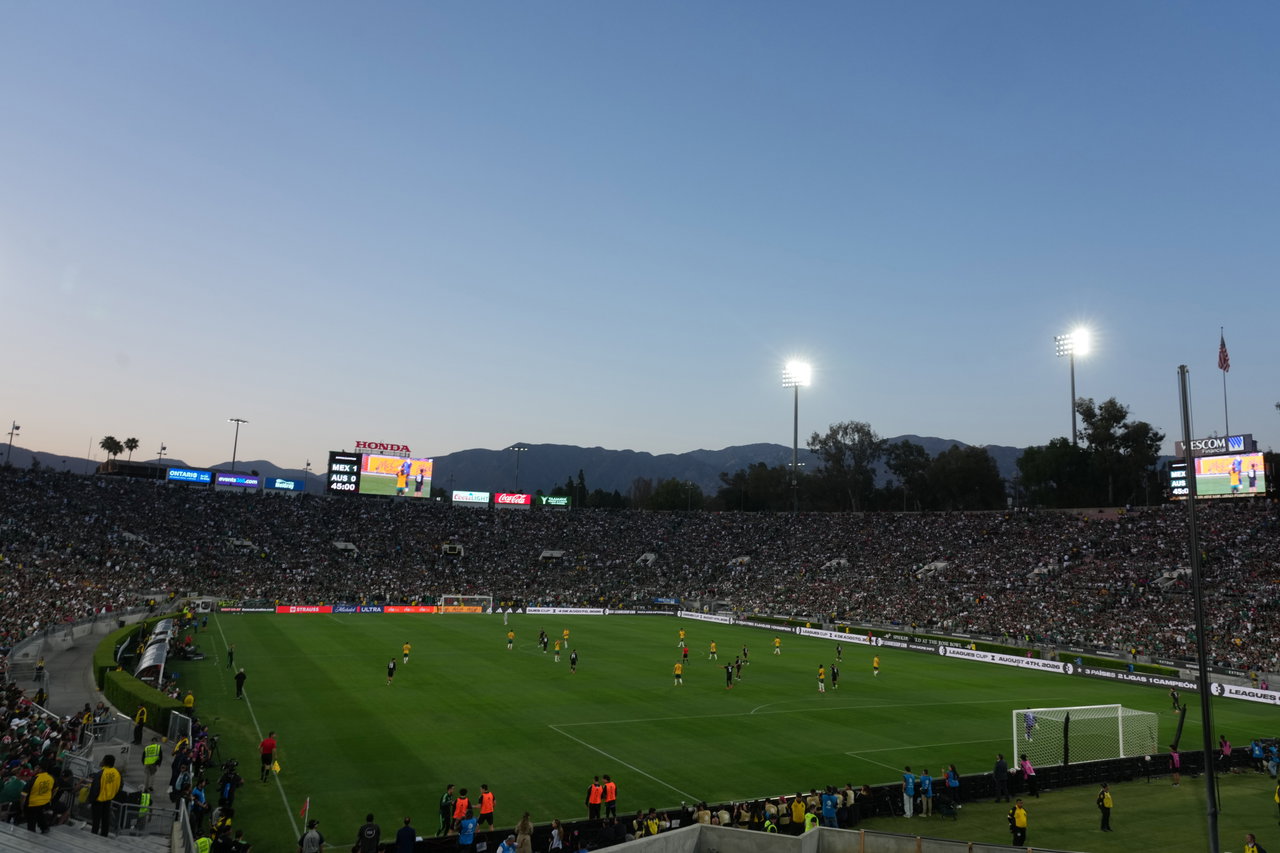
Ever since the fans screamed it loudly in 2002, FIFA’s patience with Mexico has been growing thin. Now their appeals against FIFA fines totalling 140,000 Swiss francs have been rejected. The sanctions, issued across two separate hearings in 2024, stem from the repeated use of a chant. It is not the first time the federation has faced punishment over the issue, and the chant remains a persistent problem with no resolution in sight.
Watch What’s Trending Now!
The Athletic reported that FIFA rejected the Mexican Football Federation’s latest attempt to overturn fines. As per the report, the Court of Arbitration for Sport rejected the FMF’s attempt to overturn the 140,000 Swiss francs ($178,000) fine. FIFA handed down the fine to the federation after their fans repeatedly used a homophobic chant.
“The panel recognises the unique nature of the FMF’s situation, who demonstrated that significant financial resources and efforts have been deployed to eradicate the offending conduct,” CAS said, as per Reuters.
“However, they found that the prohibited conduct persists, and the preventative measures do not carry sufficient legal weight to exempt the FMF from liability.”
The Mexican Football Federation has faced questions about the chant before. The origins, however, are murky. Some date it back to an Olympic qualifier in 2002, while others point to a game between Atlas and Guadalajara. Either way, the chant has become a staple in Mexican fans’ arsenal, often used when goalkeepers take goal kicks.
It went viral during the 2014 FIFA World Cup and was also heard during the 2018 and 2022 editions. Yet, FIFA took action in 2024, when the chant was used during three friendlies against Bolivia, Uruguay, and Brazil. The use of the chant during those games led to a 60,000 Swiss francs fine and a 15% stadium closure during their next international.
That happened during an October friendly against the USA, when the chant echoed around the stadium again. This time, FIFA fined El Tri 80,000 Swiss francs, bringing the combined total to 140,000 Swiss francs. The Mexican federation filed two separate appeals for the two separate cases, with a hearing held in Miami in March 2026. However, CAS denied the appeal and upheld the fine.
Yet, at the same time, CAS annulled the partial stadium closure, as they recognized the federation’s attempt to cull things. That has been the case with the federation threatening fans with five-year stadium bans. The chants did reduce somewhat, although people largely linked the recent rise to the 2026 World Cup. Things escalated to a point where the FMF launched a campaign in April.

MEXICO WELCOMES SOUTH AFRICA WITH MARIACHIS 🇿🇦🤝🇲🇽 This was how Mexico welcomed the nation they will face in the World Cup opener 👏🏽 #Mexico #SouthAfrica #WorldCup2026 #Football #OpeningMatch
Their hope is to urge supporters to stop the chant after FIFA partially closed the Cuauhtemoc Stadium for a World Cup warm-up match. However, not everyone thinks the chant is bad. Alejandro Oliva, a fervent football fan from Guadalajara, was confused as to why the FMF wanted the chant stopped.
“It amazes me that outside of Mexico, people believe that it’s a homophobic chant. In Mexico, it’s normal, and it does not offend anyone,” Olivia said as per PBS. “I think that even people from the gay community use the word, and they don’t get aggravated.”
Not everyone in Guadalajara shares Oliva’s view, however. For LGBTQ+ activists, the debate over intent has long missed the point entirely.
LGBTQ+ activists appeal to local fans to end the chant
This isn’t the first time the FMF has been fined for the chant. During the 2014 World Cup, the federation was fined 100,000 Swiss francs and a one-match closed-door ban. Then, in 2022, the same thing happened again, forcing another fine. Yet it showed that the initial fine had no impact.
That was especially after the repeated incidents in 2024, which were part of the FMF’s argument to the CAS. However, since then, FIFA has put a three-step protocol into place to help combat the chant and similar actions. Step one is a stoppage in play and a warning, step two (if the chants continue) is a suspension of the match, and step three is abandoning the match.
Even then, Andoni Bello, an LGBTQ+ activist and critic of the chant, is concerned about how the fan behaviour could be seen by outsiders during the 2026 World Cup.
“Those fines have been for nothing. And what has the federation done? Not much. And what it has done is useless,” Bello said as per ESPN in 2025.
“I’m concerned about the violence expressed in stadiums, which is invisible and anonymous. This normalized violence perpetuates homophobic hate crimes in this country. It seems very drastic, but it’s real. If we think nothing’s happening, we’re perpetuating it.”
For Bello, the issue is not whether fans should be passionate or intimidating. Instead, he believes there is a clear line between creating a hostile atmosphere and using poor language.
“I want my team to win, and I want the other team to feel the pressure of the stadium,” Bello added. “Of course, I’m going to yell and pressure them to make mistakes, but I don’t need to make homophobic comments. It’s not necessary.”
With CAS upholding the fines, the FMF now finds itself in the same position it has been for years. Yet with the 2026 World Cup fast approaching on home soil, the focus is no longer on the chant. It’s more about whether Mexican football can prevent it from defining the conversation once again.