
World Aquatics aimed to bring Russian and Belarusian swimmers back into the fold, but instead, it may have just pushed Norway out. It has reversed a major ban on Russian and Belarusian swimmers. The decision ends a restriction period that began in 2022 after the invasion of Ukraine. But the decision, intended to unify the sport, has instead drawn a firm line in the water, with Norway now leading a European charge against the ruling.
Watch What’s Trending Now!
On April 22, the Norwegian Swimming Federation announced that it would not host any international swimming championships until Russian and Belarusian athletes can compete with their full national identity. Although Norway does not host major international events frequently, its ruling is significant in the European swimming community, particularly considering its leadership in the Nordic region. It splits the international swimming communities and triggers a response from World Aquatics.
Federation president Cato Bratbakk said the stance is firm, “Our position is clear. We will not host any championships as long as Russian and Belarusian senior and junior competitors have full access, entry rights, and are permitted to use their flags and national anthems.”
Following this, Norway has also started pushing for a wider regional response. Following this, Norway has also started pushing for a wider regional response, with talks planned with Nordic countries in the coming week to build a shared position against the decision.
“We are scheduled to meet with Nordic colleagues next week, where we hope our position will create momentum against the decision made by World Aquatics,” Bratbakk said. But at the same time, the reaction is not limited to Norway alone.
Imago
Bildnummer: 13791749 Datum: 13.06.2013 Copyright: imago/Insidefoto
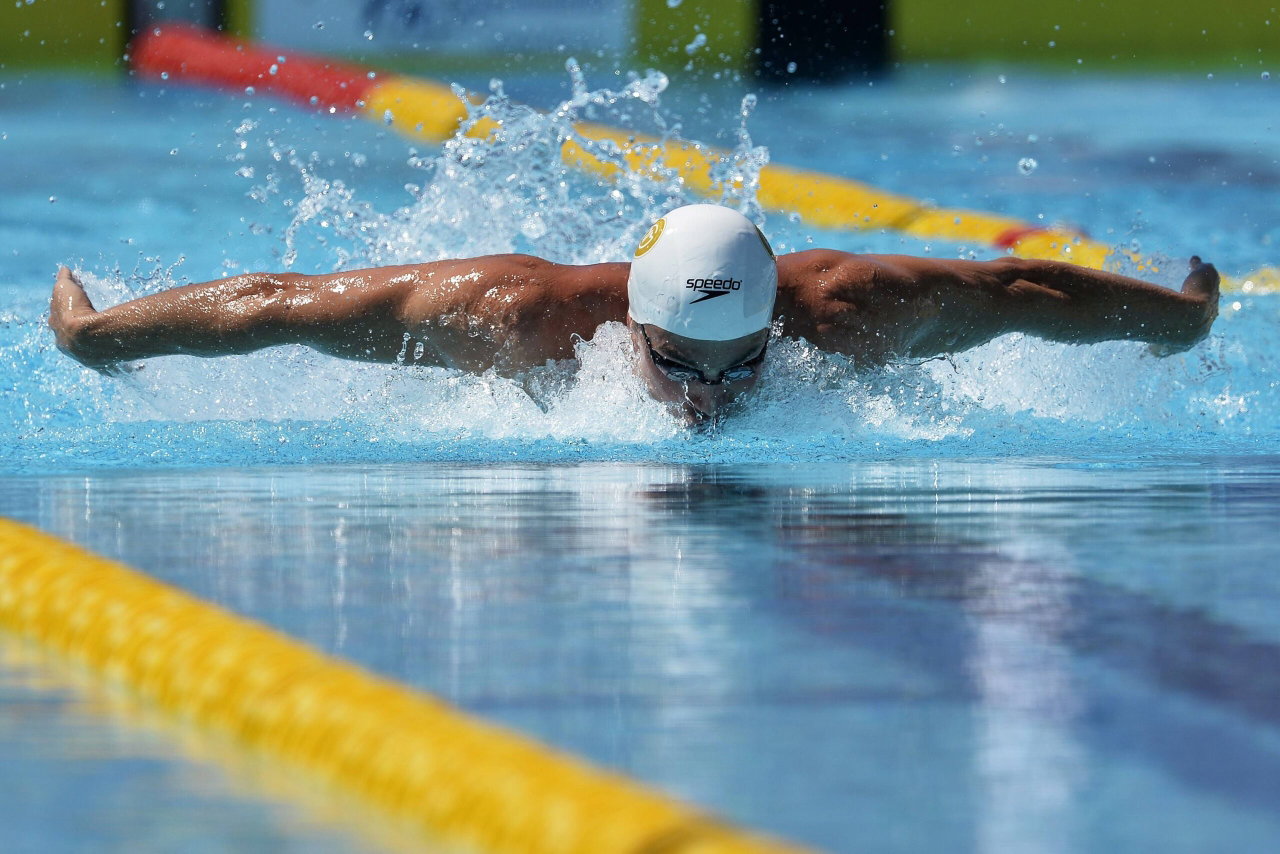
Rafael Munoz Perez Spain 100m Butterfly Men Roma 13/6/2013 Piscina del Foro Italico Nuoto 50mo trofeo Settecolli Settecolli 50th International swimming trophy Foto Andrea Staccioli Insidefoto PUBLICATIONxNOTxINxITAxFRA andreaxbalda; Schwimmen xsp x0x 2013 quer Swimming Nuoto Settecolli Roma
Image number 13791749 date 13 06 2013 Copyright imago Inside photo Rafael Munoz Perez Spain 100m Butterfly Men Roma 13 6 2013 Piscina DEL Foro Italico Nuoto Trofeo Settecolli Settecolli 50th International Swimming Trophy Photo Andrea Staccioli Inside photo PUBLICATIONxNOTxINxITAxFRA Swimming x0x 2013 horizontal Swimming Nuoto Settecolli Roma
While athletes from these countries will still compete against Russian and Belarusian swimmers, the federations have made it clear they do not intend to host events under the current policy framework.
“The Nordic federations stressed that athletes should not suffer or be excluded from participation, and the common stance is to allow them to continue competing internationally,” one representative noted. At the same time, they confirmed that hosting duties will be withheld until the situation changes. Meanwhile, Poland has also voiced strong opposition.
With the country due to host the 2027 European Diving Championships in Rzeszów, officials have raised concerns. “I don’t know what the global political situation will be then. If there is still a war going on just across our border, then we as Poland will not organize such an event with the participation of Russians,” said Otylia Jedrzejczak.
While major swimming powerhouses like the USA, Australia, Great Britain, Germany, and China stay aligned with World Aquatics, the question remains: why did the federation take this decision after nearly four years?
Reason behind World Aquatics’ restoration of Russia and Belarus participation
World Aquatics made a decision to allow athletes from Russia and Belarus to compete without restrictions on April 13. In its statement, the organization said, “Senior athletes with Belarusian or Russian sport nationality will be permitted to compete in World Aquatics events in the same way as their counterparts representing other sport nationalities, with their respective uniforms, flags and anthems.”
World Aquatics president Husain Al Musallam revealed the main reason: “We are determined to ensure that pools and open water remain places where athletes from all nations can come together in peaceful competition.”
Russian sports officials also welcomed the move. “It is very important that international sporting dialogue is bearing fruit and enables the orderly restoration of sporting ties,” Russian Sports Minister and President of the Russian Olympic Committee, Mikhail Degtyarev, said. But still, the reaction was immediate and divided.
Several countries and sporting officials criticized the decision, arguing that it sends the wrong message while the war in Ukraine is still ongoing. Despite the backlash, World Aquatics has not changed its position and continues to stand by the rule shift, saying sport should remain open to all athletes regardless of political conflict. As a result, the sport is now in a divided position.