
The Chicago Marathon delivered thrilling finishes on Sunday, but viewers at home had another reason to remember the race – and not a good one. As elite runners battled for victory, NBC Chicago’s broadcast drew criticism for missing crucial moments and prioritizing interviews over the action.
Watch What’s Trending Now!
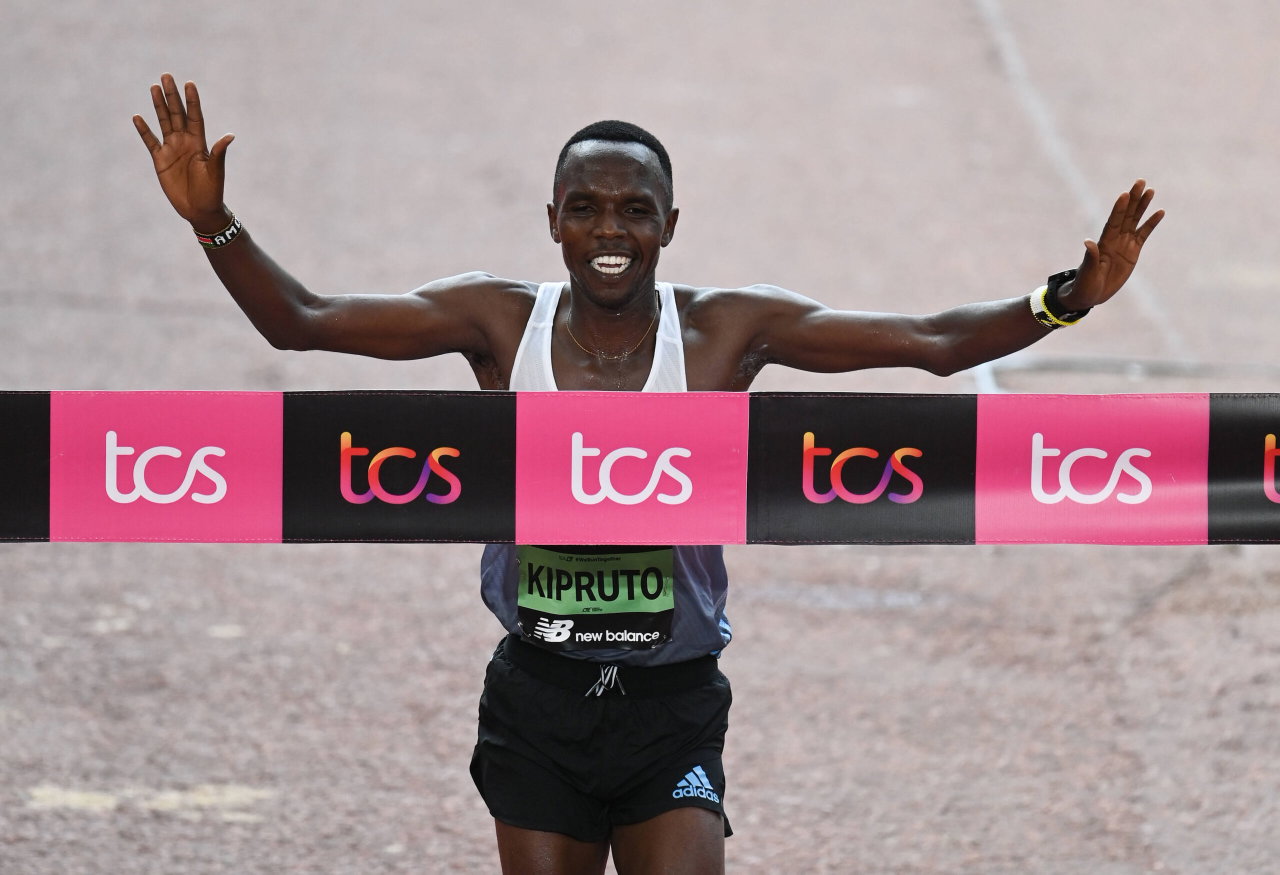
More than 55,000 runners took to the streets for the 26.2-mile race, with Ethiopia’s Hawi Feysa defending her women’s title and Kenya’s Amos Kipruto finally claiming the men’s crown. Yet the excitement on the course was repeatedly overshadowed by complaints about how the event reached television audiences.
The biggest frustration came during the women’s race, when Feysa and Sharon Lokedi were locked in a dramatic contest near the finish. Instead of staying with the leaders, the broadcast cut to an interview with an Abbott executive, leaving viewers to question its priorities. Sports journalist Jonathan Gaut did not hold back in his reaction to the decision.
“NBC5 cutting away to interview an Abbott VP during the final two miles of an incredibly dramatic women’s race between Hawi Feysa and Sharon Lokedi at the Chicago Marathon is simply absurd. Broadcasting malpractice and total disrespect for the event,” Gaut wrote.
The criticism went beyond that single interruption. According to the critics, the broadcast also struggled with a camera malfunction that delayed coverage of the leading American man until nearly an hour into the race. While the technical problem offered an explanation, it did little to ease viewers’ frustration. Former radio journalist Fisseha Tegegn also called out the production, arguing that the coverage missed key finishes while showing less relevant moments.
“The broadcasters are hilarious. They didn’t show us athletes crossing the finish line, but they are now showing us an athlete being sick and vomiting after finishing her race. Today’s Chicago Marathon broadcast has been embarrassingly awful,” Tegegn wrote.
He added that viewers missed Ethiopian runner Tadese Bikila and others crossing the finish line, despite Bikila securing second place in the men’s race.
The complaints raised a familiar question about marathon coverage: how can broadcasters follow the elite races, wheelchair competition, and thousands of participants without losing the moments that matter most? Viewers pointed to picture-in-picture layouts as one solution, allowing interviews or wheelchair coverage to continue without taking the main race off screen.
Coming to the race, Feysa and Lokedi remained close through the closing miles, turning the women’s race into a tense duel before the Ethiopian made her decisive move.
Feysa crossed the finish line in 2:13:33, beating Lokedi’s 2:14:07 and improving her winning time from the previous year by more than a minute. The victory made her a back-to-back Chicago Marathon champion, while Lokedi also recorded a personal best. Brigid Kosgei completed the podium in 2:14:55.
The men’s race brought another compelling storyline, with Kipruto completing a three-year progression up the Chicago podium.
Amos Kipruto finally claims the Chicago Marathon crown
After finishing third in 2024 and second in 2025, Kipruto returned determined to go one step further. He eventually broke away from defending champion Jacob Kiplimo and held on to win in 2:01:09, a personal best that placed him joint-fifth on the all-time marathon list alongside Eliud Kipchoge.
Ethiopia’s Tadese Bikila finished second in 2:02:56, while Milkesa Mengesha took third. Kiplimo, who had battled Kipruto through much of the race, finished fourth.
After winning the race, Kipruto admitted, “It was either win or die for me.” He stated that the victory was “all about that mindset.”
Kipruto’s victory earned him $100,000, matching Feysa’s prize for winning the women’s race. American Vincent Mauri also produced an ambitious performance, finishing tenth overall in 2:06:45 after targeting a time faster than the American record.
The performances deserved a broadcast that kept viewers connected to the action. Instead, the criticism has renewed calls for better planning and more effective use of available camera technology.
There may be a reason for optimism. The 2027 Chicago Marathon will host the USATF Marathon Championships, and organizers have indicated that expanded camera coverage is planned. The event will also feature 20 American men and 20 American women competing for national titles, alongside an expanded High Performance Program designed to support athletes pursuing Olympic Marathon Trials standards.
Chicago has no shortage of world-class racing or compelling stories. The challenge now is ensuring viewers can actually see them unfold.