
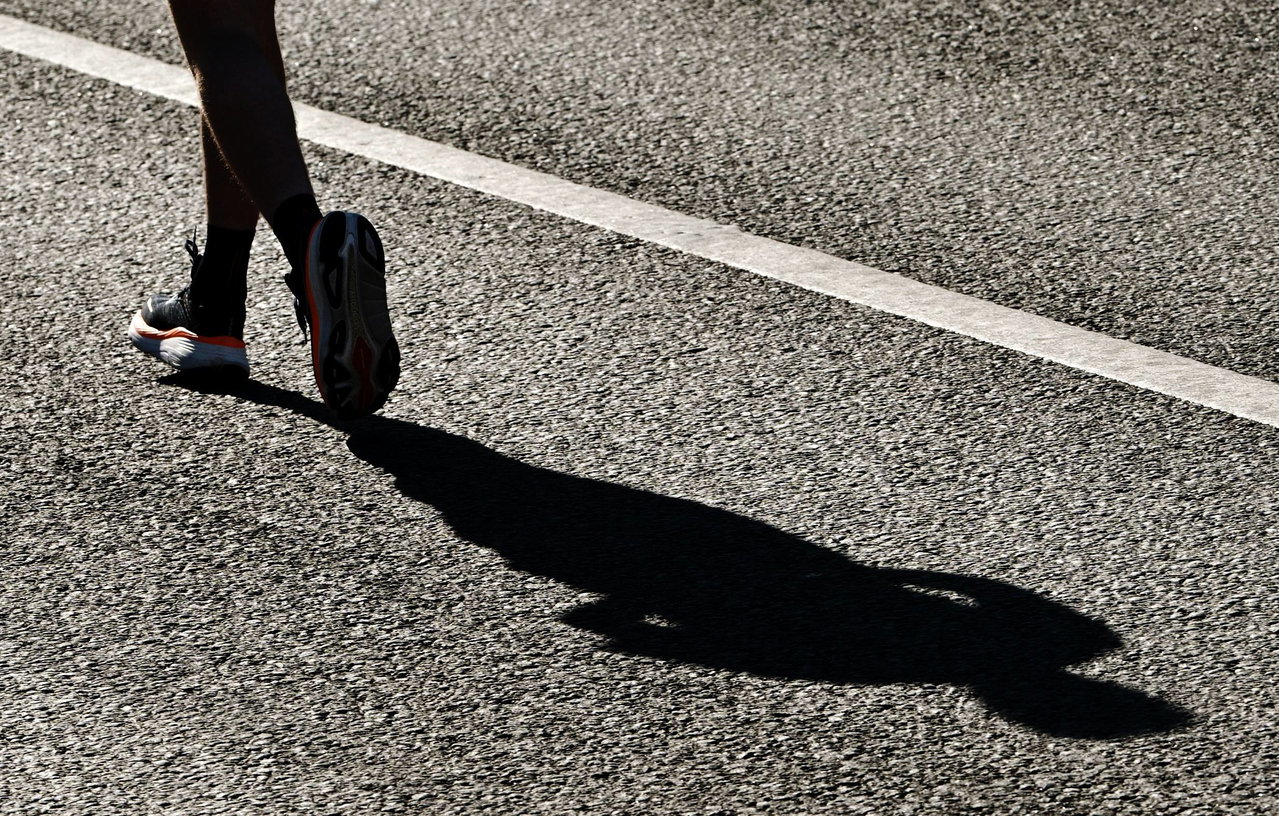
What began as a routine Sunday morning race in Santa Barbara quickly turned into a medical mystery. More than two dozen participants from the city’s annual half-marathon required medical attention, prompting police to investigate unusual symptoms and triggering speculation about possible drink contamination. However, the county’s latest findings have offered a different explanation.
The Santa Barbara Half Marathon, which attracted approximately 7,500 registered participants across its half-marathon and 5K events, took place on November 8. While the race initially unfolded without major concerns, emergency calls began coming in as runners made their way through the course. Soon, rumors of possible ketamine poisoning began circulating online, with some participants questioning whether something had been added to the drinks served at hydration stations.
The speculation gained traction after a Los Angeles-based writer, Jennifer Lynn Callahan, claimed on X that the alleged poisoning was isolated to a hydration station around mile 11 or 12. She suggested that the incident involved approximately one gallon of electrolyte drink, although the substance and circumstances had not been officially established.
Callahan also claimed that police had interviewed runners and that hospital officials were examining the possibility of drug exposure. Her post further suggested that ketamine testing could take one to three days. However, neither law enforcement nor medical authorities have confirmed these allegations.
The concerns were not limited to social media. Some participants also described unusual experiences following the race, with one runner claiming that consuming electrolyte drinks around mile 12 triggered immediate nausea and distorted vision. Another account alleged that a hospitalized participant believed they had been drugged. These accounts added to the growing speculation, although they did not establish a connection between the drinks and the medical emergencies.
Meanwhile, the Santa Barbara Police Department confirmed that it had received reports from a local hospital about multiple participants seeking treatment for unusual symptoms. The department launched an investigation into the circumstances but stopped short of confirming whether the incident involved criminal activity.
As questions continued to mount, the Santa Barbara County Public Health Department released an update on November 9, offering a possible explanation for the sudden wave of hospital visits.
What did Santa Barbara County’s health department reveal?
According to the department, the medical incidents appeared to be connected to race participation and the unusually warm conditions rather than a broader public health threat.
“At this time, the medical incident appears to be an isolated event connected directly to race participation and the heat. There is no indication of a broader public health concern or ongoing risk to the community,” the department stated in its press release.
The update also provided a clearer picture of the emergency response. Of the 7,500 registered participants, 30 received medical treatment during the event. Four were treated and released at the scene, while 26 were transported to emergency departments through ambulances or private vehicles. Of those transported, 19 went to Cottage Hospital and seven to Goleta Valley Hospital.
The first request for medical assistance came at approximately 8:41 a.m. for a runner experiencing symptoms consistent with heat exhaustion, including lightheadedness and feeling faint. However, the situation escalated quickly as additional participants began requesting medical assistance along the course.
Importantly, county officials also addressed the growing concerns about possible contamination at the hydration stations. Environmental Health Services inspectors had examined the location where the electrolyte drinks were prepared on Friday afternoon and Saturday morning, ahead of issuing temporary food facility permits. Their inspections found no violations or areas of concern.
The department further confirmed that water supplies and other products were clean, packaged, and stored under sanitary conditions. While these findings provide some reassurance, they do not independently establish the precise cause of every runner’s symptoms. The investigation into the incident remains ongoing.
The weather, meanwhile, offered another possible piece of the puzzle. Santa Barbara experienced temperatures around 80 degrees Fahrenheit during the race, roughly 10 degrees warmer than the area’s average for November 8. With the half-marathon covering 13.1 miles, runners faced prolonged physical exertion under conditions that could increase the risk of dehydration and overheating.
Race director David Monico had earlier maintained that the medical team treated numerous participants for dehydration and overheating, both along the course and at the finish line. He also said organizers had not received additional information about the hospitalized runners.
County Health Officer Dr. Henning Ansorg emphasized that participant safety remained the priority, urging anyone who continued to experience symptoms after attending the event to seek medical attention and consult a physician, urgent care facility, or emergency department.
For now, the suspected ketamine poisoning remains an unverified claim rather than an established explanation. While social media accounts have raised questions about the hydration stations, county inspections have identified no sanitation violations, and health officials believe the incidents were likely heat-related. Until authorities establish exactly what happened, the circumstances surrounding the runners’ sudden illnesses remain under investigation.