

In a 2008 interview with Daley Thompson, journalist Robert Chalmers called him “the world’s greatest all-round athlete”. His reasoning is sound. After all, Thompson won two Olympic golds as a decathlete and broke the decathlon world record four times. For an athlete of that stature, you’d expect the rewards to have matched the achievement. Instead, Thompson competed in an era when athletics offered almost no financial security, under rules that allowed only limited endorsements before 1982. It meant that sacrifice wasn’t just part of the deal, some nights, it meant being grateful for nothing more than a floor to sleep on.
Watch What’s Trending Now!
“We were earning literally nothing,” Thompson recalls of those early years.
Even after becoming an Olympic champion, Thompson travelled with little comfort.
“I was happy to sleep on floors to do what I was doing. Even at the beginning of the 1980s, when I was already Olympic champion, I would go on warm weather training to California and I would sleep on people’s floors or sofas. But honestly, it forges you, it makes you. Because you don’t expect anything, you know you have to earn it,” he said, as per The Guardian.
Thomson would go on to win two gold medals at the Olympics in Moscow (1980) and Los Angeles (1984).
Even then, his experience reflected an era when even Olympic champions weren’t guaranteed financial security. There were costs for training, travel, equipment, and competitions. Thompson simply found ways to keep going without expecting much in return.
Yet, it didn’t really deter him or hurt his progress. Alongside his two Olympic golds in 1980 and 1984, the British decathlete also dominated the Commonwealth stage. Thompson won three consecutive golds between 1978 and 1986, winning all three comfortably.
In fact, in 1978, he won six out of ten events and his 8.11m long jump would have been enough to win the individual event at the Games. His final points tally tells the story on its own, with the then 20-year-old winning by over 800 points.
That domination continued and by 1983, when Daley Thompson won gold at the World Championships, he held all the major decathlon titles. By the time injuries and age caught up to him, Thompson had added two European Championships gold and a 4x100m Commonwealth silver alongside a nine-year unbeaten streak to his tally.
And the money eventually came albeit, rather surprisingly, through a video game. It eased Thompson’s life a little and yet, despite all the hardships he faced, the now-68-year-old admitted he misses that period and being a decathlete.
“Every day,” Thompson told Chalmers in 2008. “Not a day goes by when I don’t wish I was still doing it. Being selfish, training, no responsibilities. To be honest all I ever wanted to be was the best. I don’t enjoy fame.”
It’s also likely why, after he retired from athletics, Daley Thompson continued being an athlete. He dipped his toe into football, fulfilling a boyhood dream when he stepped out onto the field for Mansfield Town and Wimbledon FC, with appearances in the non-league as well. That wasn’t enough, though, as the now 68-year-old also had a stint in motor-sports, winning a handful of races.
However, Thompson isn’t the only Olympian to have experienced that struggle firsthand. Similar stories have emerged across different sports and generations. For many athletes, reaching the Olympics has meant years of financial pressure. Training, equipment, travel, and coaching can consume enormous amounts of money. Yet only a select few turn Olympic success into lasting wealth.
The Olympics Can Bring Glory Without Financial Security
The 2016 Rio Olympics offered a clear picture of that imbalance. More than 11,000 athletes entered the Games, but only a fraction won medals. Even among medalists, financial rewards varied sharply between countries and sports. India offered substantial medal bonuses, while the United States offered considerably smaller payments. Taxes could also reduce those American rewards further.
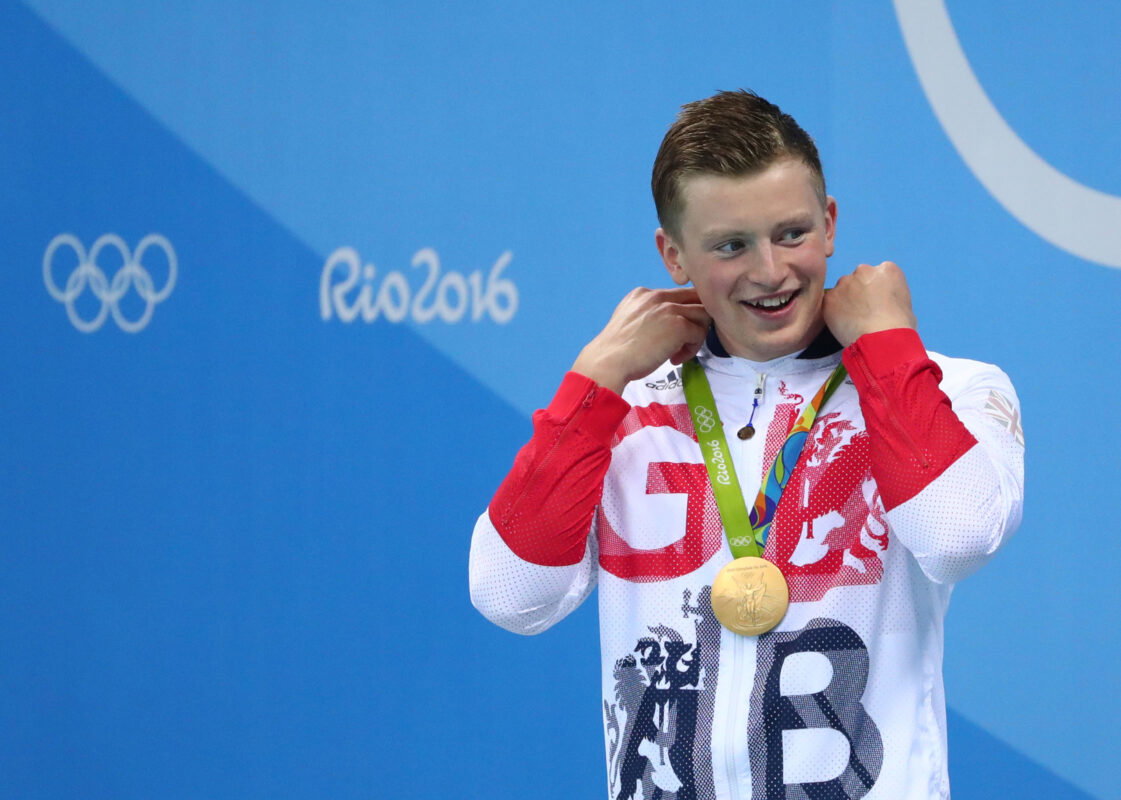
The bigger money, however, often came from sponsorships rather than medals themselves. Michael Phelps entered Rio with enormous commercial value already attached to his name. Simone Biles attracted major endorsement deals after becoming a global gymnastics star. Their situations were exceptional, not typical. Most Olympians could not expect anything close to that level of income.
For athletes in less commercially popular sports, the financial picture could look completely different. Equipment alone could cost thousands before competition even began. Fencing, equestrian sport, and other disciplines demanded significant personal investment. More than 100 American athletes reportedly turned to GoFundMe before Rio. Some sought help simply covering equipment and basic living expenses.
The pressure continued after the Olympic moment ended. Winning a medal didn’t always guarantee long-term financial stability. Ronda Rousey won Olympic bronze in judo, then struggled financially afterward. Debi Thomas reached the highest levels of figure skating before later facing bankruptcy. Their stories showed how quickly sporting success could become financial uncertainty.
That remains the uncomfortable side of Olympic competition. Athletes can spend years investing everything into reaching one Games. Yet the financial return often depends on sport, country, popularity, performance, and sponsorship appeal. For most competitors, the Olympic experience itself becomes the reward. Thompson’s generation knew that reality long before modern athletes faced it.