
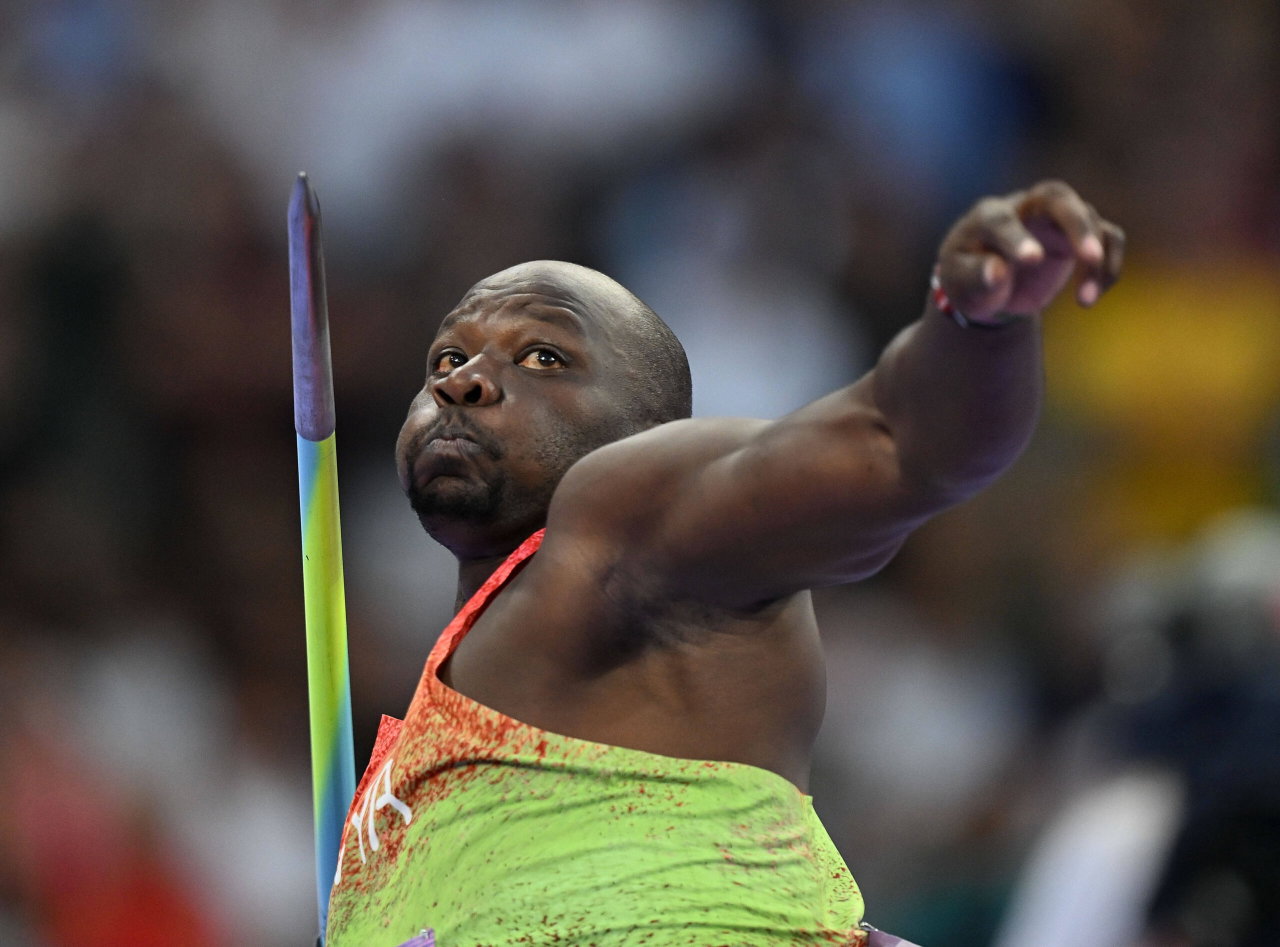
Kenya, as a nation, came close to being banned from international athletics in 2022 following a growing number of doping violations. However, the country avoided that fate. But four years later, the problem persists, with more than 34 Kenyan athletes reportedly provisionally suspended for doping-related offences, according to a September report. Also, the recent provisional suspension of Peres Jepchirchir has further raised concerns about Kenya’s reputation on the international stage. This has prompted 2016 Olympic silver medallist Julius Yego to speak out about the damage repeated doping cases are causing to Kenyan athletics.
Watch What’s Trending Now!
Taking to X on October 26, Yego shared an emotional message addressed to his fellow athletes, urging them to protect Kenya’s reputation and remember the champions who came before them. The Kenyan javelin thrower reflected on how his love for athletics began in 2004 when he watched the Athens Olympics. He recalled Kenya’s memorable medal sweep in the men’s 3,000m steeplechase, where Ezekiel Kemboi, Brimin Kipruto and Paul Kipsiele Koech finished first, second and third.
Yego said those performances inspired young Kenyans to dream of representing their country on the international stage. He believes the respect Kenyan athletes once enjoyed is now being threatened by repeated doping cases. “Our image is tainted, and the respect we had is diminishing each day over unending and ever rising cases of doping,” he wrote.
The Olympic silver medallist also expressed frustration over the way Kenyan athletes are treated on social media, where even legitimate victories can prompt suspicion. “Every win by any Kenyan athlete is ‘tagged ‘; you never know, maybe it’s another cheat winning. It is sad; it’s embarrassing.” His concern is that the actions of some athletes are affecting how the public views an entire nation of competitors, including those who train and compete cleanly.
Yego urged his fellow athletes to remember that they represent Kenya whenever they step onto the track, runway or field. He pointed to past champions, including Kipchoge Keino, who helped build the country’s reputation in athletics, and called on the current generation to protect that legacy. “Before you get to the start line, runway or that ring, remember one thing WE ARE KENYANS,” he wrote.
He also warned athletes not to overlook the young competitors who look up to them. According to Yego, established athletes have a responsibility to set the right example and show younger generations that success can be achieved without breaking anti-doping rules. He called on them to train hard, compete fairly and protect the future of Kenyan athletics. “We must take our image back to where it was, train well and smart, compete clean and win clean,” Yego said.
Beyond the damage to Kenya’s international reputation, Yego highlighted the pain doping violations cause to athletes’ families, friends and supporters. He explained that people often invest their trust, time and money in athletes, celebrating their victories and standing by them during difficult periods. When an athlete receives a doping ban, those supporters can feel betrayed.
“When you get banned, they are hurt, they carry that burden too,” he wrote, adding that he had seen close friends and colleagues face sanctions. Despite his concerns, Yego believes Kenya can rebuild its reputation if athletes commit to clean competition. He stressed that anti-doping rules are not intended simply to punish athletes, but also to protect those who follow the rules and compete fairly. He also urged athletes to consider the legacy they will leave behind for the next generation.
Yego ended his message with a direct appeal to his fellow competitors, reminding them that their actions today will influence how future Kenyan athletes are treated. “STAY TRUE TO THE RULES AND REGULATIONS OF THE SPORT: RUN CLEAN WIN CLEAN,” he wrote. His warning comes as several high-profile Kenyan athletes have faced doping suspensions and bans, renewing concerns about the country’s reputation in international competition.
Kenyan Athletics faces fresh scrutiny as doping cases mount despite $25 million pledge
Kenya’s reputation in athletics has come under growing pressure as several high-profile athletes have faced doping suspensions and bans. Peres Jepchirchir, the Olympic marathon champion, was provisionally suspended in October 2026 after a sample collected before her Sydney Marathon victory reportedly tested positive for EPO. While her case remains pending and the provisional suspension does not establish guilt, the news has sparked strong reactions within the running community.
British runner Rory Linkletter wrote, “This should be the nail in the coffin for Kenyan Athletics IMO,” while another runner called for lifetime bans, reflecting the growing frustration over repeated doping cases involving Kenyan athletes. The concerns extend beyond Jepchirchir’s case.
Ruth Chepngetich, the women’s marathon world-record holder, received a three-year ban in October 2025 after admitting an anti-doping violation involving hydrochlorothiazide. Meanwhile, former half-marathon world-record holder Kibiwott Kandie received a seven-year ban in June 2026 following two anti-doping violations, including refusing to provide a sample and a subsequent tampering charge.
These cases have added to concerns about Kenya’s sporting image, but the problem dates back several years. In November 2022, Kenya came close to facing a possible ban from international athletics as doping violations continued to mount. According to a BBC report published on November 30 that year, 55 Kenyan athletes were serving suspensions, while another eight were provisionally suspended pending the outcomes of their cases. World Athletics president Sebastian Coe warned that the situation was unsustainable.
In response, the Kenyan government pledged an additional $5 million annually for five years, bringing its commitment to $25 million, to strengthen anti-doping testing, investigations and athlete education. But still, the scale of the issue remains concerning, with more than 140 Kenyan athletes reportedly suspended or banned for doping violations since 2017.
The enforcement effort has involved the Athletics Integrity Unit and the Anti-Doping Agency of Kenya. Although Kenya has not been banned from international athletics, repeated cases continue to put its reputation under pressure. The challenge now is to restore public trust while ensuring that clean Kenyan athletes are not judged by the actions of those who break the rules.