
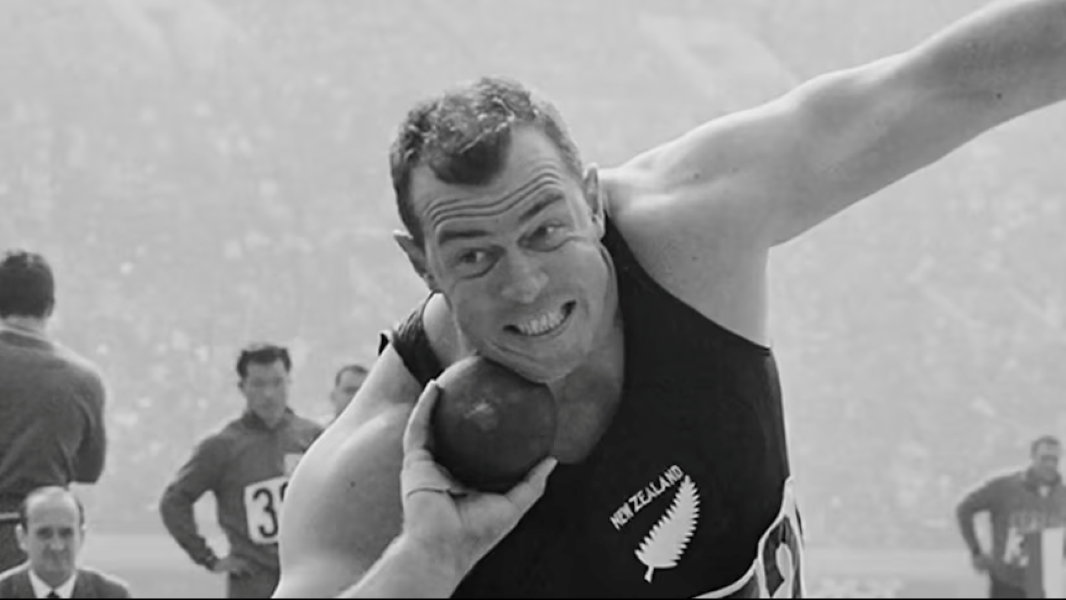
Les Mills embraced sports when his father, who owned butcher shops in Auckland, New Zealand, passed away when he was a teenager. What started as a small step led him to become a four-time Olympian representing his nation in shot putt and discus. However, that wouldn’t be the end of his legacy as Mills laid down the roots of a fitness brand that has grown to be valued at $640 million (estimated). Unfortunately, on June 29, his son Phillip Mills announced that his father and former Mayor of Auckland had passed away at 91.
Watch What’s Trending Now!
The Olympian’s son shared a statement after his passing at 3:30 am on Monday, saying, “Dad was immensely strong, driven and always cared deeply for the less advantaged. He left a lasting impression on everyone he met, and his spirit lives on in gym workouts around the world, continuing to help people fall in love with fitness.”
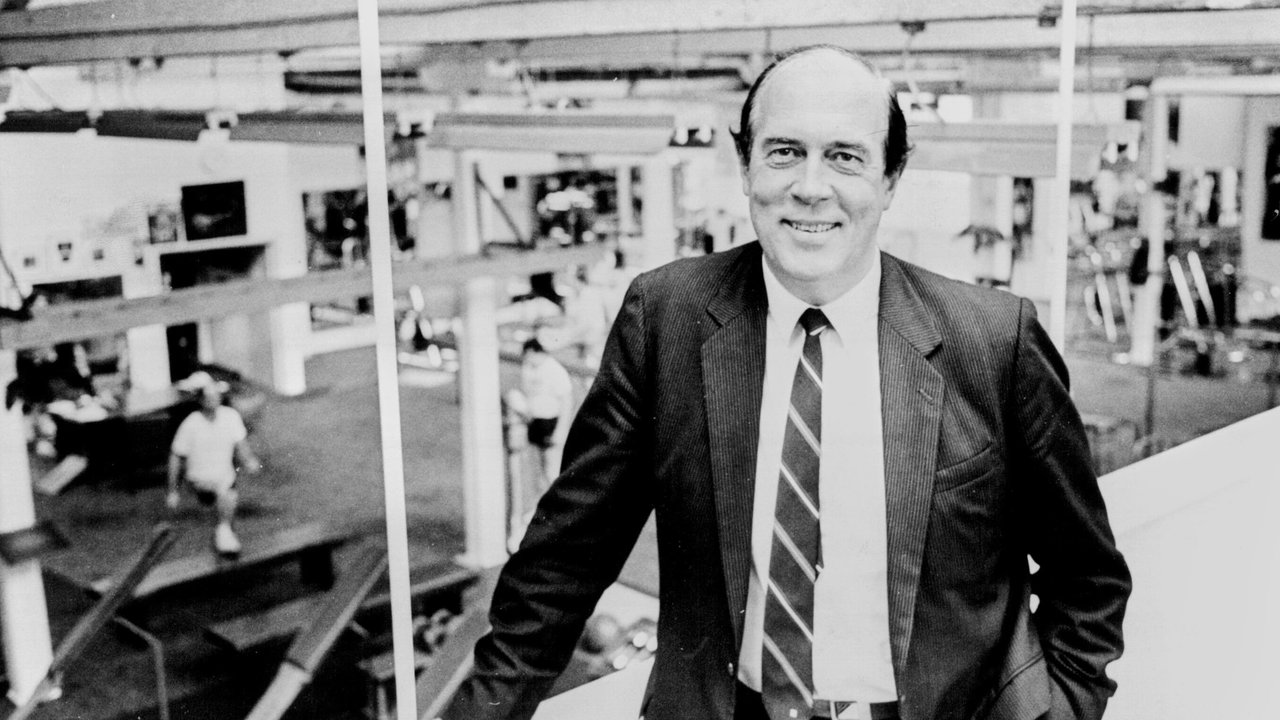
Les Mills represented New Zealand in the 1956 Melbourne, 1960 Rome, 1964 Tokyo, and 1968 Mexico City Olympics. Alongside that, he built a strong record at the Commonwealth Games, winning five medals, including gold in discus in 1966. He even became a 25-time national champion, and before retiring in 1972, opened a small gym in Auckland with his wife Colleen. That gym later became a nationwide chain, and his son Phillip turned it into a global fitness brand using his father’s name: Les Mills International.
Imago
Credits:X@
Action News 5
@WMCActionNews5
As per Prospero’s estimation, the company is valued at $640 million and earns an average revenue of around $200 million as of the time of writing. However, the Olympian himself became more of a coach and trainer after retirement rather than solely focusing on growing his fitness empire.
He coached New Zealand athletes, including Beatrice Faumuina, who went on to become world champion in discus in 1997. From 1990 to 1998, he served as Mayor of Auckland City. He was awarded a Member of the Order of the British Empire in 1973 and later a Companion of the New Zealand Order of Merit in 2002.
After his passing, the New Zealand Olympic Committee’s chief executive Nicki Nicol released a statement saying, “Les Mills set a standard for what it takes to represent New Zealand at the Olympic and Commonwealth Games. His place in New Zealand’s Olympic history is firmly established and no doubt his legacy will continue to inspire.”
The struggles that shaped Les Mills’ journey
Even as a young athlete, Les Mills carried the label of a “sickly child.” That changed when a small moment at age 11 pulled him into sport. A simple school trial race showed his speed, and suddenly he found himself noticed by a local athletics club. From there, his athletic journey started.
By 17, he was already making noise in New Zealand athletics, setting junior records in discus and shot put. He was also good enough in sprinting to clock 21.6 for the 220 yards and even helped break the national 4x100m relay record in 1957 alongside his teammates. In 1955, he won the shot putt and discus double at the New Zealand Championships, setting his sights on Melbourne 1956.
That dream took a hit when he suffered a scaphoid fracture in his wrist from rugby league, just over a year before the Games. And then he moved to the United States in 1962 to learn and train at a higher level. But even that step came with problems. Early injuries in the US left him with torn tendons in his hand, and he arrived at the Perth Commonwealth Games underprepared. He competed but was not at his best, finishing outside medal positions in both discus and shot put.
One of the most heartbreaking moments of his career came at the 1966 Commonwealth Games in Kingston, Jamaica. In the discus final, he threw 56.18m and moved into the lead, but then tore his adductor muscle mid-competition and collapsed. Instead of stepping away, he chose to continue despite the pain. That decision worked in his favour as no one surpassed his mark, and he held on to win gold by just 24cm.
Even after his sporting peak, challenges did not stop. When he opened his gym, Les Mills International, it was a small local setup with slow early growth. The real struggle came later. In the late 1980s and early 1990s, the business faced heavy debt, economic recession in New Zealand, and constant pressure after expansion. For around six years, the focus was on survival, with restructuring, selling assets, and trying to keep the company stable.
That wasn’t the end of the business. It gradually started to recover and then grew when Phillip Mills helped shape it into Les Mills International. From a kid who struggled for stability, to an athlete who missed and missed and missed chances, to a businessman who almost lost his business again and again, he never changed his way of life.