
With the LA28 Olympics approaching, the United States Olympic & Paralympic Committee is looking beyond the Games and thinking about the future of American sports. Preparing athletes for the Olympics requires years of investment. Yet funding these programmes is not always easy, particularly for sports that do not attract major sponsorships. For years, the USOPC has relied on corporate partnerships, licensing agreements, donations and other commercial revenue to support its operations. Now, as it prepares for another Olympic cycle, the organization is considering a different way to secure money.
Watch What’s Trending Now!
According to a report by Sky News on November 3, the USOPC is exploring a potential billion-dollar deal that could see private investors acquire a stake in Team USA’s commercial business. The committee has reportedly held discussions with several potential investors, while investment bank The Raine Group is advising on the proposed transaction. The commercial rights could be valued at several billion dollars, although no official valuation has been announced.
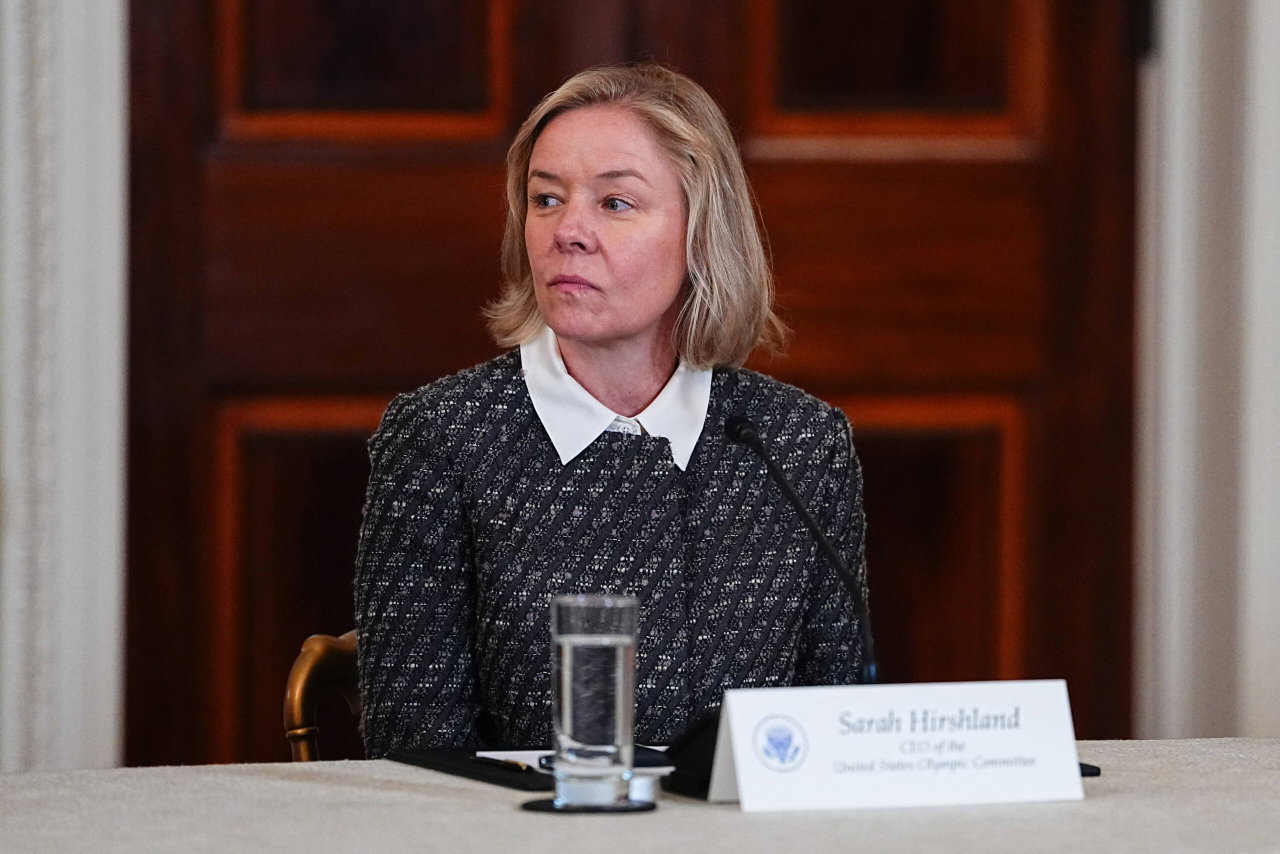
The discussions are not limited to selling an ownership stake, as raising debt is also among the options being considered. Led by CEO Sarah Hirshland, the USOPC has also consulted national governing bodies on how a possible agreement could be structured.
In an interview with Sportico on November 3, Hirshland revealed that discussions about the new commercial venture date back to 2024. The committee has been examining its long-term business strategy as it prepares for the end of its existing commercial partnership with the LA28 organizing committee. That arrangement operates through United States Olympic and Paralympic Properties, which manages commercial activities connected to Team USA and the Los Angeles Games.
With the partnership expected to end after the 2028 Olympics, the USOPC has been looking at how to manage its commercial rights in the years that follow. Hirshland also told Reuters that the organization had been preparing for this transition for more than two years.
“This is a natural transition point and is one we’ve been talking about and preparing for for more than a couple of years,” Hirshland said. The timing is also important because the USOPC wants its next commercial arrangement to be ready for the period beginning in 2029.
The plan also looks beyond the 2028 Games, with the United States preparing to host the 2034 Winter Olympics in Salt Lake City, Utah. “We’re obviously very focused on how do we create a sort of sustainable and consistent commercial strength that will both incorporate potential host cities, in this case obviously Utah 34, but also a structure that would allow for future host organizations,” Hirshland told Reuters.
The proposed venture is called United States Olympic and Paralympic Ventures. The idea is to bring together its existing commercial assets under a structure that could attract outside investment and create new sources of revenue. For investors, the opportunity would not involve purchasing Team USA itself or taking control of American Olympic teams.
Instead, they could acquire an ownership interest in the proposed commercial venture, which would manage business activities associated with the Team USA brand. However, the exact ownership structure, the percentage that could be sold and the identity of potential investors have not been disclosed.
Hirshland has indicated that the USOPC is considering a range of potential financial partners rather than limiting its search to one type of investor. When Sportico asked whether the committee was open to private equity firms, institutional investors or sovereign wealth funds, she said, “Our responsibility is to look at all of our options, and I would say we are doing that.”
However, the final decision will depend on the terms of the deal and which financial structure the organization believes will best serve its long-term plans. But what kind of financial backing is the USOPC looking for, and why does it need outside investment in the first place?
The financial challenges behind Team USA’s proposed investment deal
The need for a more consistent source of income becomes clearer when looking at the USOPC’s finances. According to Sportico, Team USA generated $264 million in revenue in 2025, compared with $496 million in 2024, when the Paris Summer Olympics took place. The difference highlights how much commercial revenue can fluctuate between Olympic years.
Sure, sponsorships and other business activities often receive greater attention during the Games, but the costs of preparing athletes continue throughout the four-year cycle. The USOPC also invested nearly $180 million in athlete excellence programs last year, according to figures cited by Sky News. The organization has also received strong philanthropic support, with the U.S. Olympic & Paralympic Foundation raising more than $254 million and welcoming over 11,000 first-time donors.
Unlike many national Olympic committees around the world, the USOPC does not receive federal government funding for its operations. They depend on private sources of income, including sponsorships, licensing, donations, and commercial partnerships. This money supports athletes as well as the national governing bodies responsible for individual sports. Organizations such as USA Wrestling, USA Swimming, USA Gymnastics and USA Track & Field need funding for coaching, training, competitions and athlete development.
While popular sports often attract major corporate partners, smaller Olympic disciplines can find it harder to secure the same level of financial backing. A new commercial venture could help the USOPC generate additional resources and provide more consistent support across the American Olympic and Paralympic system.
This is also where the proposed investment could have a direct impact on athletes. If the venture generates more revenue, the USOPC could have greater resources to support training programs, coaching, sports science, medical services and competition preparation. The committee is also interested in building stronger connections with fans outside the Olympic period, rather than relying on the attention that comes every four years.
Speaking to Sportico, Hirshland discussed the importance of developing a direct-to-consumer business and learning more about the people who follow Team USA. “Sports entities are all focused on building their direct-to-consumer value proposition,” she said. “How do we build our fan base, know who our fans are and customize offerings for those fans? How do we drive content and engagement both within our competition environment but also outside and beyond our competition environment?”
“This is about growing the overall revenue pie for the constituencies that we serve,” she said. Still, private investment also raises questions about how the business would be managed and how the benefits would be distributed. Investors generally expect a financial return, which could create pressure to focus on the most commercially successful sports and partnerships.
The committee has already addressed some of those concerns, saying that its core mission and governance would remain protected under any potential arrangement. In a statement provided to Sky News, a USOPC spokesperson said, “Any path forward will preserve the USOPC’s mission, governance, leadership and commitment to Team USA athletes.” The committee has also said it has been consulting athlete representatives and national governing bodies as it considers different commercial models.
For now, the USOPC’s proposed billion-dollar deal remains under discussion.