
College sports have changed in the years since athletes gained greater freedom to profit from their name, image, and likeness. The transfer portal has also made it easier for athletes to change schools, while conferences and universities have been dealing with rising costs, new revenue-sharing demands, and growing pressure to keep up with the biggest programs. That has left the NCAA facing a college sports system that looks very different from the one it had just a few years ago. Now, another major change could be on the way.
Watch What’s Trending Now!
The U.S. Senate passed the Protect College Sports Act by a 77-22 vote on September 28, sending the bill to the House of Representatives. The bill, if passed, would establish a federal system of NIL, transfers, eligibility, athlete compensation, and other aspects of college athletics, as well as offer new protections for women’s and Olympic sports.
The most significant change would be in the national transfer of athletes. The bill would allow a college athlete one transfer without losing eligibility, and a second transfer would mean ineligibility for one year. The bill also provides exceptions in specific situations, such as a sport that is eliminated or s**ual assault/harassment.
Athletes can no longer move freely between programs; they must weigh the cost of a second transfer. The proposed rules are a part of a broader effort in the bill to set national standards for transfers and eligibility. Another key aspect of the legislation is NIL. The bill would create a federally guaranteed right for college athletes to receive compensation for their NIL, instead of the patchwork of state laws in place. It would also introduce additional rules around NIL deals and recruiting.
Under the proposed system, NIL agreements above $600 would have to be disclosed, while agent fees would be capped at 5%. The bill also includes rules intended to distinguish legitimate NIL arrangements from compensation that could be used as a recruiting inducement.
The bill would also cover the revenue sharing issue. Schools would be regulated by a new federal regime for the money they earn from the sports of their students (from media rights, ticket sales, and sponsorships, among other things). The Senate version also provides for a retention fund which could expand as schools spend money on NIL opportunities for women’s and Olympic sports.
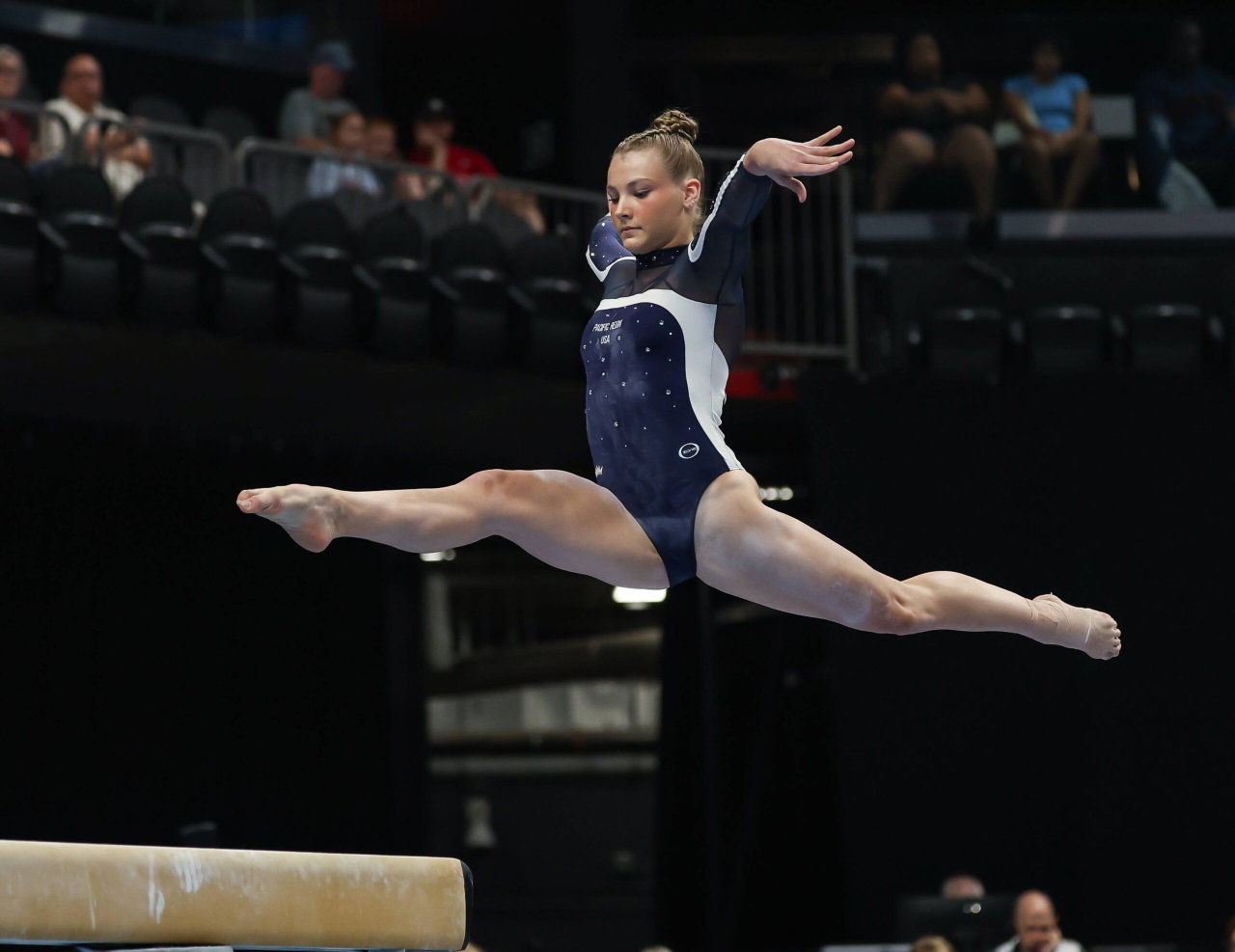
One of the most awaited sections of the legislation involves sports that don’t make as much money as football and men’s basketball. The bill would mandate a minimum number of roster spaces and scholarships for women’s and Olympic sports and would support programs like track and field, wrestling, swimming, and gymnastics. Interestingly, the bill also contains protections for college athletes beyond NIL and transfers.
Bill adds new protections for athlete health and scholarships
Under the new law, Division I schools would be required to cover certain out-of-pocket medical costs related to athletic injuries or illness for current athletes and for five years after their eligibility ends. Scholarships would also be given extra protection, with the bill adding athletic eligibility protection for an additional 10 years after the athlete leaves school and barring schools from revoking scholarships due to an injury or poor athletic performance.
Athletes would also have a private right of action for some of the protections contained in the legislation, such as the NIL rights, scholarship protections, medical coverage, health and safety, and athlete agent protections. The legislation also seeks to give the NCAA and other college sports organizations more legal protection when enforcing national rules.
Still, the Senate vote does not mean the changes are already in effect. The Protect College Sports Act now moves to the House, where its future remains uncertain. The House is in recess until after the November elections, and any changes made there could require another Senate vote before the bill could reach the president. For now, college athletes remain under the existing rules.