
The door to Los Angeles is slowly opening for Russian athletes. But with that comes an old question: can the sport trust Russia again? WADA insists it will not repeat the mistakes that led to Russia’s four‑year ban after Sochi. After the IOC provisionally lifted the Russian Olympic Committee’s suspension in July, the possibility of hundreds of Russian athletes competing at the 2028 Olympics suddenly became real. The decision marked a significant shift from Paris 2024 and Milano Cortina 2026, where only 28 vetted Russian athletes (15 in Paris, 13 in Milano Cortina) were allowed to compete.
Watch What’s Trending Now!
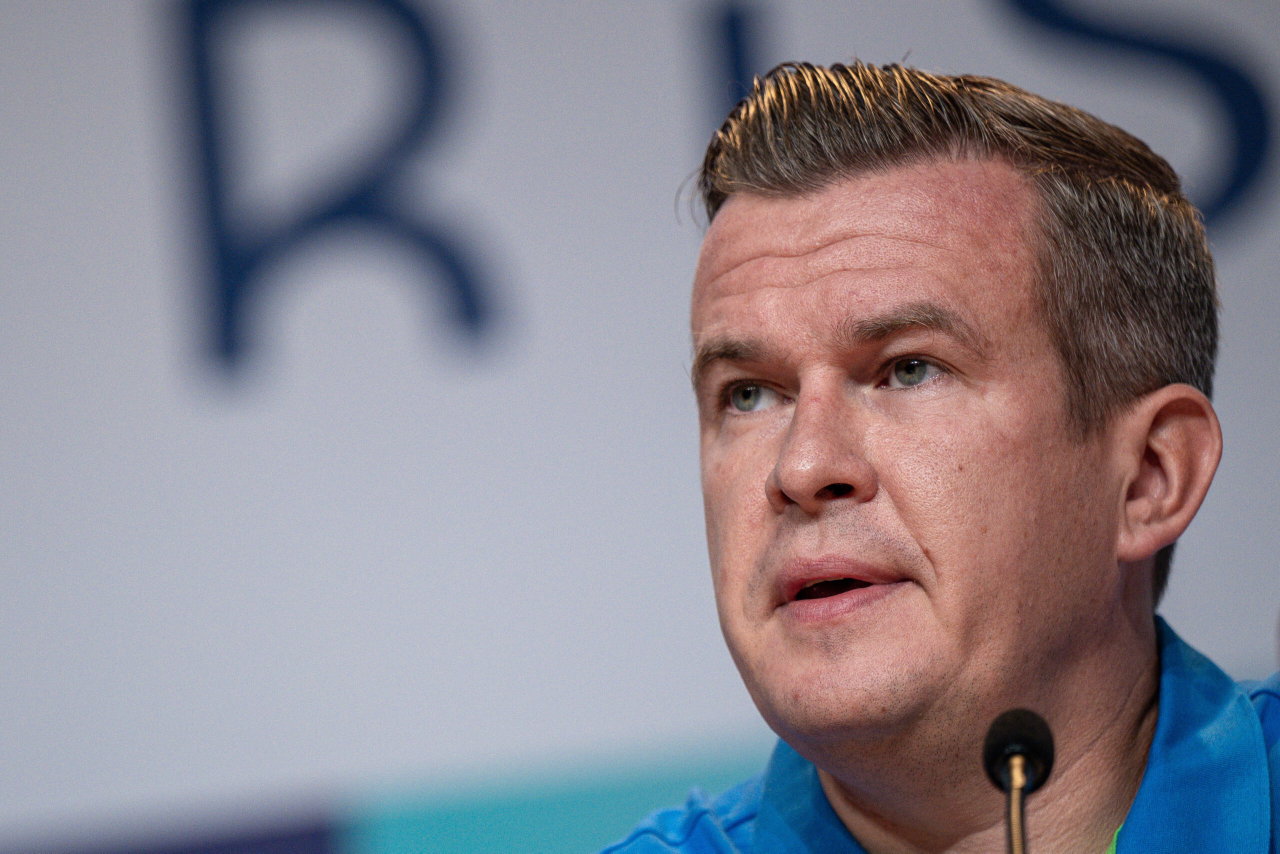
Now, WADA is making it clear that a return to the Olympic stage will not mean a return to relaxed scrutiny. “We’re not naive,” WADA director-general Olivier Niggli told AFP from the agency’s headquarters in Montreal.
Niggli promised that the global anti-doping watchdog would “be vigilant” as Russian athletes work toward Los Angeles, particularly because athletes from other nations will want reassurance that the competition remains clean. This vigilance is WADA’s way of showing it will not repeat the controversy that led to Russia’s four‑year ban.
The concern is rooted in a scandal that still casts a long shadow over Russian sport. Years before Russia invaded Ukraine in 2022, WADA uncovered what it described as a massive state-backed doping operation surrounding the 2014 Winter Olympics in Sochi. In 2019, WADA banned Russia from major international sporting events for four years.
That scandal eventually resulted in Russian athletes being barred from competing under their national flag, anthem and other symbols at subsequent Olympic Games. Russia’s anti-doping system has remained under intense scrutiny ever since.
The circumstances surrounding LA 2028 are different, but WADA is not willing to take chances.
One major obstacle remains inside Russia itself. There is still no accredited anti-doping laboratory operating in the country, meaning samples from Russian Olympic hopefuls will have to be analyzed abroad.
“They can no longer do their internal cooking the way they did in Sochi. At the moment, that’s not possible,” Niggli said.
WADA president Witold Banka also pointed to the continuing non-compliance of the Russian Anti-Doping Agency, or RUSADA. According to Banka, an in-person audit in Moscow would be required to assess compliance, something that remains impossible because of the ongoing war.
Instead, the IOC has asked for Russian athletes likely to qualify for Los Angeles to undergo multiple tests. For WADA, that additional scrutiny could be crucial in rebuilding confidence among competitors.
Banka also wants to take the lesson further than Russia. WADA is pushing for a testing model in which national anti-doping agencies would have less involvement during major competitions, with independent bodies taking greater responsibility.
The proposal comes after another major controversy damaged relations between WADA and the United States Anti-Doping Agency. In 2024, it emerged that 23 Chinese swimmers had tested positive for a banned substance but were not sanctioned, prompting USADA to question WADA’s handling of the case. WADA denied allegations of improper Chinese influence.
Despite those tensions, Banka insisted that Los Angeles would not be affected. “There is no room for politics and politicization of anti-doping,” he said.
While WADA prepares for the possibility of a larger Russian presence in Los Angeles, the IOC’s decision has already exposed a divide across international sport.
The IOC changed its position in July, with president Kirsty Coventry arguing that athletes should not necessarily be punished for the actions of their governments.
“We wanted to ensure all athletes have the possibility to compete at the Olympic Games and not be responsible for their government’s actions,” Coventry said.
But that approach has not convinced every international federation. Another recent development highlights this divide.
Biathlon Upholds Its Ban on Russian and Belarusian Athletes
The International Biathlon Union has chosen to keep its own suspension of Russian and Belarusian athletes in place, despite the IOC’s change in position.
On August 18, Sergei Averianov, head of the Russian Biathlon Union’s press service, said the IBU had declined a request to place the issue on the agenda of its September 17 congress in Germany.
According to Averianov, Russia wanted the federation to consider both the return of its athletes and the restoration of the Russian Biathlon Union’s membership. “However, just as two years ago, there are no plans to discuss these matters at the Congress,” he wrote.
He said the IBU believes the circumstances that led to the suspension in 2022 “have still not been resolved,” meaning the federation has no plans to reconsider its decision.
Russia is also challenging the suspension through the Court of Arbitration for Sport.
The IBU’s stance leaves biathlon increasingly isolated from several other sports that have moved toward allowing Russian and Belarusian athletes back into international competition following the IOC’s July decision.
For WADA, meanwhile, the message ahead of Los Angeles is straightforward. Russia may be moving closer to the Olympic stage again, but the anti-doping watchdog intends to make sure the lessons of Sochi are not forgotten.