
Imago
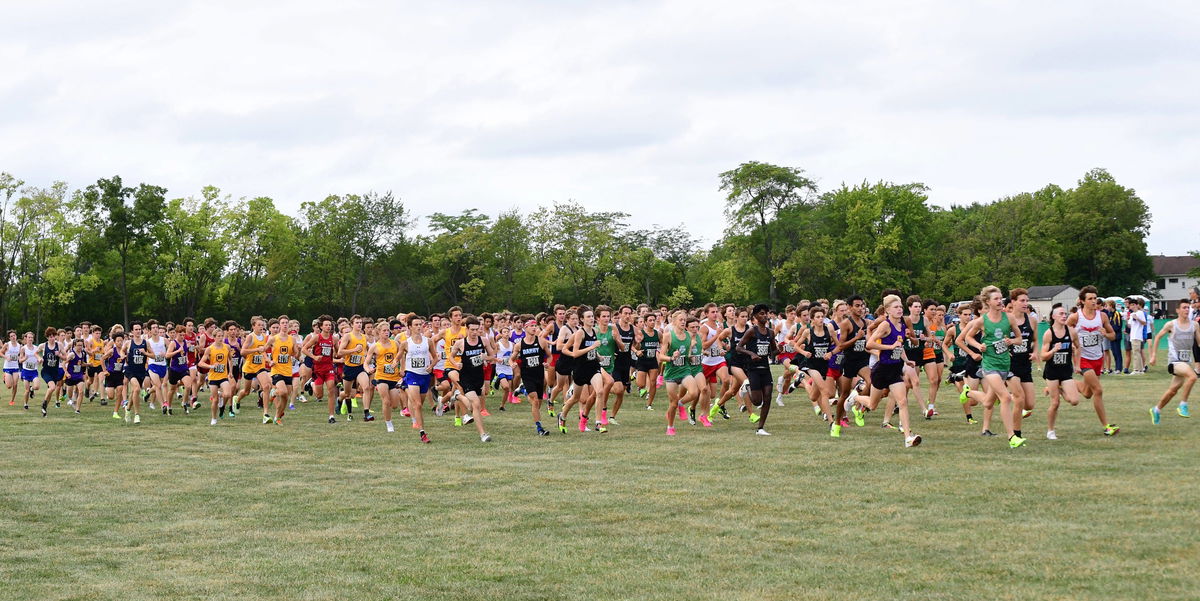
Syndication: The Enquirer Gentlemen are off and running in the boys varsity I race at the Mason Cross Country Invitational, Sept. 9, 2023. , EDITORIAL USE ONLY PUBLICATIONxINxGERxSUIxAUTxONLY Copyright: xGeoffxBlankenshipxforxThexEnquirerx 21385202
Imago
Syndication: The Enquirer Gentlemen are off and running in the boys varsity I race at the Mason Cross Country Invitational, Sept. 9, 2023. , EDITORIAL USE ONLY PUBLICATIONxINxGERxSUIxAUTxONLY Copyright: xGeoffxBlankenshipxforxThexEnquirerx 21385202
Essentials Inside The Story
- The NCAA is caught up in a whirlwind debate between chasing excellence and the rise of non-American athletes in those winning rosters.
- While the debaters are split into two factions, a former Olympian has voiced out his own opinion.
- The Olympian's perspective offers a peak into shifting narratives of what is considered to be fair and unfair.
The NCAA is experiencing a significant increase in international athletes on its rosters. And that has divided the NCAA world into two factions: one that believes this surge is squeezing out American talent, and another that supports the NCAA’s expansion. Amidst the ongoing debate, a former Olympian, Fitz Dunkley, decided to highlight the double standard of this mess.
Watch What’s Trending Now!
Taking to X, in response to a now-deleted post, Dunkley left a series of threads to make his stance clear. The 2016 Olympic silver medalist called out a contradiction that the sport has quietly normalized. He pointed out that the NCAA cross country has made older athletes (both American and foreign) eligible. And that’s thanks to the COVID “bonus year”, updated amateurism rules, and a flexibility in enrollment gap.
For the Americans, there’s a relaxation for LDS athletes coming back from missions. Meanwhile, for international athletes, there’s a significant gap in the schooling timelines, making them comparatively older while applying to universities. And of course, everyone gets a COVID bonus. Yet, there’s a problem in the people’s perception.
ADVERTISEMENT
‘Rori Dunk’ wrote, “The same rule that’s called “inspiring” for Americans becomes “unfair” when an international athlete benefits from it. When an older American is in the field, the narrative becomes: “Resilient.” “Comeback story.” “Betting on themselves.” “Using their extra year wisely.””
He continued, “When the athlete is international, especially from Africa, the Caribbean, or Latin America, the tone changes immediately: “Too old.” “Gaming the system.” “Taking scholarships.” “Not fair to American kids.” It’s the exact same eligibility. The exact same rulebook. The only thing different is who is using it.”
For many athletes, this created new opportunities:
Americans returning from military service
LDS athletes coming back from missions
Late development runners
International students whose schooling timelines don’t match the U.S. system
EVERYONE with the COVID “bonus year”
— RoriDunk (@FitzDunk) December 1, 2025
ADVERTISEMENT
The former Jamaican athlete clarified that the problem isn’t really about the athlete’s age or NCAA fairness. The issue certainly lies in how race, nationality, and old prejudices shape the community’s perception.
Let’s get this straight. Beyond perception, several structural shifts have contributed to the rise in international athletes. First, the NCAA removed its SAT/ACT requirement during the pandemic — a decision that became permanent in 2023 — making academic qualification far easier for overseas students. Due to the abolishment of these stringent exams, foreign talent has found its way into the NCAA in huge numbers because universities are seeking out talent for bolstering their own athletics programs.
ADVERTISEMENT
Second, scholarships now cover the full cost of attendance, including housing and living expenses, making US colleges more financially accessible. And with roster-size limitations tightening, many coaches prefer older, more developed international recruits who can contribute immediately.
Less than a week ago, this debate deepened when Theodore Wold, former assistant to Donald Trump, weighed in with his own two cents. He questioned the demographic composition of the winning team of the recently concluded 2025 NCAA Division 1 Cross Country Championships. Oklahoma State took home the men’s team title with four runners finishing in the top 12.
“Of Oklahoma State’s four top finishers: two are from Kenya, one is from Morocco, and one is from Ethiopia.” He further asserted that “of the top ten finishers overall, only three are Americans, and over half are from Africa.”
ADVERTISEMENT
All of these factors have made NCAA programs more accessible for foreign athletes than ever before. But not everyone agrees with this shift.
NCAA coaches have clashing opinions on the ongoing debate
Recently, Deseret News had a conversation with Ed Eyestone, the head coach of the BYU men’s team. And he was not happy with the rise of international athletes on the NCAA rosters. According to him, this surge has a discouraging effect on the American athletes. The reason? Older, international students take scholarships, roster spots, and the limelight. Not to mention the NIL (Name, image and likeness) deals that are a part and parcel of NCAA fame.
ADVERTISEMENT
“If you make a stink about it, someone will say you’re racist, but I’d take a Kenyan [recruit] if he was born in the U.S. Actually, we’re currently recruiting one. Some coaches have decided to take a shortcut by taking foreign talent. Many [athletes] are older and developed. I always felt I’d be embarrassed to have seven foreigners on the team. The NCAA is definitely the way we develop talent in this country.”
Meanwhile, Oklahoma’s coach, Dave Smith, had a different viewpoint. He looked at his athletes as equals. His athletes are his teammates, and it bothered him when people called some of his athletes foreign and others American. Smith believed it’s certainly a societal problem to divide the athletic community into smaller pieces and pit them against each other.
Top Stories
NFL Makes Punishment Decision on Jordan Love Incident After Wild Card Loss to the Bears

Emotional Josh Allen Airs Refs’ Dirty Laundry as Bills’ Sean McDermott Erupts After Broncos Loss

CBS Makes Final Decision on Firing Tony Romo as Cowboys Legend Announces Health Struggles – Report

Sean Payton Confirms Bo Nix’s Season Is Over, Announces Immediate Update on Broncos QB’s Horrific Injury

Kyle Shanahan Doesn’t Hold Back to Blame Locker Room & Puts 49ers on Notice in Somb Message

Prayers Pour In After Former LSU Star Makes Tragic Family Announcement

The debate over international athletes in the NCAA isn’t going away anytime soon. But as Fitz Dunkley highlighted, the issue extends beyond rules and eligibility. It forces the sport to confront deeper biases.
ADVERTISEMENT
But what do you make of it? We’d love to hear your opinion in the comments down below.
ADVERTISEMENT
ADVERTISEMENT
ADVERTISEMENT
