
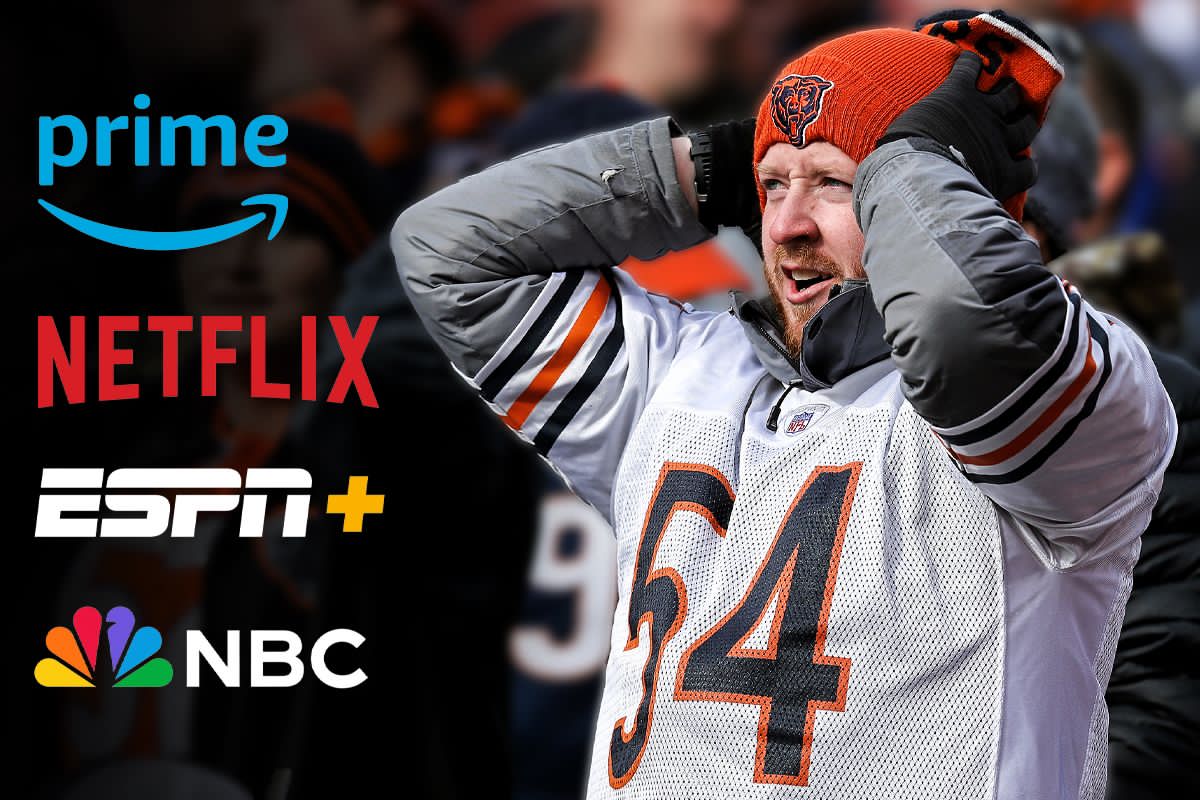
Back in the 1990s, fans had a fair deal. Fast forward to today, and that deal was deliberately broken. Watching your favorite sports was just about one TV, one cable bill, and fans used to get everything in a single click of a remote. That convenience has now been replaced by apps and subscriptions, which were supposed to be ‘convenient.’ But nobody really asked loyal fans if that trade-off was okay with them.
Watch What’s Trending Now!
Sure, for the younger generation, it’s no big deal, but for older fans who grew up in the cable era, watching sports feels like a chore.
The cable era had it right
A household bought cable TV once, and everything came along with that single box. One payment covered almost all sports channels, which created a sense of comfort. You didn’t need to think about it. That was the whole point.
But now, in 2026, the meaning of “convenience” has changed. It has turned into a process that includes various steps, like finding the correct app or streaming platform, and remembering login IDs and passwords. Then, after all this, when you finally get to your game, suddenly the excitement turns into frustration.
Here enters the hustle older generations face with different platforms, whereas the younger generation finds it a go-to work mode. Younger audiences adapt quickly, but for fans who built their entire sports routine around a single cable box, this new normal is exhausting.
According to the Pew Research Center, streaming has become extremely common across all age groups. About 83% of adults in the U.S. now use streaming services in some form. At the same time, only around 36% of adults still have traditional cable or satellite TV at home. However, older adults behave differently from younger ones.
People aged 65 and above still rely much more on cable, with around 64% continuing to use it, showing they have not fully moved away from the old system.
Just to see if that’s accurate, we ran a poll on our ES Daily Newsletter asking fans, “Do you think streaming platforms are stealing the essence of the sport?” To which one anonymous user perfectly described the now vs. then situation.
“Just look how it was 20 years ago compared to what it is now. This isn’t your grandparents’ sports anymore. Ticket prices, merchandise. Even professional wrestling has lost its mind. Sponsors pay astronomical millions just to have their name on a stadium, arena, or sporting event. Just ridiculous. It also plays into the outcome of sports betting. Until the fans actually boycott as players and owners do, this is gonna continue to be the new norm.”
That’s the opinion of a long-time sports fan watching the economics of sports shift in real time and knowing exactly who is losing.
Fans must pay thousands of dollars to watch their favorite sports and teams
The main reason for this gap is simplicity versus complexity. Now sports and entertainment are spread across many different platforms like Netflix, Amazon Prime Video, Hulu, Disney+, Peacock, Paramount+, Apple TV+, ESPN services, and even regional sports apps. The problem really comes down to this: sports used to be simple. Now they’re complicated.
Leagues say they are trying to make games easier to watch by putting them on different platforms, but in reality, they are just robbing the fans. Every new platform name on that list is another bill, which many may realistically not be able to afford.
The NFL is not shown on just one TV channel or app anymore. Sunday games are split between CBS and FOX. These two channels show most of the afternoon games, depending on your location. Sunday Night Football is shown on NBC, and it is also available on Peacock as a streaming option.
Let’s just take last year’s example, where afternoon games like Buccaneers @ Falcons were on FOX, then late window games like Lions @ Packers were on CBS, and lastly Sunday Night Football (Ravens @ Bills) was on NBC. This might bring back Sunday nostalgia, but the combined cost was a significant financial burden. Imagine being priced out of watching the Bills’ incredible 22-point fourth-quarter comeback.
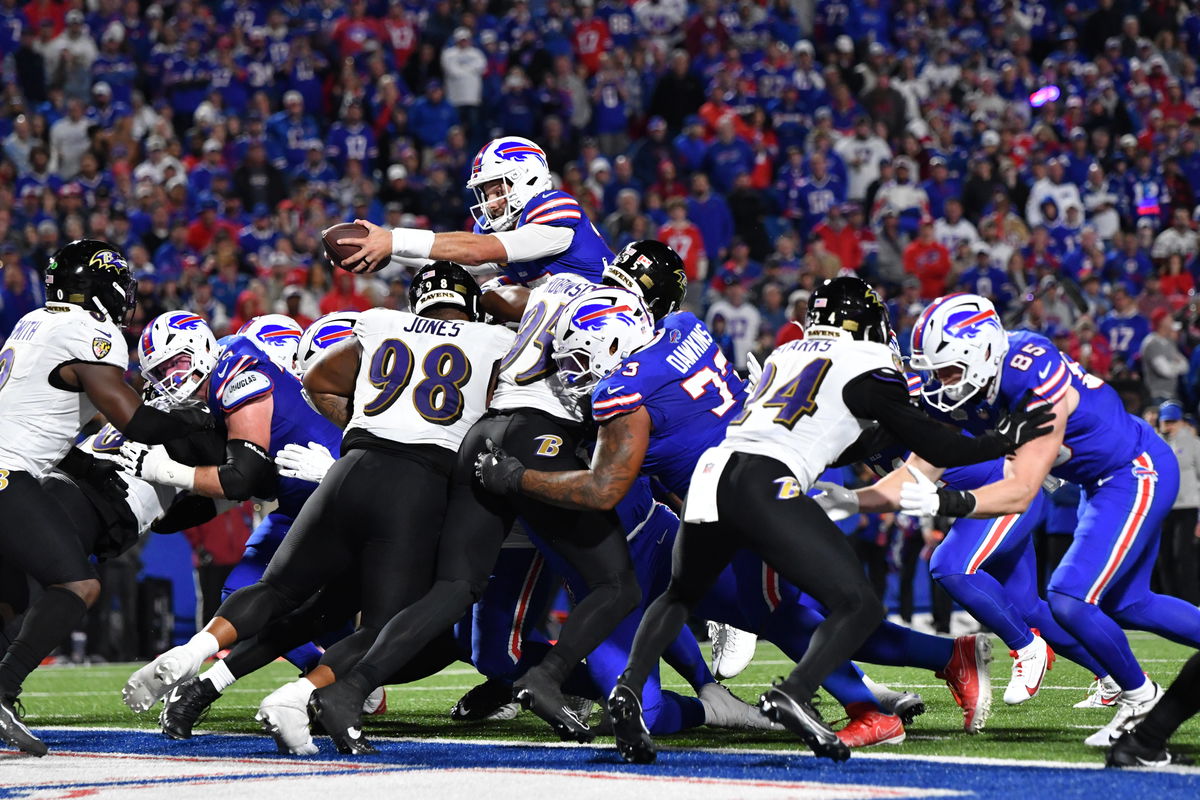
Imago
NFL, American Football Herren, USA Baltimore Ravens at Buffalo Bills Sep 7, 2025 Orchard Park, New York, USA Buffalo Bills quarterback Josh Allen 17 score a touchdown during the fourth quarter against the Baltimore Ravens at Highmark Stadium. Orchard Park Highmark Stadium New York USA, EDITORIAL USE ONLY PUBLICATIONxINxGERxSUIxAUTxONLY Copyright: xMarkxKoneznyx 20250907_ams_bk3_223
The games are the same. The price of watching them is not.
Monday Night Football is shown on ESPN and ABC together. Thursday Night Football is only on Amazon Prime Video, but that subscription doesn’t come close to covering the entire season. For example, last year, the Dolphins @ Bills game streamed only on Prime Video, but their Sunday afternoon games (including Bills @ Dolphins) were aired on CBS.
How the NFL broke the deal with special games
Special NFL games are also split. While Thanksgiving games are divided across FOX, CBS, and sometimes NBC, Christmas games are exclusive to Netflix (2025 saw Prime Video get a Christmas game as the festival fell on a Thursday). In 2021, the NFL made a huge decision that changed how fans watch football today. They signed a new media deal worth over $110 billion for 11 years (2023–2033) with different broadcasters and streaming companies.
That number tells you everything about who that deal was designed for. It wasn’t the fan sitting at home.
First, they gave Thursday Night Football only to Amazon Prime Video. So if you don’t have Prime, you simply can’t watch those games. Then, they gave more games to ESPN and ABC, so some important matchups moved there instead of regular Sunday TV. They also allowed NBC to put games on its streaming app, Peacock, not just on regular television. So now even games that used to be on TV are partly moving online.
In the last few seasons, the NFL hasn’t just put games on different platforms; it has started placing them on specific platforms.
Take Christmas 2024 as an example. Two of the major games, i.e., the Kansas City Chiefs vs. the Pittsburgh Steelers and Baltimore Ravens vs. the Houston Texans, were shown only on Netflix. That means even if you had cable or watched games regularly on TV, you still couldn’t watch these unless you had a Netflix subscription.
Last year, also on Christmas 2025, games like Dallas Cowboys vs. Washington Commanders and Detroit Lions vs. Minnesota Vikings were again on Netflix.
Decades of loyalty to the sport counted for nothing for the fans of these teams, as the absence of one subscription impacted their ability to watch the game.
Additionally, there is the NFL RedZone, an extra service that shows live scoring moments from every Sunday game. It is not free and costs around $42 per season as an add-on, or about $10 to $15 per month, depending on the service. Many fans add it to YouTube TV or NFL+ plans.
Sunday Ticket is another service on YouTube TV. It is used for out-of-market games, which means games not shown in your local CBS or FOX broadcast. So if you want to follow all teams, not just local ones, this becomes necessary.
YouTube TV costs about $83 per month. Amazon Prime Video costs around $9 to $15 per month. Netflix costs about $8 per month, and Peacock costs around $11 per month. On top of all this, NFL Sunday Ticket on YouTube costs around $250 to $480 per year. When you add all of these costs together, a fan easily crosses $1,000 just to watch every game in a season.
A thousand dollars. Per year. To watch a sport they already love, from a couch they already own.
NFL commissioner Roger Goodell often says the NFL is the “most accessible league” because its games are “everywhere.” On the surface, that sounds true, but in reality, “everywhere” does not mean “easy to afford.” He points out that about 87% of games are on free broadcast TV, but that idea is not as simple as it sounds.

Imago
Trump Announces DC Will Host the 2027 NFL Draft Roger Goodell, Commissioner, National Football League NFL listens to United States President Donald J Trump announce DC will host the 2027 NFL draft in the Oval Office of the White House in Washington, DC USA, 05 May 2025. The move comes after the Washington Commanders announced they planned to return to DC in a new stadium built on the site of Robert F Kennedy Stadium.. Credit: Jim LoScalzo / Pool via CNP/AdMedia Washington District of Columbia United States of America EDITORIAL USE ONLY PUBLICATIONxNOTxINxUKxAUS Copyright: xx JJL21646-5370474 CNP/AdMediax admphotostwo930275
To actually watch those “free” games, fans need a digital antenna with a strong signal, which many homes today don’t have, and even if they do, the package is not that cheap. So while the league talks about access, the real experience for fans is different.
The system is built in a way that helps the NFL earn more money, with revenues growing close to $20 billion, but at the same time, it puts more pressure on the average fan to spend more just to keep up.
WWE, NBA, MLB-Nobody is safe
The situation is the same for WWE. Monday Night Raw is now only on Netflix, which costs about $15.49 for HD viewing. NXT is shown on The CW. SmackDown is shown on USA Network. On top of this, the biggest WWE events are also separated. Premium Live Events like WrestleMania and the Royal Rumble are not included in normal subscriptions.
To watch them, fans need the ESPN subscription, which costs about $29.99 per month. When all of these costs are added together, the spending goes over $550 per year just to follow everything in full.
TNT and truTV also show many NBA games. They cover regular-season games and also some playoff games. These channels usually come through cable or live TV streaming bundles.
NBA TV shows extra games that are not always on the main channels, but Christmas Day remains exclusive on NBC/Peacock. Amazon Prime Video shows some exclusive NBA games. This includes selected national games, especially Thursday, Friday, and Saturday night games in newer deals.
In the 2026 NBA playoffs, even one series was split across different platforms. Lakers vs. Rockets Game 1 was on ABC, Game 2 moved to NBC, and Game 3 was only on Amazon Prime. So as a fan, you start watching normally on TV, switch channels for the next game, and then suddenly need a paid streaming app just to continue watching.
One playoff series. Three separate platforms. A fan who started watching Game 1 on regular television had to own two additional subscriptions just to finish watching the same matchup.

USA Today via Reuters
Feb 25, 2019; Memphis, TN, USA; Los Angeles Lakers forward LeBron James (23) reacts during the first half against the Memphis Grizzlies at FedExForum. Mandatory Credit: Justin Ford-USA TODAY Sports ORG XMIT: USATSI-385552 ORIG FILE ID: 20190225_pjc_fb1_031.JPG
The worst part is that even the playoffs are not in one place: some playoff games are on ESPN and ABC as national broadcasts. Other playoff games are on TNT and truTV, and by the time a fan has access to all of it, the pricing has climbed well beyond what most would consider reasonable. YouTube TV runs $72 to $83 per month, covering ESPN, ABC, TNT, and local sports channels.
The NBA League Pass costs about $15 to $30 per month. Amazon Prime Video costs about $9 to $15 per month for exclusive NBA games.
Peacock costs about $6 to $12 per month for select NBA content. RSN or local sports apps can cost another $20 to $30 per month, depending on the team and region. In total, a full NBA viewing setup can cost around $80 to $150 or more per month, depending on the kind of platforms you choose. Plus, if you include the league’s pass, it can go up to $1,000.
For MLB, the breakdown looks like this: FOX shows Saturday national games and also the playoffs. ESPN shows 30 regular-season games and the MLB Little League Classic. TBS shows Tuesday Night Baseball. Apple TV+ shows “Friday Night Baseball,” and these games are exclusive to Apple, so they cannot be watched anywhere else.
Apple TV+ stepped into live sports in 2022 by signing a deal with Major League Baseball worth about $85 million per year. As part of this, it got exclusive rights to show two games every Friday night under “Friday Night Baseball.”
Now imagine it’s a normal Friday and your team is playing, like the Yankees vs. Red Sox. You turn on your TV, expecting the game, but it’s not there. This actually happened in 2022 during Aaron Judge’s home run chase, when the Yankees vs. Red Sox game was only on Apple TV+.
Judge was at 60 homers for the season in that game, i.e., one behind Roger Maris’ AL record. Though he did not equal the record in that game, a portion of the Yankee nation couldn’t tune in to the Yankees’ 7-5 win over the Red Sox. Not because they didn’t care, but because they didn’t subscribe.
NBC and Peacock show Sunday Night Baseball, the Wild Card Round of the postseason, and the early morning Sunday Leadoff. MLB Network gives extra national coverage and analysis. Regional Sports Networks (RSNs) show local team games. There’s also MLB.TV, which is a streaming service that lets fans watch out-of-market games.
This year, even Netflix has joined MLB for the very first time, which will go from $8-$26.99. For other services, too, the pricing is as high as you can imagine. YouTube TV costs about $70 to $83 per month. Apple TV+ costs about $9 to $10 per month. Peacock costs about $6 to $12 per month, depending on the plan, and MLB.TV costs about $150 to $200 per season.
For the WNBA, the games are split across seven national broadcast streaming platforms for the first time in 11 years. The split goes like ABC / ESPN / ESPN2, where main national games are shown, then there’s CBS for selected national games, Amazon Prime Video for 30 total regular games, ION TV for weekly free-to-air games, and NBC / USA Network for coverage.
The amount follows the same as other leagues, like YouTube TV (for ESPN/ABC/CBS/ION channels) costs about $70–$83/month, Amazon Prime Video for $9–$15/month, and WNBA League Pass is about $35–$40 per season. This is the case with other sports, too.
Imagine if someone watches more than one sport, they can easily go beyond $2,000 per month. While that’s not ideal for fans, the leagues, meanwhile, have never been more profitable.
League revenue is going up fast, and top teams are earning loads. This also brings more money for leagues and broadcasters, but it’s exhausting fans who are their source of income. Most importantly, their dedicated ones who have been watching them for 4-5 decades.
The revenue going up and the fan experience going down are not separate stories. They are the same story told from two different sides of the deal.
Sports fans lament the changing broadcast/streaming landscape
Now, to hear directly from our fans, we ran a poll that asked our ES Daily Newsletter readers how many hours a week they watch sports. There were 12+ anonymous comments on how these subscriptions are killing their interest in watching sports completely.
Some sports didn’t just get harder to watch. They effectively disappeared.
“One thing has changed without a shadow of a doubt is that track and field has literally been destroyed by ESPN. Growing up ABC CBS the major networks would always cover track and field, but it has never in a money maker for ESPN, so we don’t see it.”
The sport is still running. The cameras just stopped showing up because the money wasn’t there.

Imago
Syndication: The Register Guard Sha Carri Richardson rests after the semifinals of the womens 200 meters during day four of the USATF Outdoor & Para National Championships at Hayward Field in Eugene on Aug. 3, 2025. Eugene , EDITORIAL USE ONLY PUBLICATIONxINxGERxSUIxAUTxONLY Copyright: xBenxLonergan/ThexRegister-Guardx USATSI_26769448
And for fans who grew up watching championship fights on regular television, the shift has felt less like progress and more like being quietly pushed out.
“Having to pay for access to many of the Series championship games, even boxing, has diminished the opportunity for the average person to see sports that we grew up with.”
It’s pretty clear from their reactions that even dedicated fans could not afford such high subscription prices. Just imagine being a 60-year-old trying to learn how to use these platforms and using all your life savings on just a few games.
YouTube highlights remain a way for fans to experience moments, but not live the games
On top of that, sports fandom in the United States is changing fast. According to the L.E.K. Consulting 2025 Sports Survey, the biggest change is not whether people like sports, but how they watch them. Younger fans are no longer spending most of their time watching full live games, while older fans still largely follow the traditional way.
The data shows a strong gap between age groups. Fans between 18 and 29 years old now spend only about 25% of their total sports viewing time watching live games. The rest of their time goes into highlights, short clips, social media content, and other quick forms of sports media. On the other hand, fans above 60 years old still spend around 60% of their sports viewing time on live games.
When the full game costs money, and the highlight is free, the highlight wins. That’s not a generational preference, but a pricing problem.
Let’s take a simple example: younger kids in the age bracket around 12-16 years who are still living with their parents can surely not afford this kind of subscription. YouTube highlights remain their only option.
Sports didn’t price out fans overnight. It happened one subscription, one exclusive deal, and one platform at a time.