
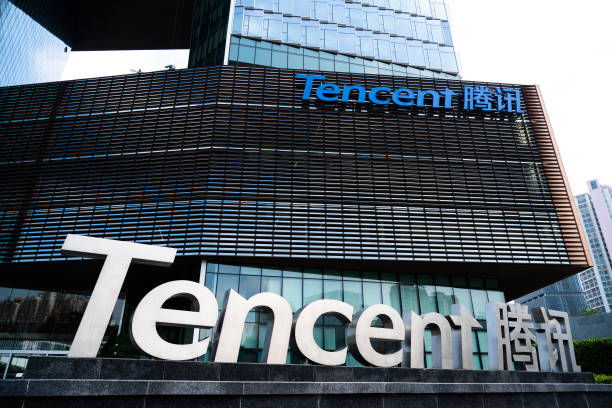
Founder of Tencent, Ma Huateng, lost upwards of $3.2 billion in one day after Chinese media heavily criticized the gaming industry. Tencent shares tumbled as much as 11% originally, closing at 6% lower.
Watch What’s Trending Now!
The piece, published in the investigation section of the Economic Information Daily, labeled video gaming as “electronic drugs” & “spiritual opium” as it singled out Tencent Holdings as the root cause of the problem. This is not the first time the company has come under fire in China for concerns relating to the health of the youth.
In a survey conducted by the newspaper, Tencent’s Honour of Killing topped the list of most popular games. The report also stated that 11.97% of the students play online games on a daily basis.
Additionally, taking a shot at the world’s largest video games operator, the article said, “No industry or sport should prosper by eradicating an entire generation,” quoting an academic.
Tencent: Investors & Sell – off
The story was deleted from the Xinhua agency’s website and its WeChat account. According to a regulatory source, it was done as the attack on the industry did not represent Beijing’s official stance.
Beijing came down hard on the online industries, triggering a global sell-off of shares that once surpassed over $1 trillion. These industries ranged from e-commerce to ride-hailing.
Tencent’s rival gaming giant, NetEase‘s founder, William Lei Ding lost $2.3 billion. And co-founder of Tencent, Zhang Zhidong, saw his net worth drop by $1.1 billion. These concerns found their way to Japan as well. Nexon Co, which gets 28% of its revenue from China, saw its stocks drop down as much as 8.1%. A record low for them over the past year.
For a game that averaged 100 million users in the first10 months of last year, this was quite a blow.
Watch this Story: Call of Duty: Warzone vs Fortnite: Which Is the Better Battle Royale Game
Tencent’s Response
Initially, the company refrained from any comments but later responded by highlighting its various efforts to protect minors in a post via their official WeChat account. The changes implemented were banning students from making in-game purchases; underage user’s maximum gaming hours being reduced from 1.5 hours to one hour; verification systems on the game to restrict teenage players under 18 years old.
These changes were significant to a certain extent as the contribution of teenage players to the company’s gaming revenue dropped by 6% in the final quarter last year.
Despite the measures taken by the company, investors withdrew from Tencent and its rivals over the recent weeks. This is due to China announcing stern regulations over online education industries, after school industries. They also implemented laws over other illegal online activities and food delivery. This affected US-listed education companies, including Gaotu Techedu and New Oriental Education, making them non -profits.
According to President Xi Jinping, in his speech, addiction to video games is a major concern for the psychological health of the youth. Also mentioning that off-campus was a “social problem”.
As the government seeks to reign over tech giants influencing everyday life over issues relating to antitrust and data security. This could see private sector companies suffer the most.