
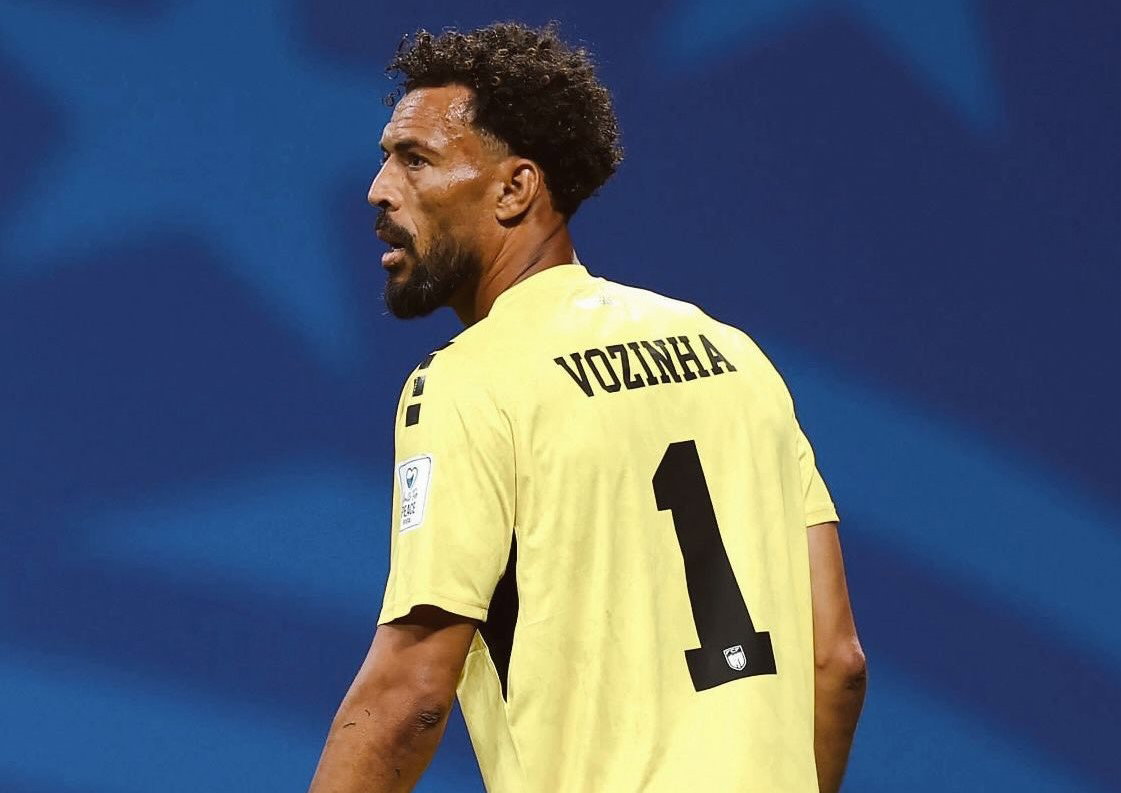
On June 15, 2026, at Atlanta’s Mercedes-Benz Stadium, an unlikely World Cup hero emerged. Facing reigning European champions Spain, 40-year-old Cape Verde goalkeeper Vozinha produced the performance of his life, making seven saves and withstanding 27 Spanish shots to secure a remarkable 0-0 draw that felt like a victory for his nation. As the final whistle blew, the veteran goalkeeper was overcome with emotion, breaking down in tears as teammates celebrated around him. His heroics earned him the Man of the Match award and turned him into one of the breakout stars of the tournament, with football fans across the globe suddenly eager to learn more about the man who had frustrated one of the world’s strongest teams. To understand how Vozinha became Cape Verde’s World Cup hero, it is worth looking back at the journey that shaped him long before his unforgettable night in Atlanta.
Watch What’s Trending Now!
Where is Vozinha from, and what is Vozinha’s nationality?
Born on June 3, 1986, in Mindelo on the island of São Vicente, Vozinha is one of the few members of Cape Verde’s World Cup squad who were actually born and raised in the country they represent. In a national team largely made up of players born in Portugal, France, and the Netherlands, his story is deeply rooted in Cape Verdean soil.
Life in the bustling port city of Mindelo was far from easy. With his father serving in the military and his mother working tirelessly to support the family, Vozinha spent much of his childhood in his grandparents’ care. His nickname, “Vozinha,” which translates to “little grandmother” in Portuguese, originated from childhood teasing because he was so close to his grandmother. Unlike many modern footballers, he did not come through an elite academy system or benefit from world-class facilities.
Instead, he refined his skills playing street football against older boys in his neighborhood. His path to the professional game was unusually late as well. He did not become a professional footballer until the age of 25, an age at which many players have already established themselves at the highest level. That unconventional journey makes his rise from the streets of Mindelo to the World Cup stage all the more remarkable.
Reuters
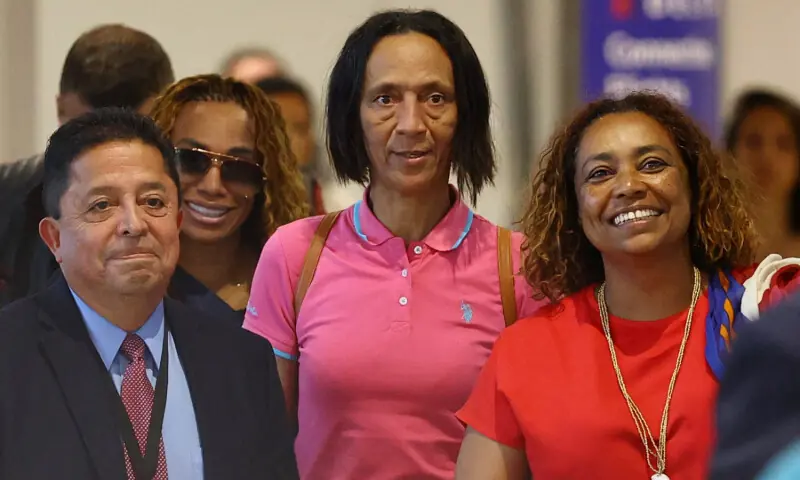
The mother of Cape Verde’s Vozinha, Ana Candida Evora -Reuters
What is Vozinha’s ethnicity?
Vozinha is ethnically Cape Verdean, which means his roots are a rich blend of West African and Portuguese heritage. Cape Verde was uninhabited until the Portuguese discovered it in the 15th century. They brought enslaved Africans from the mainland to work on sugar plantations. Over the centuries, a unique Creole culture emerged, a fusion of African and European influences that’s distinctly Cape Verdean.
His full name, Josimar José Évora Dias, tells part of the story. “Josimar” was a tribute from his father to the legendary Brazilian right-back who starred in the 1986 World Cup. “Évora” and “Dias” are Portuguese surnames, reflecting the colonial legacy. But make no mistake, Vozinha is African. He carries the pride of a small island nation that’s punching way above its weight on the world’s biggest stage.
His parents are Cape Verdean too. While his father was in the military, his mother worked tirelessly. There’s no grand story of foreign ancestry here, just a family from Mindelo who raised a kid who would one day stop Spain. As Cape Verde defender Pico Lopes put it, “He lives and breathes Cape Verde.”
Is Vozinha Christian?
There is no publicly available evidence confirming Vozinha’s religious beliefs. While Cape Verde is a predominantly Christian country, an individual’s faith cannot be assumed based solely on nationality or cultural background. Vozinha has generally kept his personal life private and has rarely spoken publicly about religion or politics.
What is known is that family plays an important role in his life. After Cape Verde’s memorable draw against Spain at the 2026 World Cup, he emotionally dedicated the performance to his grandparents, who helped raise him and passed away several years ago.
Reflecting on the occasion, he said: “I work all my life for this, for this moment, for this dream.” The comments highlighted his deep gratitude to the family members who supported him throughout his journey. Whether or not he practices a particular faith remains a private matter. What is certain is that his resilience, humility, and perseverance have made him one of the most inspiring stories of Cape Verde’s World Cup campaign.