
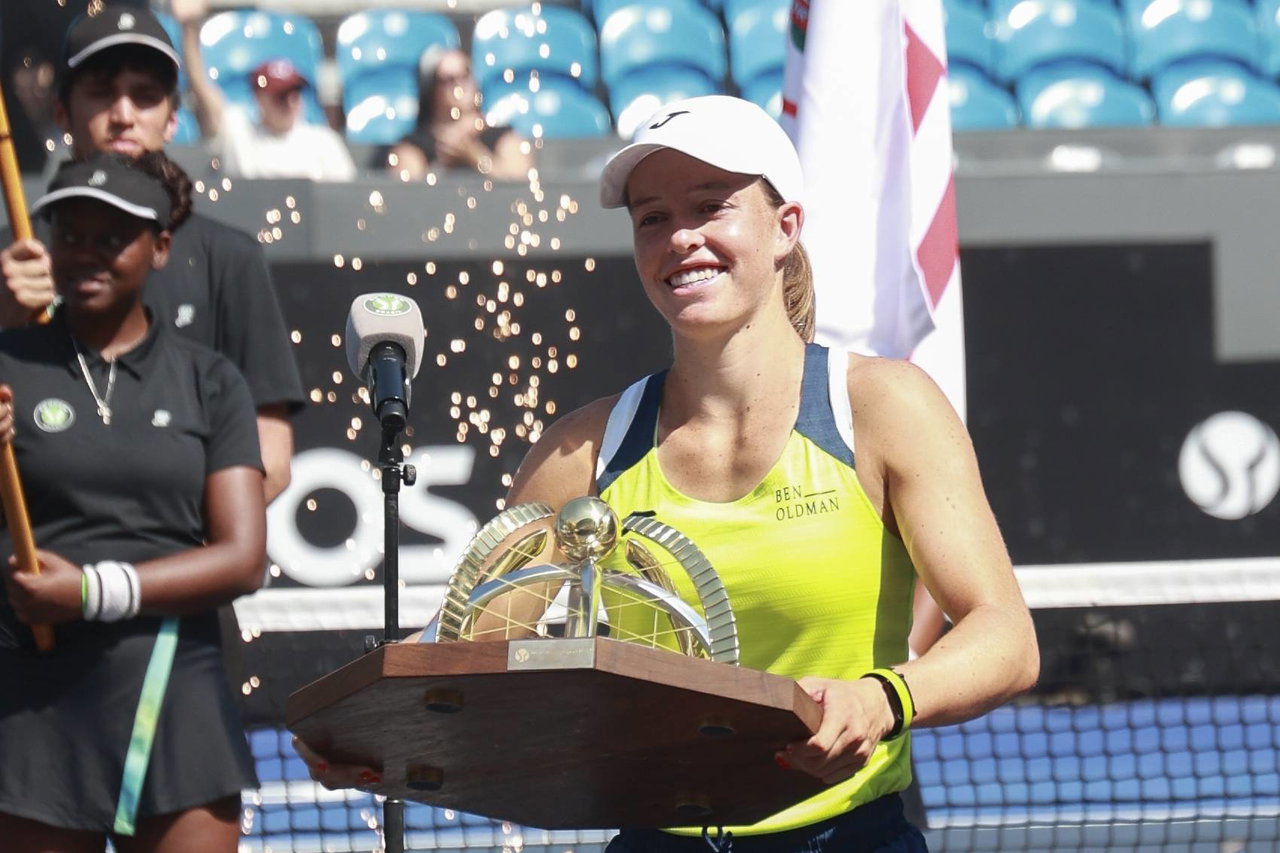
Kaitlin Quevedo’s raw emotion broke through the celebration of her first WTA title as she delivered an unexpected, powerful message addressing global inequality, ongoing conflict, and sport’s unique ability to unite people. The 20-year-old Spaniard had just fought back to defeat Nadia Podoroska 4-6, 6-4, 6-2 in the São Paulo Open final when tears and overwhelming feelings finally took over during her acceptance speech.
Watch What’s Trending Now!
When the trophy was officially presented, her thoughts immediately moved beyond the baseline. Addressing the audience, she spoke candidly about societal privilege, global turmoil, and a athlete’s broader responsibility.
“I know that there are a lot of inequalities in the world. There’s a lot of conflict, and sometimes there’s a lot of hate,” Quevedo said. “I think it’s incredible how sports can bring together so many people, so many countries and so many cultures.”
When Tennis Crossed A Border
Quevedo’s message echoed a famous precedent in tennis history: Rohan Bopanna and Aisam-ul-Haq Qureshi, whose iconic “Indo-Pak Express” doubles partnership bridged geopolitical divides between India and Pakistan.
The pair first teamed up in 2003, developing a deep personal bond despite the historic political tensions between their home nations.
“All of a sudden we had two countries cheering for one team,” Bopanna recalled.
During their run to the 2010 US Open men’s doubles final, Qureshi and Bopanna took their message to the sport’s biggest stage, wearing warm-up apparel emblazoned with the slogan: “Stop War, Start Tennis.”
“It is the beauty of sport that it’s above culture, politics, and religion,” Qureshi explained at the time.
Quevedo’s emotional victory speech serves as a fresh reminder of that enduring legacy. In an era marked by heightened international divides, her breakthrough moment in São Paulo reinforced tennis’s longstanding capacity to transcend borders and offer a shared space for unity.