
Argentine veteran Facundo Bagnis will be suspended for one year from tennis after his disqualification from the US Open last year for taking a banned substance during qualifying. The 36-year-old, who peaked as world No. 55 in November 2016, had a positive test result for hydrochlorothiazide, a diuretic and masking agent banned by the World Anti-Doping Agency code.
Watch What’s Trending Now!
The case was resolved by a ruling made by the International Tennis Integrity Agency (ITIA) on 6 July 2026, which centered on how the substance got into Bagnis’ system. In a full breakdown of the incident released by ITIA, the player claimed he had not taken the drug intentionally or knowingly, but had used it after consuming a bespoke supplement called Digestive, prepared for him by a compound pharmacy in Argentina. The supplement was reportedly prescribed by his doctor, an expert in sports medicine, to correct the deficiencies found in his blood profile in January 2025. The Argentinian ingested one capsule occasionally around meals to help with digestion.
Bagnis presented a comprehensive evidence file that included WhatsApp messages with his doctor, his pharmacy, the medical prescription, receipts for the purchases, a blood evaluation profile, and expert toxicology reports, to support his explanation. One report verified that hydrochlorothiazide was not found in his hair or toenail samples within six months prior to testing, which suggests an absence of repeated or chronic use.
Most importantly, the ITIA had the supplement analyzed independently at a WADA-accredited lab. The facility found an average of 35.4 micrograms per capsule, and the lab said it is possible that the contaminated product he consumed contributed to Bagnis’ positive test.
Imago
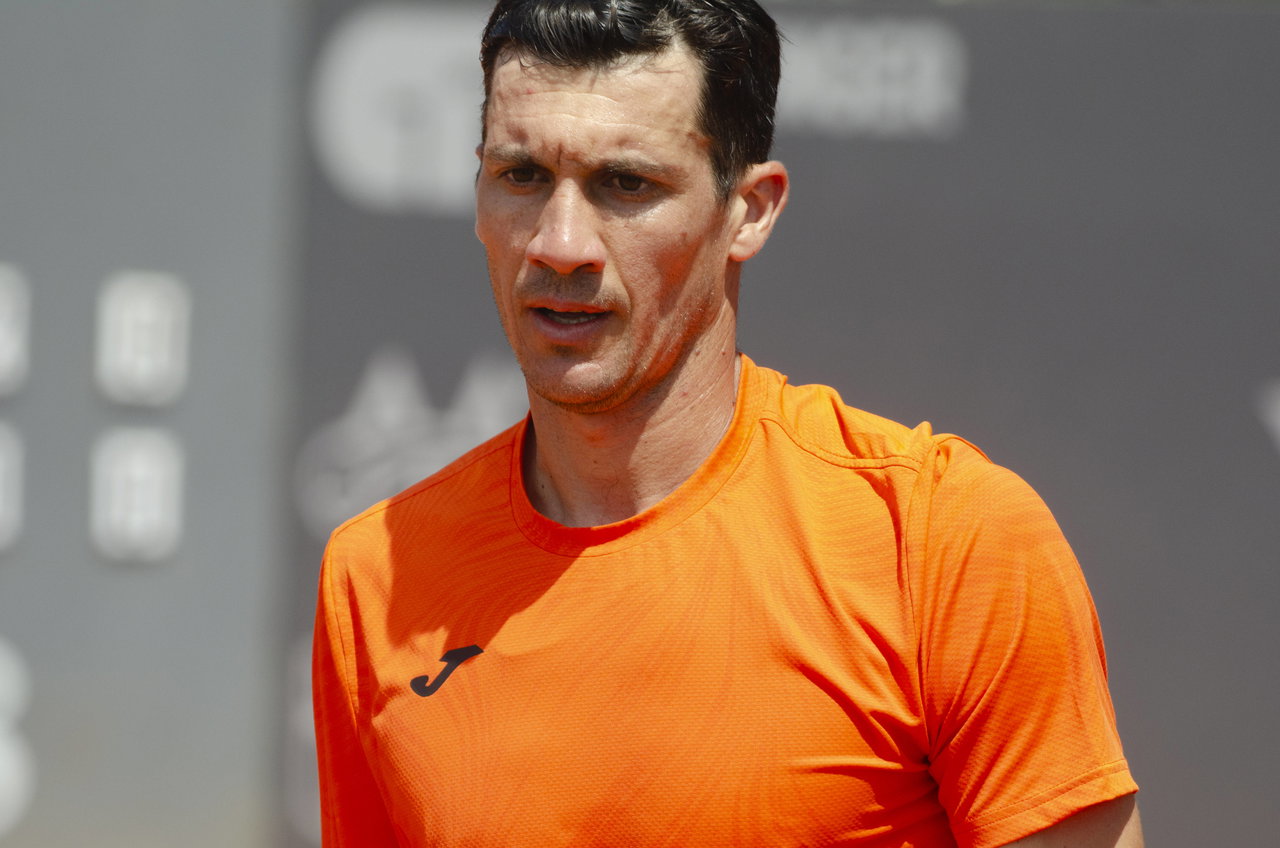
Challenger Buenos Aires 2 Argentine tennis player Facundo Bagnis is playing in the final of the Challenger Buenos Aires 2 in Buenos Aires, Argentina, on January 21, 2024. Buenos Aires Buenos Aires Argentina PUBLICATIONxNOTxINxFRA Copyright: xMarinaxEspechex originalFilename:espeche-notitle240121_npfQ9.jpg
Based on that, the ITIA determined it was more likely than not that the contaminated supplement was the cause and the violation was unintentional. That discovery reduced the possible four-year ban to two years. Additional reductions were implemented because the prohibited substance was derived from a contaminated product, not listed on the label, nor found through a reasonable search on the internet.
Why the ban landed at 12 months rather than a full acquittal
The ITIA accepted Bagnis’ account, but made it clear that a player could not avoid sanctions entirely under the circumstances, and the player was described as right not to pursue a plea of no fault or negligence. The governing body referred to the long history of positive tests in the South American tennis circuit, which included several players such as Beatriz Haddad Maia, Nicolas Jarry, Thomaz Bellucci, and others, suspended for up to 13 months for supplements prepared at South American compound pharmacies.
In both 2019 and 2020, the ATP and ITF issued formal notices warning of the high risk associated with supplements made in South American pharmacies. Therefore, Bagnis was aware of the danger.
He consulted a sports medicine doctor, explicitly raised contamination concerns before purchasing, relied on the doctor’s endorsement of the pharmacy, and was assured that Olympic athletes had used the same facility for two decades without issue. The ITIA felt his fault was not “significant” enough for a full two-year term. However, because of his personal responsibility for what he consumes, the ban could not be eliminated entirely. The outcome was a settlement of a 12-month suspension, which Bagnis agreed to, with no demand for a hearing in front of an independent tribunal.
The ban will include his provisional suspension dated October 18, 2025, meaning his ineligibility will conclude at midnight on October 17, 2026. His results have been disqualified from the US Open and later events, with the associated ranking points and prize money forfeited.
During the suspension, he will not be able to play, coach, or attend any ITF, ATP, WTA, or Grand Slam-sanctioned event, but can use his member club facilities for training during the last two months of the suspension from 17 August 2026. WADA and Argentina’s national anti-doping organisation have the right of appeal against the decision at the Court of Arbitration for Sport.