
The US Open can partner with a betting-related company without much trouble, but let a player get anywhere near what could be seen as betting promotion, and suddenly the rulebook comes out. That double standard has already been called out by both fans and players. With that said, the focus has now shifted to A-list stars who are reportedly under ITIA scrutiny after attending a party hosted by a betting giant.
Watch What’s Trending Now!
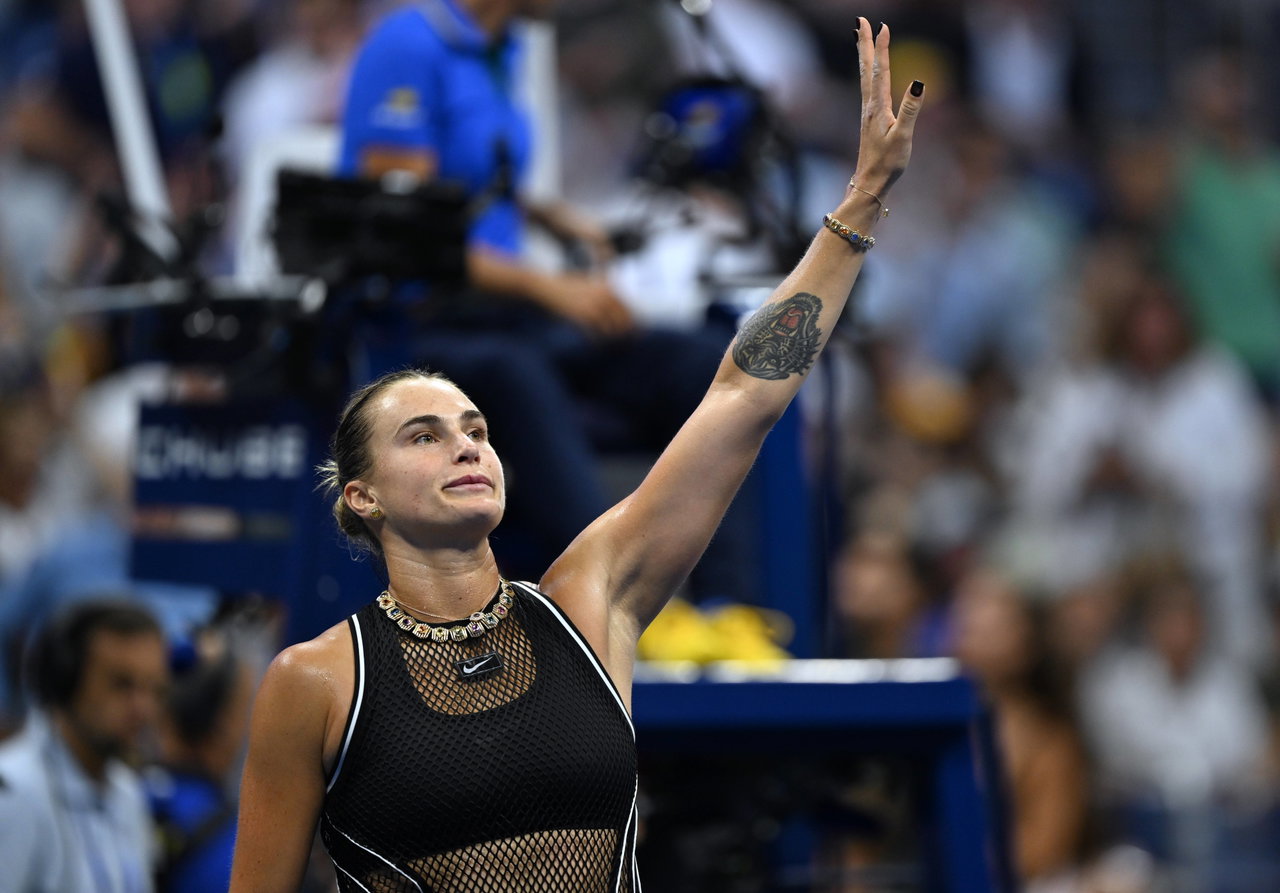
As reported by tennis insider Ben Rothenberg, Sabalenka, Gauff, Williams, and several other ATP and WTA stars attended a DraftKings-hosted party in New York. Photos showed players posing in front of DraftKings branding, and Rothenberg later reported that the ITIA is now looking into the matter, citing confirmation from a spokesperson.
They were hardly alone. Taylor Fritz, Mirra Andreeva, Matteo Berrettini, Eva Lys, and several other stars were also at the event. Rothenberg reported that David Grutman organized the gathering and then posted photos with the players on Instagram. And there was little room for confusion over who was behind it, with his own caption openly naming DraftKings as the host.
“Hosting @draftkings Welcome Players Party is my Favorite!!!” wrote Grutman on Instagram.
DraftKings is not just another sports brand. It is one of the biggest betting operators in the United States, with a sportsbook that takes wagers on tennis, including major tournaments. And this is not the first time its name has landed someone in trouble with the ITIA. In 2022, U.S. Davis Cup coaches Mardy Fish and Bob Bryan were fined $10,000 each and handed four-month suspended bans after promoting DraftKings on social media during the US Open.
Fish later admitted that the pair had done a DraftKings promotion without realizing it violated tennis rules. And the rules they ran into are fairly clear:
- Covered persons cannot bet on any aspect of a tennis competition under Rule D.1.a.
- Rule D.1.b bars them from directly or indirectly promoting tennis betting through appearances, endorsements, social media posts, advertisements, or betting-brand clothing.
- Rule D.1.q prevents covered persons from being endorsed by, employed by, sponsored by, or otherwise engaged with a tennis betting operator, including sportsbooks, betting apps, and websites.
- The rules also extend to coaches, trainers, agents, management representatives, family members, tournament guests, and other accredited associates. The responsibility to ensure an appearance or commercial arrangement complies with the rules rests with the covered person.
The penalties can be severe. Players can face fines of up to $250,000 and periods of ineligibility of up to three years for certain offenses, while the ITIA can impose provisional suspensions in more serious cases even before a final decision is reached.
That is why the DraftKings party has drawn scrutiny. Attending alone does not automatically amount to a breach, and Rothenberg reported that, based on conversations with players and agents involved, the players were not paid to appear. The question now is whether the appearances and branded photo-ops still crossed into promotion under ITIA rules.
Even so, the rules cover promotional appearances and engagement with betting operators, while the TACP does not require proof of a corrupt motive or quid pro quo. Rothenberg’s report suggests the ITIA could still issue a warning, which would only intensify the debate around the US Open’s own partnership with Kalshi.
Tennis’ Betting Double Standard Resurfaces After US Open-Kalshi Deal
The US Open’s recent announcement that it will use Kalshi, a prediction platform, as one of its official partners has drawn significant attention, prompting critics to call out the prestigious Grand Slam event for associating with potential betting companies.
When asked the question, Jessica Pegula was not shy about stating the obvious restrictions imposed on players regarding associations with betting partners.
“Yeah, that’s been a conversation going on for a bit. Players can’t do anything with a betting-type sponsorship, but tournaments profit from a lot of that stuff. It’s a tricky question because we get a lot of negativity from bettors, whether we win or lose. It doesn’t even matter sometimes,” said Pegula in her press conference.
The World No.3 even drew attention to the fact that players are often subjected to bettor abuse online, something she herself was a victim of, especially after her loss at the French Open last year. Even the likes of Coco Gauff have spoken openly about the hateful messages they receive from disgruntled bettors who have lost money when their preferred player has lost.
And the concern is backed by data. The latest WTA Threat Matrix report found that angry gamblers accounted for 42 percent of all verified abuse detected during the 2025 season and 59 percent of serious abuse. The scale of the problem has also pushed betting companies to introduce measures aimed at identifying and curbing abusive bettors.