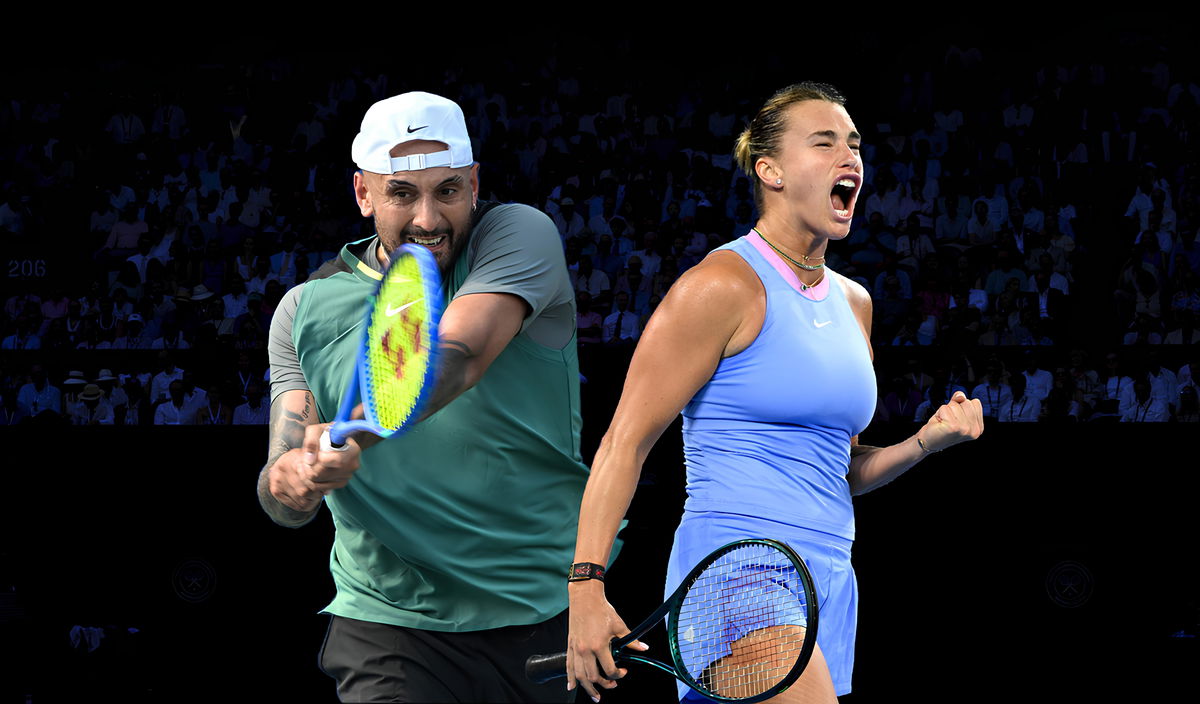
The rules for “Battle of the Sexes 2.0” are already set, and they lean heavily into spectacle. The match will be played over three sets, with a 10-point tiebreak deciding the match if each player takes a set. In a controversial twist, Aryna Sabalenka will compete on a court that’s 9% smaller than regulation and will be limited to just one serve instead of the usual two, instantly raising the pressure on every service game and increasing the risk of double faults. Kyrgios will also be restricted to a single serve, reinforcing just how experimental and unpredictable this format is meant to be.
Watch What’s Trending Now!
From a stylistic standpoint, the matchup is a fascinating clash of aggression, but it’s important to remember what’s actually on the line. The Dubai showdown is not part of the ATP or WTA calendar and carries no ranking points whatsoever. This is strictly an exhibition, designed for entertainment and high-voltage drama rather than tour implications. So with pride and bragging rights driving the action, the big question is: just how much prize money is up for grabs?
Is there any official prize money for the winner?
Tennis tournaments are usually clear and upfront when it comes to prize money, but details about payouts for the exhibition have not been made public, adding another layer of intrigue to an already unconventional event.
Top Stories





Stuart Duguid, the agent for both Aryna Sabalenka and Nick Kyrgios, addressed the situation by saying they are “not discussing the economics” of the match. Duguid further described the matchup as being about more than money, calling it “a battle for pride” that’s driven by innovation rather than traditional incentives.
Imago
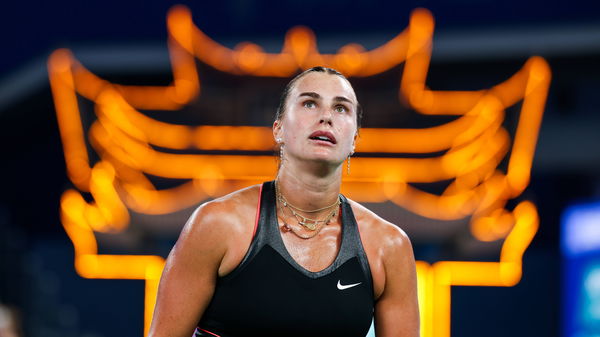
WUHAN, CHINA – OCTOBER 11: Aryna Sabalenka of Belarus reacts in the Women s Singles Semifinal match against Jessica Pegula of the United States on day 8 of 2025 Wuhan Open at Optics Valley International Tennis Center on October 11, 2025 in Wuhan, Hubei Province of China. PUBLICATIONxNOTxINxCHN Copyright: xVCGx 111596587805
While it remains unclear whether the winner will receive a formal prize purse, it’s widely expected that both players are being compensated through appearance fees. That setup is common for high-profile exhibitions and would fit the nature of this event.
Interestingly, the modern Battle of the Sexes arrives during a broader conversation around equal pay in professional tennis. In 2023, the WTA announced plans to align prize money with the men at combined 1000-level events starting in 2027, matching the equal-pay structure already in place at all four Grand Slams.
Nick Kyrgios has been outspoken about his concerns regarding equal pay, especially at Grand Slam tournaments. He has pointed out that men compete in best-of-five matches while women play best-of-three, once noting that he spent four hours on court at the Australian Open while another match lasted far less time, yet “we both got paid the same.”
How do players typically earn money in exhibitions?
In exhibition matches that don’t have an official prize fund, players typically earn money through appearance fees, which are guaranteed payments simply for taking part.
Unlike regular tour events, where payouts depend on match results, exhibitions focus on drawing power and entertainment value. Players may also earn additional income from broadcast and streaming rights, along with sponsorship deals and hospitality revenue generated by the event’s commercial appeal.
Interestingly, the Dubai Showdown follows that exact model but has not revealed its prize purse. Instead, both players are likely to be compensated through a combination of guaranteed appearance fees, television and streaming rights, and sponsorship and hospitality income tied to the event.
Moreover, at this level of global exposure, it’s normal for elite players to earn seven-figure sums for a single appearance, reflecting their media value rather than their ranking. That financial structure is what allows a showcase like this to exist without relying on ticket sales at the scale of a Grand Slam.
What happens with taxes on exhibition earnings?
For those who don’t know, appearance fees and prize money earned from exhibition matches are generally treated as taxable income in most countries, just like earnings from regular tournaments. Players are usually taxed based on where the event takes place, not just their country of residence. This means local tax authorities can withhold a portion of the earnings at the source before the player is paid.
For example, in the United States, athletes are subject to federal and often state taxes on income earned from competitions held on U.S. soil, including exhibitions, commonly referred to as the “jock tax.” In the United Kingdom, players competing at events like Wimbledon or exhibitions are taxed on prize money and appearance fees related to UK activities.
Similarly, countries such as Australia and the UAE apply their own tax rules depending on residency status and local regulations, though places like Dubai are known for having no personal income tax, which can make exhibitions there financially attractive.
To avoid being taxed twice, players typically rely on double taxation treaties between some countries, allowing them to offset taxes paid abroad against taxes owed at home. Most top players also work with accountants and financial advisors to manage withholding taxes, reporting requirements, and compliance across multiple jurisdictions, ensuring exhibition earnings are handled properly under international tax laws.
Written by

Edited by

Janainah Fazlin Anam