Imago
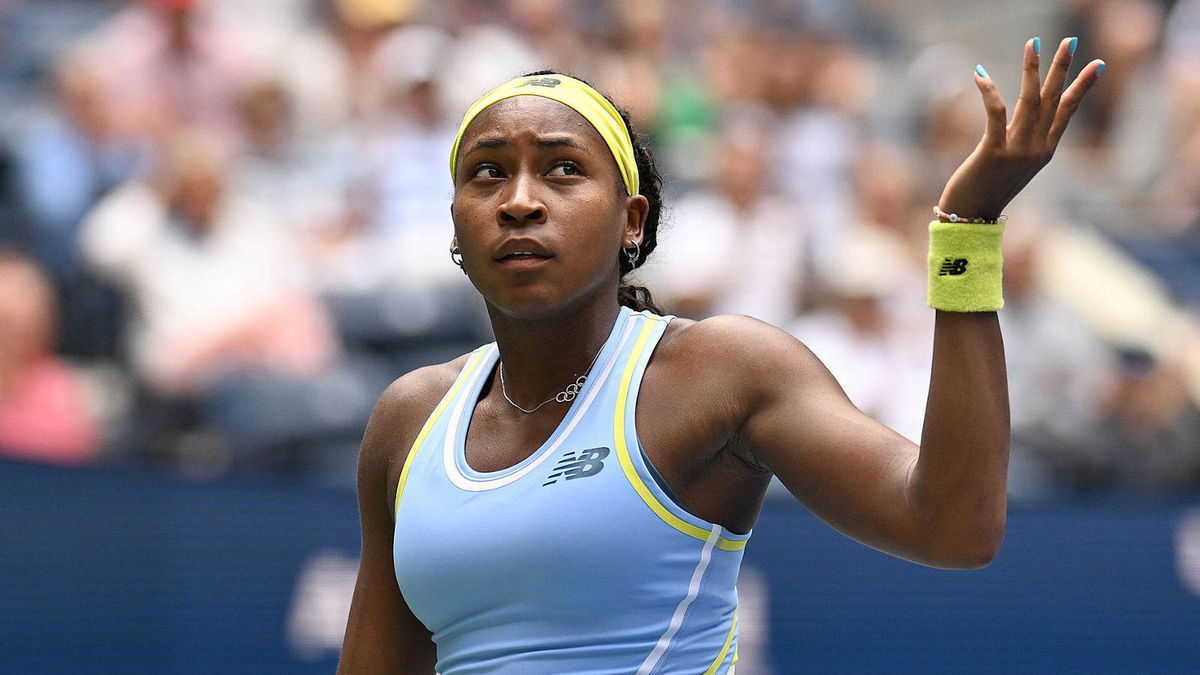
2XYR5J4 New York, USA. 30th Aug, 2024. Coco Gauff of the United States reacts as she plays against Elina Svitolina of Ukraine in the Women’s Singles Round 3 during the 2024 U.S. Open tennis tournament at USTA Billie Jean King National Tennis Center, New York, NY, August 29, 2024. (Photo by Anthony Behar/Sipa USA) Credit: Sipa US/Alamy Live News
Imago
2XYR5J4 New York, USA. 30th Aug, 2024. Coco Gauff of the United States reacts as she plays against Elina Svitolina of Ukraine in the Women’s Singles Round 3 during the 2024 U.S. Open tennis tournament at USTA Billie Jean King National Tennis Center, New York, NY, August 29, 2024. (Photo by Anthony Behar/Sipa USA) Credit: Sipa US/Alamy Live News
Iga Swiatek and Aryna Sabalenka withdrew from the WTA 1000 event in the United Arab Emirates just a day before the main draw was set. Despite the reasons, their late decision prompted tournament director Salah Tahlak to openly suggest that fines were no longer enough and that ranking points should be on the line. With that proposal now fueling debate across the tour, attention has turned to how players view the idea, and Coco Gauff has added her voice to the discussion.
Watch What’s Trending Now!
Speaking at a press conference on Sunday, Gauff warned about the long-term impact of the schedule. “You look at burnout throughout the year. Although maybe it might not affect you now, it will affect you later,” she said, before admitting this stretch of the season has never come easily to her. “For me, this part of the season I have always struggled, just because of the transition and things like that.”
The American then addressed the proposal to dock ranking points for withdrawals. Gauff made it clear that she does not support the idea.
“Do I think players should be docked points? Not really. We already have the mandatory. We get zeros on our ranking for everything,” Gauff explained. “For this point in the schedule, it’s hard to play all the tournaments now that they’re two weeks. The ask of players are becoming more and more and more.”
At the same time, she acknowledged why tournament organizers feel frustrated when star players pull out late.
Imago
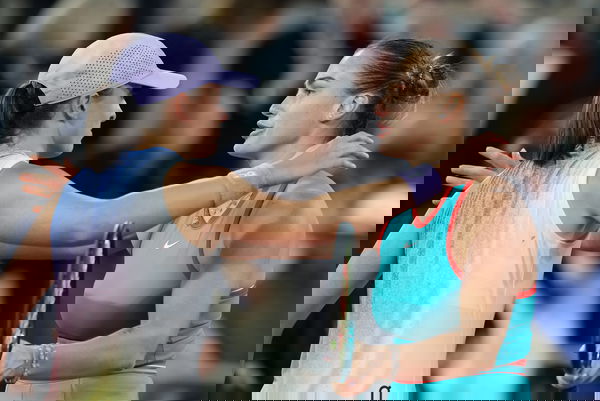
250606 — PARIS, June 6, 2025 — Aryna Sabalenka R and Iga Swiatek greet each other after the women s singles semifinal between Aryna Sabalenka of Belarus and Iga Swiatek of Poland at the French Open tennis tournament at Roland Garros, Paris, France, June 5, 2025. SPFRANCE-PARIS-TENNIS-FRENCH OPEN-WOMEN S SINGLES-SEMIFINAL GaoxJing PUBLICATIONxNOTxINxCHN
“I do understand the tournament side. They obviously want the players there. In the past, top players have always come to Doha and Dubai. This draw has historically been a tough draw. I understand it’s unfortunate this year,” Gauff said.
Rather than harsher punishment, Gauff floated a structural change to the calendar, suggesting the WTA introduce an optional 1000-level event similar to the ATP’s Monte-Carlo model.
“I don’t think it’s fair for players to get docked points. If anything, we should have an optional 1000 like the men do with Monte-Carlo. That feels a little bit harsh to me,” she added.
The controversy began after Tahlak publicly criticized the last-minute withdrawals, labeling them an “unfortunate surprise” and questioning the explanations provided by both players.
“Iga said she wasn’t mentally ready to compete, while Sabalenka said she has some minor injuries,” Tahlak said. “So I don’t know. I think there should be a harsher punishment on the players, not just fines, they should be docked ranking points.”
He went even further, arguing that financial penalties carry little weight for top stars.
“I think a fine will not do anything. Many years ago Serena Williams withdrew and was fined $100,000, but what is $100,000? She would play somewhere else and make $1,000,000. So the fine isn’t a big deal,” Tahlak said, later suggesting deductions of 500 to 1,000 ranking points.
Swiatek officially cited a “change of schedule” for her withdrawal, while Sabalenka pointed to a lingering hip issue, after already skipping the Qatar Open the previous week. The world No. 1 had even been seen practicing in Dubai days earlier before pulling out.
The scheduling shift this season has only intensified the strain. The Middle East swing began earlier than usual, with Abu Dhabi starting on the same day as the Australian Open final — leaving players with almost no recovery window before back-to-back tournaments in Doha and Dubai.
Trying to compete in all three events has become physically taxing, particularly as many WTA 1000 tournaments now stretch across two full weeks.
As of now, Gauff will open her Dubai campaign in the Round of 32 against either Jelena Ostapenko or Anna Kalinskaya, with top seed Elena Rybakina projected in the semifinals and second seed Amanda Anisimova potentially waiting in the final.
And Gauff isn’t the only player pointing to the toll of the calendar.As the debate continues, more players have shared their views on the withdrawals.
Victoria Mboko reacts to Swiatek and Sabalenka’s Dubai Open withdrawals
Victoria Mboko shared her thoughts earlier this week after learning about the withdrawals of Iga Swiatek and Aryna Sabalenka. The 18-year-old was informed during a media interaction. The news added fresh context to her Middle East campaign.
When asked about the situation, Mboko focused on the physical demands of the calendar.
“I think training plays a big part, the way you train, putting a lot of emphasis on fitness. It is a lot of matches, and the tournaments are really close to each other, so it’s hard to try to manage that.”
The young Canadian also spoke about the importance of planning a smart schedule. Recovery and physical care play a key role during long stretches.
“Of course, you want to manage your tournament schedule the best you can. But I think just, from a recovery standpoint and doing good physio, having good fitness and good routines helps you kind of last longer in that sense. I’m trying to improve that in a way.”
Mboko added that success is not only about working on the court. Off-court habits also matter during a long season.
“I mean, we’re always focused on it, but I think it’s important to also prioritise everything else off court that’s not related to tennis.”
The recent withdrawals reflect a wider concern among players. Many have already spoken about the demanding nature of the calendar.
After her AO loss to Elena Rybakina, Swiatek outlined her approach. She said she would “for sure” skip some mandatory 1000 events this year.
Sabalenka has also raised concerns about the modern schedule. She believes the physical strain is affecting players across the tour.
“The season is definitely insane, and that’s not good for all of us, as you see so many players getting injured, and also the balls are quite heavy. It’s a lot of struggle for all of us,” Sabalenka said at the Brisbane International this year.
As debate continues over possible ranking-point penalties for withdrawals, more voices are joining the conversation. The issue now extends beyond individual tournaments.
It reflects a broader discussion about player health and the future structure of the tour.
Written by

Edited by

Cherry Sharma