
When the player-led PTPA filed an antitrust lawsuit last year, raising concerns over pay disparity, exploitation, and flawed incentive structures, it took a while before things started moving. Then earlier this year, after Novak Djokovic stepped away from the PTPA, Tennis Australia agreed to work with the group in its push against the other Grand Slams.
Watch What’s Trending Now!
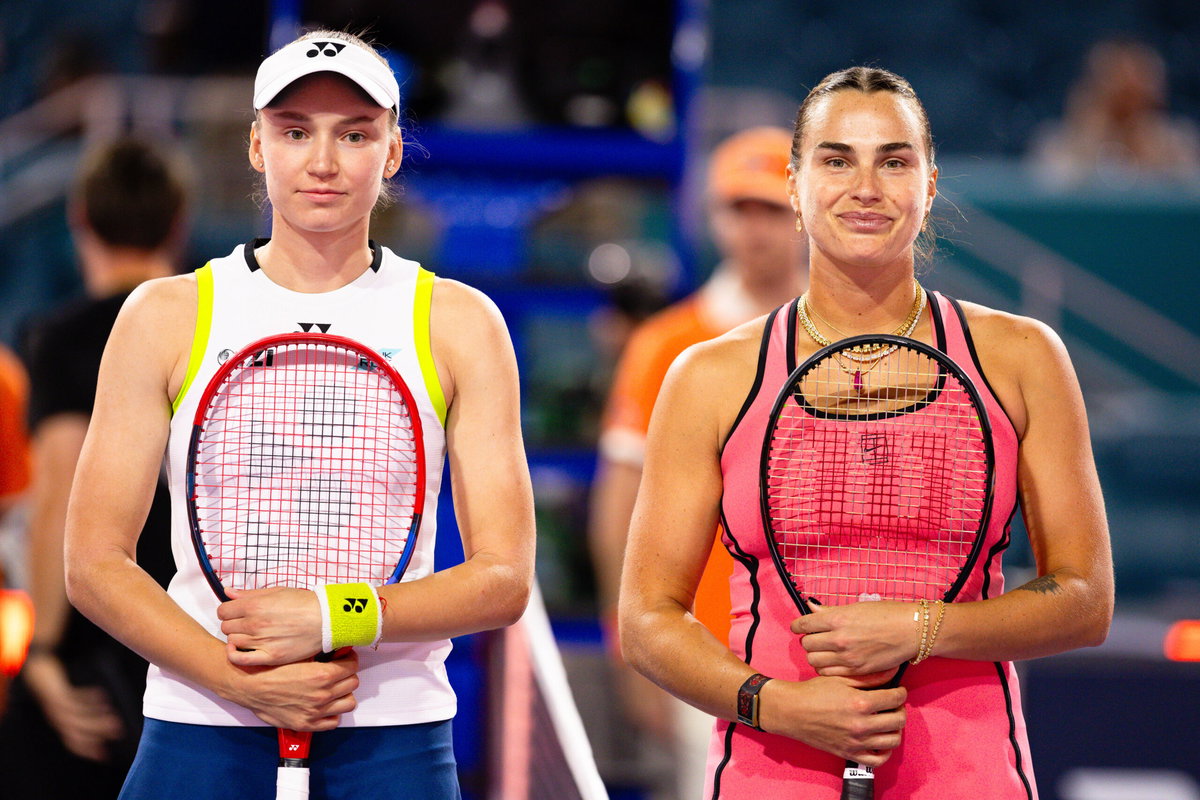
Now, a similar issue has resurfaced at Roland Garros, with several players unhappy about the current prize money structure. Aryna Sabalenka has even gone as far as hinting at a potential boycott, and a few others have backed her stance. But Elena Rybakina seems to have a slightly different take on the situation.
During her pre-tournament press conference in Rome, Rybakina was asked about her involvement in the ongoing prize money dispute. She made her position very clear, stating that the issue is not something she is currently engaged with or even thinking about.
“No, I’m not participating. No one came to me to talk about it, not from the WTA, not from the players council, not other players. It’s not on my mind at all,” Rybakina said. The World No. 2 also addressed Sabalenka’s suggestion of a potential boycott, offering a more cautious and realistic perspective.
“Well, it’s a tough question because we had so many things in the past where players could come together and boycott, but it never happened. I honestly don’t know,” she said.
Imago
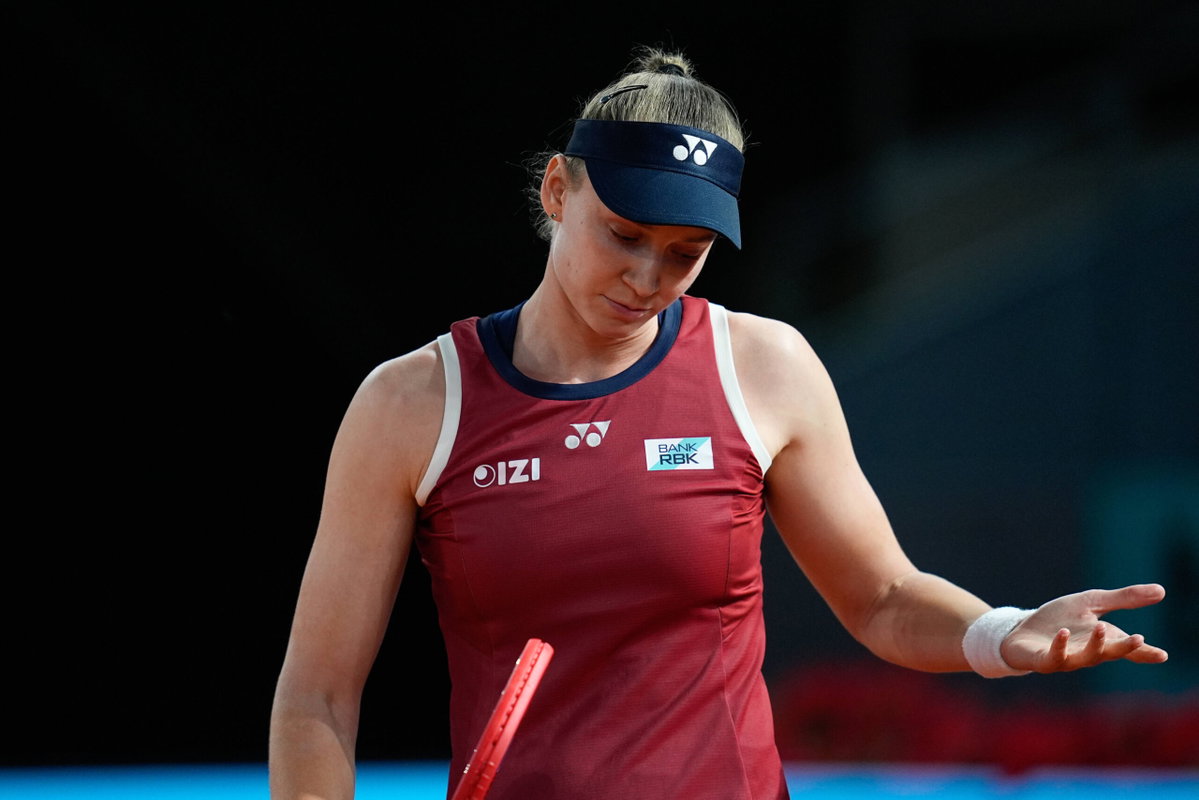
April 27, 2026, Madrid, Madrid, Spain: Elena Rybakina of Kazakhstan reacts against Anastasia Potapova of Austria during the Mutua Madrid Open 2026, ATP, Tennis Herren Masters 1000 and WTA, Tennis Damen 1000, at La Caja Magica on April 27, 2026 in Madrid, Spain. Madrid Spain – ZUMAa181 20260427_zaa_a181_631 Copyright: xDennisxAgyemanx
At the same time, Rybakina did not completely rule out the possibility and made it clear she would support a majority decision if one were reached. “If the majority say we are boycotting, we are not playing, then of course I’m up for it. It’s not an issue.”
She went further by highlighting that prize money alone does not define the broader challenges players face, especially when financial realities like taxation come into play.
“I feel like the improvement we need to have, it’s not only on the Grand Slams and it’s not only about raising the prize money. A lot of people are not aware that there is taxes which are big. You even make more prize money, but you giving it all to the taxes. It’s a different topic. It’s tough to say about boycotting. As I said many years we had different issues. For now not once players really came together and did any changes,” she added.
Meanwhile, Sabalenka’s stance continues to reflect the intensity of the issue among top-ranked players who believe their concerns are being overlooked. “I think at some point we will boycott it, yeah,” said the Belarusian during her pre-tournament press conference at the Italian Open.
Despite a 9.53% surge pushing the French Open prize pool to $72.3 million, unrest simmers as the Belarusian threatens to boycott. The standoff reflects a deeper fracture between players and Grand Slams over revenue share and support systems.
Support for these concerns has also come from other leading players like Iga Swiatek and Coco Gauff, both of whom have expressed frustration over the situation. At the same time, Rybakina’s remarks about the lack of unity on the WTA side highlight a deeper structural issue within the sport.
Her comments echo concerns raised on the ATP side, where Novak Djokovic has also emphasized the need for stronger player alignment and collective action.
Novak Djokovic highlights player disunity over extended two-week Masters events
The ATP Tour schedule continues to draw criticism, with players questioning both the number of events and their growing duration. Concerns around workload and recovery have remained constant, as many players feel the calendar is becoming increasingly demanding and difficult to manage.
Former top-10 star Diego Schwartzman recently shared his perspective, echoing what several players have been saying for some time. During an interview, Schwartzman was asked specifically about the expansion of two-week ATP Masters 1000 events and their impact.
“I think players have clearly shown their dissatisfaction with the two-week Masters 1000 events,” he said. He explained that the extended format has stretched the calendar significantly, adding more strain across an already packed season.
“The calendar has been extended by almost a month because of those extra five days per tournament. Obviously, it represents much higher revenue for the tournaments, and the ATP says that in theory, that goes to the players, but it’s a lot of days, and I don’t think it was a great decision.”
While leading names like Carlos Alcaraz and Alexander Zverev have consistently raised concerns, Novak Djokovic has taken a more critical stance toward the players themselves.
Speaking more broadly, Djokovic acknowledged the concerns but questioned the level of player involvement during key decision-making periods.
“I support the players,” said Djokovic. “But at the end of the day, when the players needed to be active and when there was a time of negotiations and decision-making, players weren’t participating enough.” He emphasized that expressing frustration alone is not enough without active participation in discussions and governance.
“This is an ongoing story of the players, particularly top players. They express their feelings, but…you really need [them] to put in the time and the energy into conversations, meetings, which I know it’s very difficult.”
At the same time, similar dissatisfaction is now surfacing on the WTA side, with Elena Rybakina also pointing to a lack of unity among players.
With tensions rising across both tours, it remains to be seen how players will respond to the ongoing prize money debate ahead of Roland Garros.