Imago
Image Credits: Eugenie Bouchard/Instagram
Imago
Image Credits: Eugenie Bouchard/Instagram
Imago
Image Credits: Eugenie Bouchard/Instagram
Imago
Image Credits: Eugenie Bouchard/Instagram
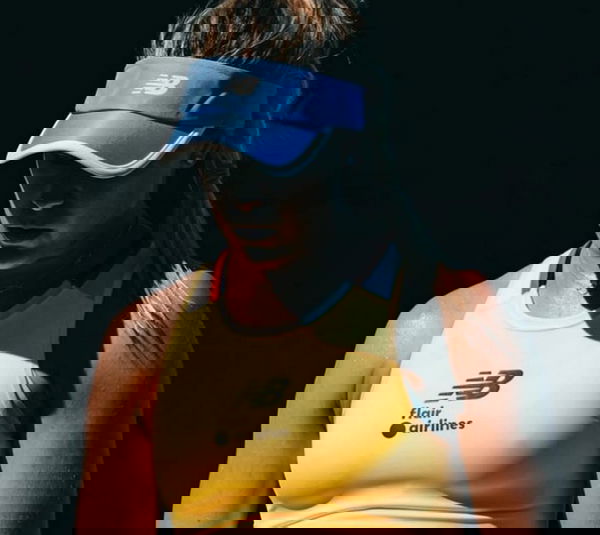
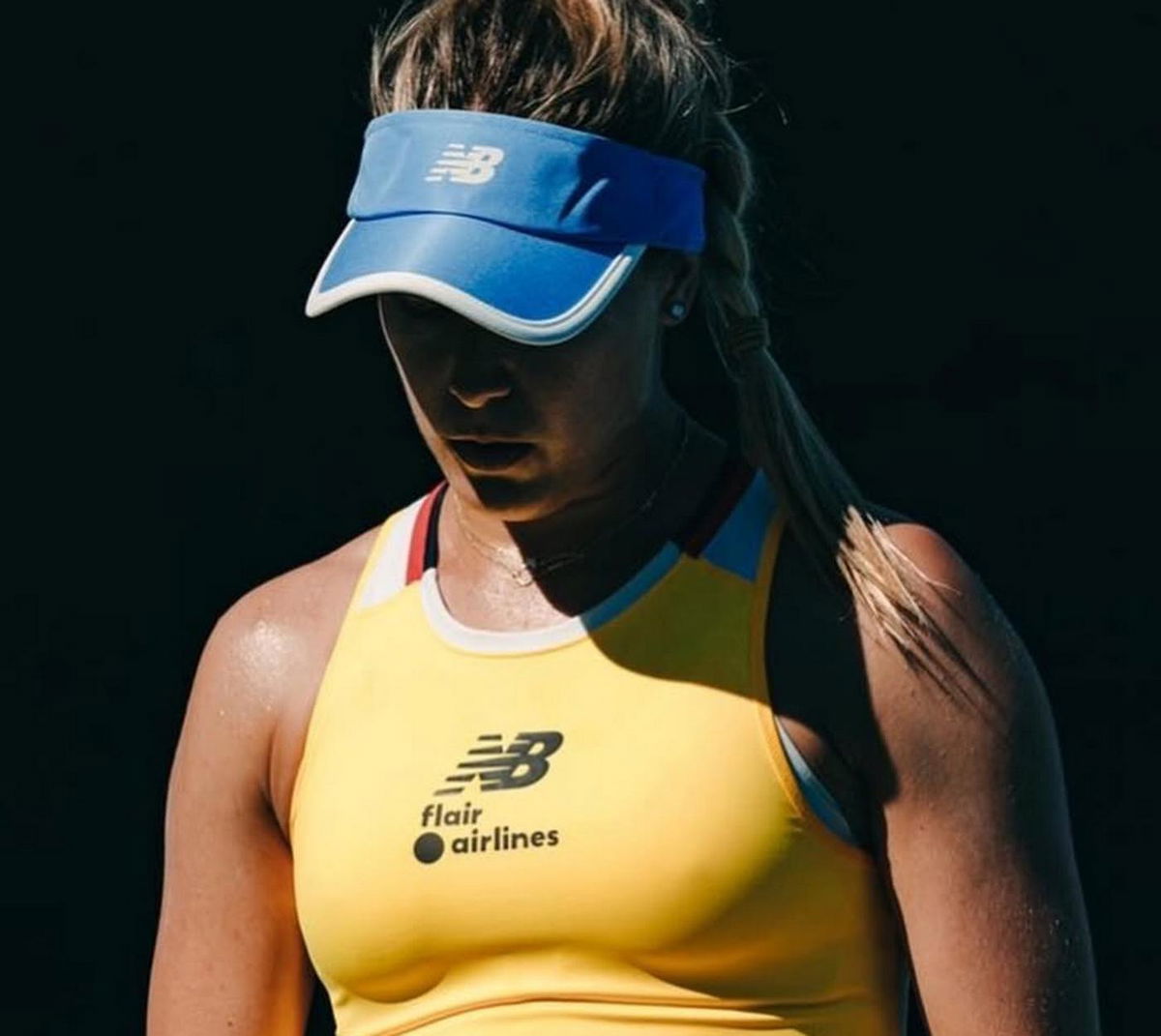
Retired tennis star Eugenie Bouchard stepped away from the sport last summer at the Canadian Open at just 31, but the spotlight hasn’t drifted far. Now, she’s reflecting on the whirlwind that followed her breakthrough as a 20-year-old finalist at the Wimbledon Championships in 2014. That sudden surge into global fame, she admits, eventually pushed her into what she describes as a “rebellious phase.”
Watch What’s Trending Now!
Back in 2014, everything seemed to be falling perfectly into place. She finished as a runner-up at Wimbledon, won her first WTA title, and climbed into the world’s top five. But with that success came intense pressure. The expectations grew heavier, the attention louder. And instead of feeling on top of the world, Bouchard found herself wanting to push back against it all.
“I had a very late rebellious phase. Normally, I feel like that happens in your teens, and so for me, it happened at 22. And I shaved the side of my head,” Eugenie Bouchard said on the Ok Sweetie podcast recently, recalling the bold change. After spending most of her life laser-focused on tennis, she felt the urge to break out of that mold. So in 2016, at the age of 16, she stepped out with one side of her head shaved. But according to Bouchard, the haircut didn’t exactly go as planned.
“To be fair, I wanted just a very small undercut thing, and I don’t know what happened, but it was literally half my head. I felt like I looked like a cancer patient, and I was like, this is not the look I was going for,” she added.
She made the change while spending some downtime in Miami after a second-round exit at the 2016 Australian Open. At the time, it may have felt like just a personal style experiment. But she later suggested the decision had longer-term consequences, especially when it came to her sponsorships.


“It was way worse than what I intended, but it caused me to not get my Rolex deal renewed. I think they sent an email to my agent along the lines of like, ‘Oh, this doesn’t align with our brand’, or something like that,” she revealed, claiming the luxury watchmaker Rolex wasn’t on board with the edgy new look.
What made it even more striking was that this all came not long after her massive rise in popularity. Following her Wimbledon breakthrough, Bouchard had been ranked No. 1 on SportsPro’s “World’s 50 Most Marketable Athletes” list and even appeared in the Sports Illustrated Swimsuit edition.
Even now, after stepping away from tennis after a 16-year long career that included semifinal runs at the Australian Open and Roland-Garros and transitioning to pickleball, she still boasts more than active 2.3 million Instagram followers. But you see, that wasn’t all Bouchard did during her anarchic phase.
Eugenie Bouchard took style cues from Justin Bieber
Rather than just getting a haircut, Eugenie Bouchard also decided to get a temporary tattoo inspired by fellow Canadian Justin Bieber.
“And then I got a temporary tattoo as well, like a henna tattoo or something like that. It was on my forearm. This is so cringe… This is so embarrassing. It was, like, a crown, because Justin Bieber has one of those, like a crown. I was looking for inspiration, and I just looked at his tattoos, and I saw it. I thought it was kind of cool.” At the time, it felt like another bold expression of her independence.
Throughout her career, Bouchard often felt that people paid more attention to her appearance than her tennis. She posed for major publications like Sports Illustrated’s Swimsuit Issue, and the undercut and tattoo became her way of pushing back against the labels placed on her. “I was like, okay, this is my appearance now. Like, F you,” she said, describing it as a form of rebellion.
Still, that defiant mindset didn’t always land well with the public. A lot of the conversation around her career centered on her off-court style, brand deals, and media appearances. But Bouchard never felt the criticism was fair.
Eugenie Bouchard said she was hurt and confused by criticism for pursuing opportunities outside tennis. She explained that anyone would accept an offer from Vogue, so why shouldn’t she? The opportunities came from her tennis success, and she sees no reason to limit herself or “stay in her lane.”