Imago
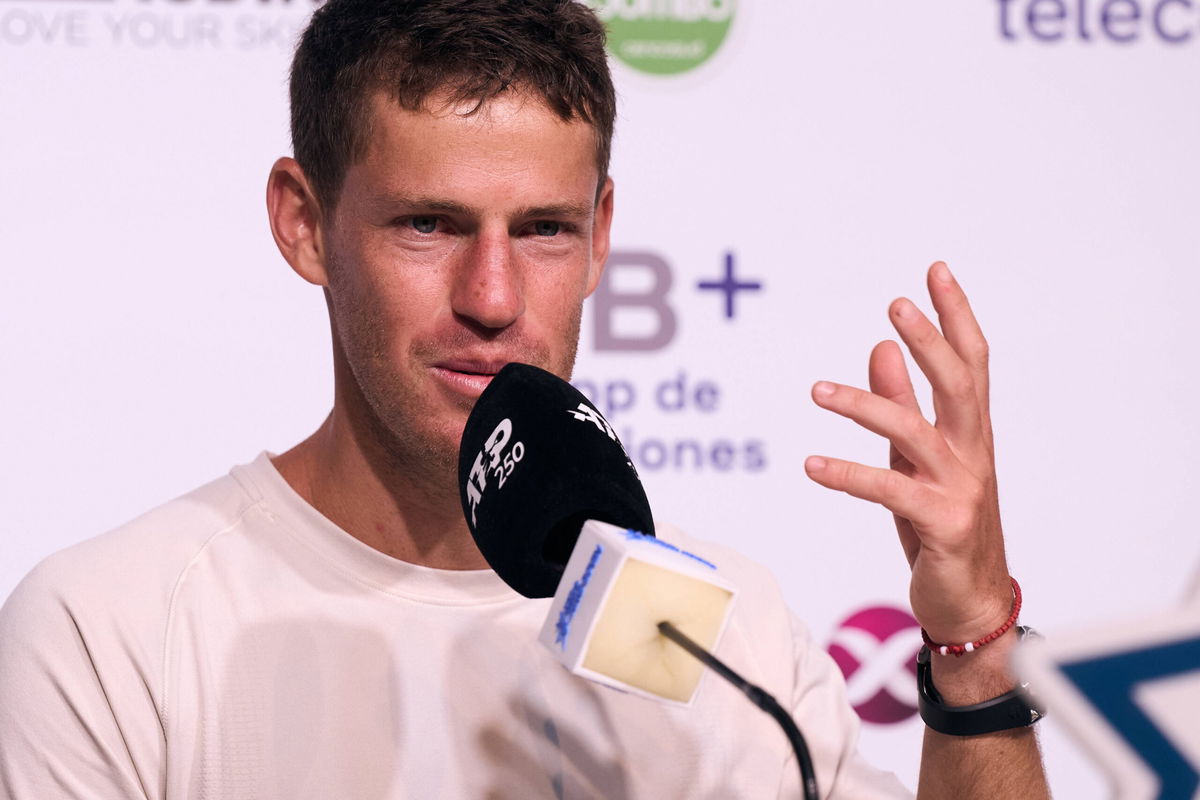
Diego Schwartzman at press conference, PK, Pressekonferenz after his last match as professional at the IEB Argentina Open 2025 at Buenos Aires Lawn Tennis Club February 13, 2025 in Buenos Aires, Argentina. Photo by Camilla Stolen, Imago Buenos Aires Argentina Copyright: xCamillaxStolenx L1090139
Imago
Diego Schwartzman at press conference, PK, Pressekonferenz after his last match as professional at the IEB Argentina Open 2025 at Buenos Aires Lawn Tennis Club February 13, 2025 in Buenos Aires, Argentina. Photo by Camilla Stolen, Imago Buenos Aires Argentina Copyright: xCamillaxStolenx L1090139
Remember last year when Novak Djokovic urged ATP players to speak out against the 12-day Masters format, branding it “unofficially, 12 Grand Slams a year”? Now, that warning feels prophetic as frustration resurfaces across the tour. Former world No. 8 Diego Schwartzman has reignited the debate, blasting the ATP over what he sees as ruthless and unforgiving scheduling decisions.


Speaking with Clay, Diego Schwartzman shared a strong view on the current ATP calendar. The former world No. 8, who has been working with Tennis Australia since retiring in 2024, believes scheduling is the biggest issue in modern tennis. “Right now it’s crazy — even people watching on TV don’t know which tournament they’re watching or how many points each one offers. It needs to be organised somehow,” argued the Argentine.
Watch What’s Trending Now!
Schwartzman also proposed a clear solution. He believes the ATP should learn from structured models used in other sports.
He pointed to competitions like Formula 1, golf, and the NBA. These leagues provide consistency and clarity for fans and players. “Hopefully, the Grand Slams, the Masters 1000 events and some of the big tournaments can create a more structured tour, more centred on the elite of world tennis, where people can watch everything on the same channel or the same app.”
Imago
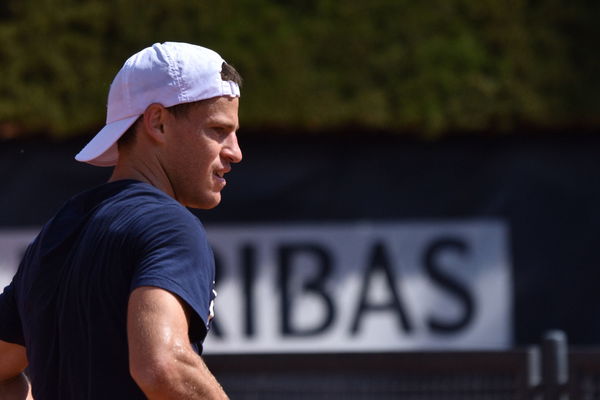
RECORD DATE NOT STATED Internazionali di Tennis Roma 2024 Terzo turno 13 Maggio 2024 Nella foto: Diego Schwartzman Copyright: xAndreaxRositox DSC_6362
Even in January, the ATP Tour made a partial adjustment. It reduced the number of mandatory tournaments players must compete in each year.
Currently, the top 30 players are required to play the four Grand Slams, nine Masters 1000 events, the ATP Finals if they qualify, and four ATP 500 tournaments. This applies unless a player is injured.
The ATP also reduced the number of required ATP 500 events. It dropped from five to four, while ranking calculations were trimmed from 19 tournaments to 18. At the same time, the tour is reducing ATP 250 events from 38 to 29. More cuts are expected by 2028 as a new Masters 1000 event is planned in Saudi Arabia.
Schwartzman continued to push for deeper reform. “I think the calendar needs to be restructured into a shorter one, with fewer tournaments, where priority is given to the Masters 1000 events and the Grand Slams, followed by the 500s and the 250s. It makes some sense, so the calendar becomes more organised, because right now it’s a bit of a mess. “
He is not alone in raising concerns. Stefanos Tsitsipas also criticized the extended format of the Masters 1000 events. The two-time Grand Slam finalist called the two-week structure a “backwards move.” He linked it directly to declining performance standards.
“The quality has definitely dropped,” said Tsitsipas in 2024. “Players aren’t getting the recovery or training time they need, with constant matches and no space for the intense work off the court.”
Along with Schwartzman, more former ATP players are speaking out. The growing criticism highlights increasing frustration over scheduling and player workload on the tour.
Andy Roddick blasts the tennis schedule again, as he labels it worse
Last year, world No. 1 Carlos Alcaraz chose to skip the Shanghai Masters. He decided to recover from an ankle injury he suffered in Tokyo. Several other top players also withdrew from the tournament. These included Stefanos Tsitsipas, Grigor Dimitrov, João Fonseca, and Arthur Fils.
The tough conditions in Shanghai made things even harder. The extreme heat affected player performance throughout the event. Jannik Sinner was another major name impacted. He retired during his third-round match, adding to the list of big exits.
These developments drew strong reactions from Andy Roddick. The former US Open champion shared his views on the situation. Speaking on his podcast ‘Served with Andy Roddick,’ he criticized the demanding tennis calendar.
“[Jannik] Sinner and [Carlos] Alcaraz were paying the bill for the scheduling. It’s impossible to be physically and mentally perfect week in and week out,” said Roddick. “Those guys can generally win when they are not. Something has got to give. This schedule continues to suck; it has sucked. It is only getting worse. Who pays the bill? The fans a lot of the time. The players do for sure. But you have to have a trade-off.”
Amid these concerns, discussions about structural changes in tennis are ongoing. The ATP Tour and WTA Tour are moving closer to a historic commercial merger.
ATP Chairman Andrea Gaudenzi has expressed optimism about finalizing a non-binding agreement. He mentioned the possibility during the ATP Finals in Turin last year.
Gaudenzi has also called for a longer off-season. He believes players need more time to recover and prepare.
“I think it definitely needs to be longer than what we have today,” Gaudenzi said. “Some players would say six, some say seven, some say eight. Surely a player needs one or two weeks off, then one or two weeks when they start building their body, which is athletics, gym, then they pick up the racquet again.”
With scheduling concerns growing, the debate continues. Questions remain about whether the tours will reduce events and allow players more rest to avoid injuries.
