
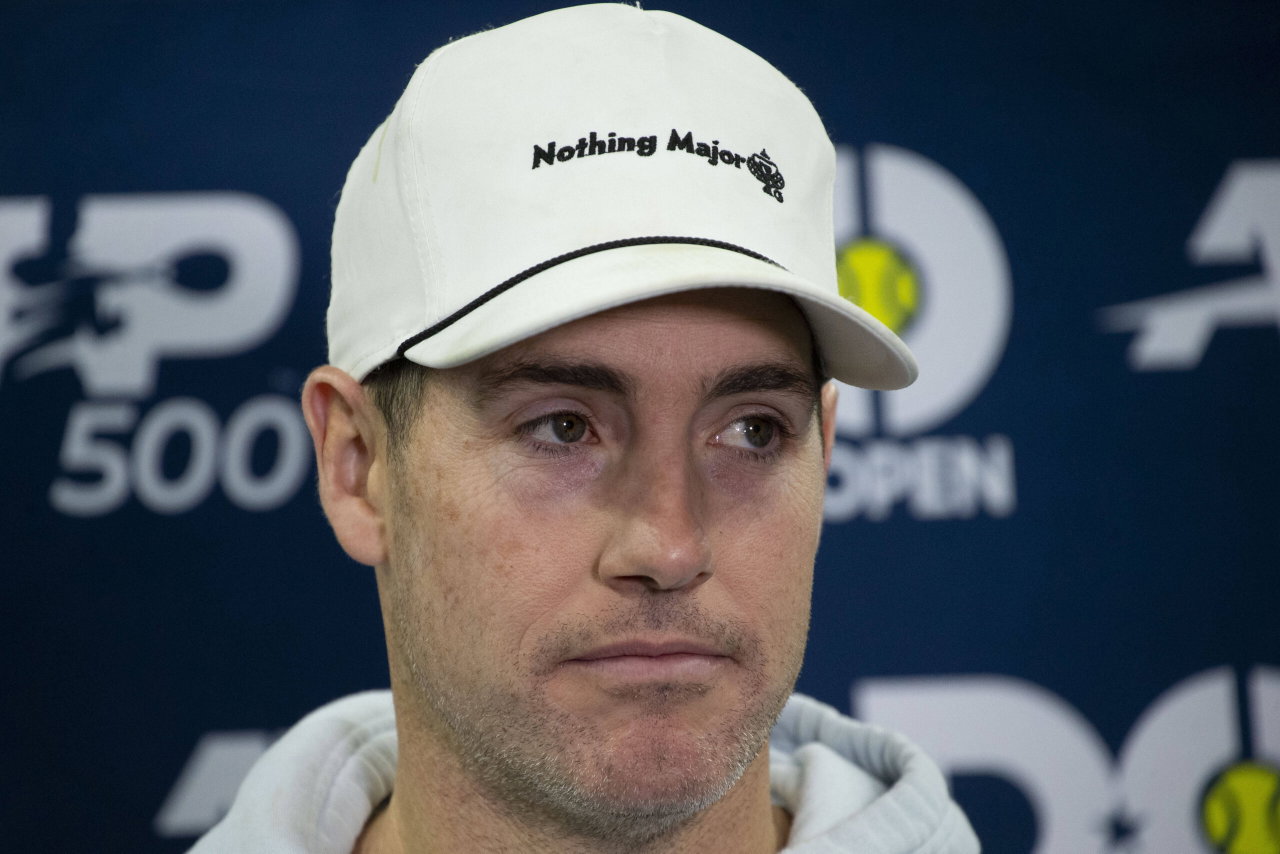
Whether we believe it or not, influencers have now become a part of tennis. They are responsible for attracting young viewers to the sport, generating revenue, etc. However, former ATP pro John Isner did not mince his words when highlighting the influencers’ true motivations for being at Slams.
Watch What’s Trending Now!
“It’s done a lot for the sport. It’s brought a lot of novice eyeballs to our sport,” said Isner in an interview with Front Office Sports. “Maybe they’re not there to enjoy or catch up on the tennis, but a lot of these people have huge followings.”
Isner was not far from making his point, as attendance at last year’s US Open crossed the one million mark, with influencers a major contributing factor.
Slams have attempted to get younger crowds into their stadiums to make the Grand Slams part of trending culture among the youth. Even traditional events like Wimbledon recognized the need to be digitally creative by hiring influencer Morgan Riddle to host a short series called Wimbledon Threads, which brought tennis and fashion together. Slams like the US Open have also started handing out accreditation passes to influencers, giving them equal recognition to traditional media.
On the other hand, there have been criticisms leveled at the influencers as well, with the common one being the ousting of traditional tennis fans. A lack of knowledge about the sport has also been attributed to the influencers, with their presence at Slams due solely to lucrative sponsorship deals rather than an interest in sports. Even though he admitted the success of the influencers, Isner was also adamant that events like Wimbledon had enough fame and prestige in their own right and could do well even without influencers.
“It’s just got so much history and tradition”, said Isner. “I don’t really feel like you need all that influencing there.”
One might argue that even Isner himself has jumped on the content-creation bandwagon, as have several other current and former players.
John Isner and Several Other Players Have Started Their Own Podcasts
Even though they are not strictly influencers, several former tennis players have started their own podcasts and dipped their toes in content creation. Isner is at the forefront of that, with him hosting the popular Nothing Major podcast along with Jack Sock, Sam Querrey, and Steve Johnson. The American quartet keeps it light, shares stories from their playing days, and even provides daily coverage during the Slams.
Even former World No.1s have come to the party of content creation, with Andy Roddick’s “Served with Andy Roddick” podcast being quite a hit. The former US Open champion has made quite a name for himself as a content creator with his analysis of the game and regular coverage of the Tour. The show hosted live events at the US Open last year, giving its fans and subscribers a chance to come face-to-face with their favorite players through Q&A sessions.
There have also been notable crossovers between the world of tennis, as Andy Murray and Jamie Murray’s podcast, “The Set,” had famous YouTube personality KSI in their first episode, making it an instant hit. It is not only podcasts, but even tennis commentary, which is moving in a new direction of reaching a younger audience, as Wimbledon brought in a completely different, more structured panel this year to provide more engaging commentary along with digitally-backed insights.