
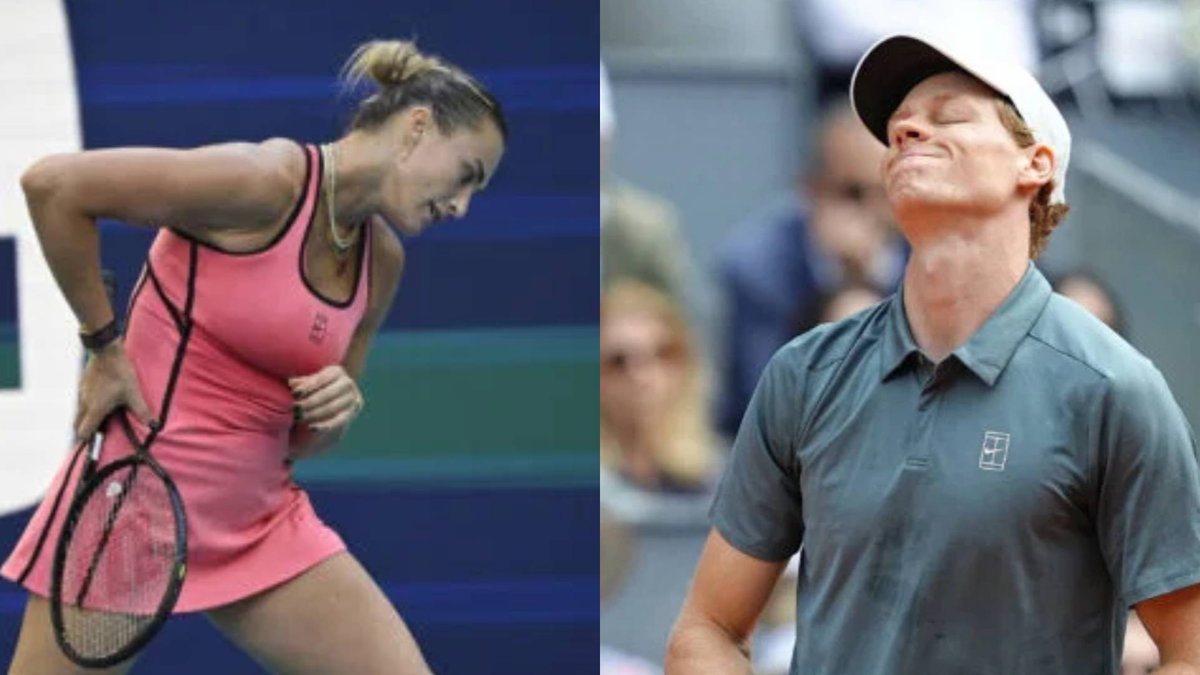
Days ago, tennis stars including Jannik Sinner and Aryna Sabalenka sparked a powerful stand at the French Open, collectively limiting their pre-tournament media duties to just 15 minutes. The symbolic protest exposed growing frustration with the distribution of Grand Slam prize money, with players arguing that only 15% of revenues are returned to competitors. Now, after tensions rattled the tennis world, the movement finally appears to have delivered encouraging news for players.
Watch What’s Trending Now!
The French Tennis Federation (FFT) confirmed that discussions had taken place on the eve of the tournament. The federation was represented by several officials, including Amelie Mauresmo, a former world No. 1 and current Roland Garros tournament director. The meeting reportedly happened on Friday, following the media day that had already been affected by the players’ protest.
Following the meeting, the FFT released an official statement discussing the tone of the conversations. “[The meeting] has allowed the FFT and the players’ representatives to engage in a positive and transparent exchange on a number of issues,” the FFT said in a press release on Saturday.
The federation also confirmed that the matter remains ongoing and will require additional negotiations. “As these discussions require more time, all parties have agreed to continue the dialogue and to meet again in the coming weeks.”
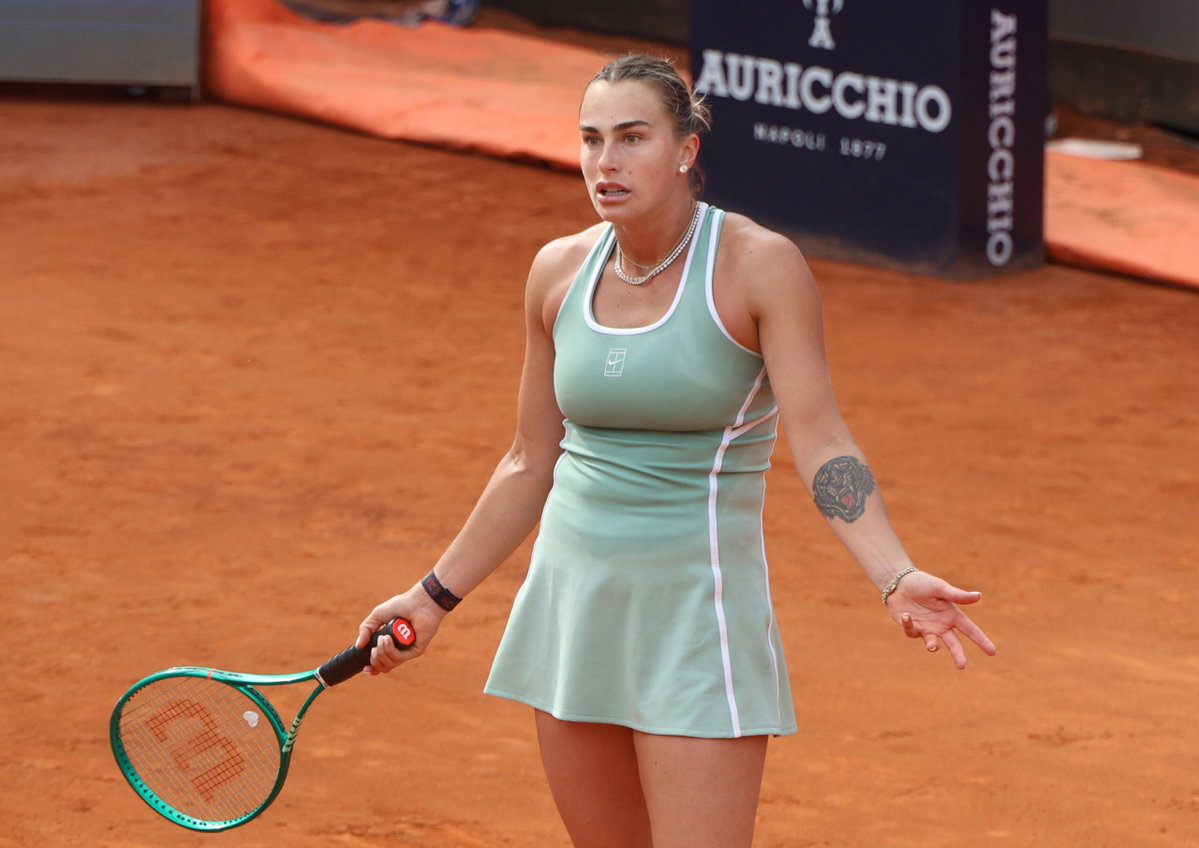
Imago
May 9, 2026, Rome, Lazio, Italy: ARYNA SABALENKA during the match against S. Cristea of Romania in the third round of tennis tournament WTA, Tennis Damen 1000 Internazionali BNL DÃ Italia, Rome, Italy. Sabalenka lost 6:2, 3:6, 5:7. Tennis, Internazionali BNL DÃ Italia 2026 – Aryna Sabalenka 6:2, 3:6, 5:7. PUBLICATIONxINxGERxSUIxAUTxONLY – ZUMAc278 20260509_zsp_c278_052 Copyright: xMarcinxCholewinskix
According to a source close to the discussions who spoke to AFP earlier on Saturday, the FFT has now agreed to negotiate directly with the protesting players.
That development marked a significant moment because the talks had previously appeared far more uncertain. The source also claimed that tournament organizers were prepared to carefully review the players’ demands.
In recent years, income generated through broadcasting rights, sponsorship deals, ticket sales, and merchandise has risen sharply across the Grand Slams.
The commercial success of the sport’s biggest events has become increasingly visible with packed stadiums and growing global television audiences. Players, therefore, argue that they deserve a larger share of the profits being generated.
For the 2026 edition, the French Open increased its overall prize-money pool by 9.53% compared to the previous year. However, that figure remains below the AO’s 16% increase and the US Open’s 20% rise from last season. Those numbers have only intensified the ongoing debate around fairness and revenue sharing.
At present, the four Grand Slam tournaments distribute roughly 15% of their total revenue toward player prize money. Reports suggest players are now pushing for that figure to increase to 22%. Such a percentage would bring the Grand Slams closer to the revenue-sharing structures already seen on both the ATP and WTA Tours.
Before the tournament began, Mauresmo defended the French Open’s current system and highlighted the investments the tournament has already made. “We have a model that is very different from what is on the Tours, be it the ATP Tours or the WTA,” she said. “Even a different model from the other grand slams. We put in place everything we can, also in the interest of the players.”
Mauresmo later emphasized the event’s long-term financial commitment to competitors and infrastructure. “We are also [improving] our infrastructure, we have prize money that has increased well, doubled in 10 years, and then also increased well in recent times, not only towards the top players, but also towards those who are more qualifiers and the first rounds of the table.”
While negotiations now appear to be moving in a more positive direction, many top players have continued focusing on making their mark at the tournament as competition intensifies in Paris.
Aryna Sabalenka continued fighting strongly for better rights and benefits for players
Aryna Sabalenka once again strongly defended the growing player movement demanding a greater financial share from the Grand Slam tournaments. Speaking during the French Open media activities, the world No. 1 made it clear that the campaign is not centered around the sport’s biggest stars.
“I feel like the whole point here is not about me,” Sabalenka said. Her comments immediately highlighted the wider issue that many players believe has been ignored for years.
The Belarusian star continued by pointing toward the financial difficulties faced by players lower down the rankings. “It’s about the players who are lower in the ranking, who are suffering. It’s not easy to live in this tennis world with that percentage that we are earning,” she added.
Sabalenka also explained why she personally felt responsible for speaking out on the matter. “As the world No 1, I feel like I have to stand up and to fight for those players, for lower-level players, for players who are coming back after injuries, the upcoming generation.”
Towards the end of her press conference, Sabalenka also shared a moment that highlighted the ongoing protest over media coverage at Roland Garros. She glanced toward her agent sitting at the side of the room. Her agent reportedly held up one finger while mouthing, “one more question.”
At that point, Sabalenka humorously took control of the press conference herself. The Belarusian essentially took over as moderator and announced the end of the interview on her own terms.
“And now it’s time for national language, and thank you so much for being here, for asking questions,” she said. “As I said a thousand times today, I have huge respect [for you], but we know what’s happening here, so thank you so much.”
Meanwhile, Andrey Rublev also voiced frustration over how players feel unheard by tournament authorities. “It’s not only about the money and stuff like that. There are many aspects. They don’t hear you. They don’t answer,” Rublev said.
Coco Gauff approached the protest in a more playful but equally deliberate way during her own media session.
After about 9 minutes in her pre-tournament press conference, the moderator asked whether there were any final questions. Gauff then looked down at her phone and joked, “I have about, like, one minute left,” she said, laughing.
When asked whether she had been timing the press conference, Gauff responded with more laughter: “Yes, I’ve got to be strict,” she said. At exactly the 10-minute mark, she politely excused herself and ended the session.
With tensions still surrounding the French Open and negotiations continuing behind the scenes, the coming days could prove crucial for both players and tournament organizers. While the stars continue competing on court, the larger battle over player welfare and financial fairness is clearly far from over.