
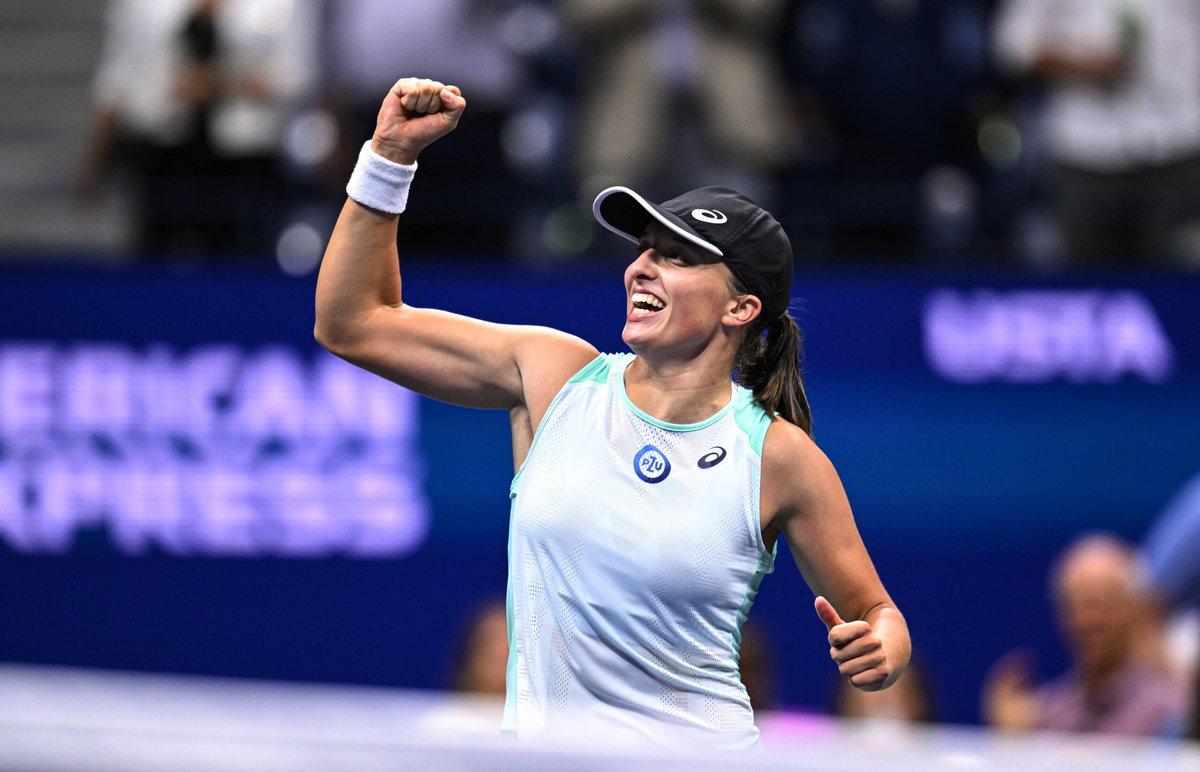
Iga Swiatek had had enough of falling at the quarterfinals in 2026. In Rome on Wednesday, she did not just get past it; she dismantled the player standing in her way to reach her first semifinal of the season. In one hour and seven minutes, the world No. 3 defeated fifth seed Jessica Pegula 6-1, 6-2 and made it clear that she was a serious Roland Garros threat again.
Watch What’s Trending Now!
Pegula had prevailed in their previous two encounters, each in straight sets, and had not lost a set in three rounds at the Foro Italico, which included a 6-0, 6-0 demolition of Rebeka Masarova. That didn’t matter. Swiatek was tough to beat at the baseline, and she broke serve early to take control of the exchanges, which was a signature of her style and is what was needed to neutralize Pegula’s ability to hit the ball flat.
“For sure, the stuff we did the last few weeks helped a lot. I feel much better. A lot of confidence in my shots. I was using that from the beginning of the match today and putting pressure on Jessie,” Swiatek said after the match in the on-court interview.
The stats prove how dominant the victory was. Swiatek dropped just four games across four sets in her two matches before the quarterfinal, against Naomi Osaka and Elisabetta Cocciaretto – the level continued straight through against Pegula. It was also her first top 10 victory of the season, and that is indicative of how poor her season has been so far in comparison to the standard she has set for herself.

Iga Swiatek after beating Pegula to get 1st top 10 win of the year in Rome: Iga: “For sure the stuff we did the last weeks helped a lot. I feel much better. A lot of confidence on my shots. I was using that from the beginning of the match today and putting pressure on Jessie. So Show more
The numbers around this result go well beyond the match itself. Swiatek became the first player to reach WTA clay court semifinals in each of the last eight seasons, a streak dating back to her debut on tour in 2019. She has now reached her 50th WTA 1000 clay court match, with a 43-7 record on the surface at the 1000s.
Only Serena Williams had more wins after 50 matches in WTA 1000 clay events when the format was introduced in 2009. Her 25th victory in Rome was also in only 28 matches in the Open Era, a feat that only Chris Evert, Conchita Martinez, and Gabriela Sabatini have achieved in fewer matches at the event.
Swiatek fell in the last eight four times this year already. From the Australian Open (vs Elena Rybakina; 5-7, 1-6) in January to the Qatar Open (Maria Sakkari; 6-2, 4-6, 5-7) in February to the Indian Wells (Elina Svitolina; 2-6, 6-4, 4-6) and Stuttgart Open (Mirra Andreeva; 6-3, 4-6, 3-6)
For a player who had not won a title in 2026 and fell at the quarterfinal stage repeatedly, finally breaking through in this fashion, against this opponent, at this tournament, feels like exactly the reset she needed. She will now play either Elena Rybakina or Elina Svitolina in the semifinals as she aims to make a statement before Roland Garros.
Francisco Roig’s arrival has given Iga Swiatek a new direction
Iga Swiatek’s turnaround is no accident. She had been a player who was clearly having trouble finding her footing on court, losing quarterfinals, failing to win a title, and retiring from Madrid after falling ill. It arrived in early April in the shape of Francisco Roig, who served as Rafael Nadal’s number one assistant coach for 17 years and has helped build the best clay-court dynasty in tennis history.
“I felt like I understood Francis from the beginning. More natural, more solid, kind of disciplined,” Swiatek said. She spoke of the new partnership in a pre-tournament press conference in Rome, and the words couldn’t have been more different from the disconnection she felt at the start of her season with Fissette.
The collaboration has had its own share of drama. Roig tore his Achilles tendon during a promotional practice session on a special clay court in one of Rome’s famous piazzas, and it was a volley with Swiatek that caused the injury, which required surgery in Warsaw just a few days later. As usual, Swiatek spotted the humor in the chaos.
“Yes, I tore my coach’s Achilles tendon. He’s taking a buggy. That is really saving us. Every day, he’s walking better on crutches. He’s learning a new skill,” she told reporters.
Throughout the week, the 58-year-old has been at Foro Italico on crutches, and the results on court have shown that even an injured Roig is making a difference. After the 2-2 mark in Stuttgart and Madrid, which was ended by illness, Rome is the first proper test of the duo. The early signs suggest the Roig effect is beginning to show at exactly the right time, with the ultimate test just two weeks away.