
Spain is mourning after two high-speed trains collided near the town of Urda, in the province of Toledo, on Wednesday morning. It was one of the worst train wrecks in this century in Europe, as at least 68 people lost their lives and dozens were injured. Prime Minister Pedro Sánchez declared three days of national mourning, saying that “today all of Spain is grieving.”
Watch What’s Trending Now!
The crash happened on the high-speed line from Madrid to Andalusia, shortly after 9 a.m. local time. A Renfe train carrying 397 passengers struck the rear of an Iryo train carrying 147, which had come to a stop on the same track. The damage caused the derailment of several wagons near Urda, with the metal and panels twisted and broken on an embankment. According to the transport minister, Óscar Puente, the signaling system that automatically halts trains when the line ahead is occupied had gone down at around 8:30 a.m. because of a computer malfunction.
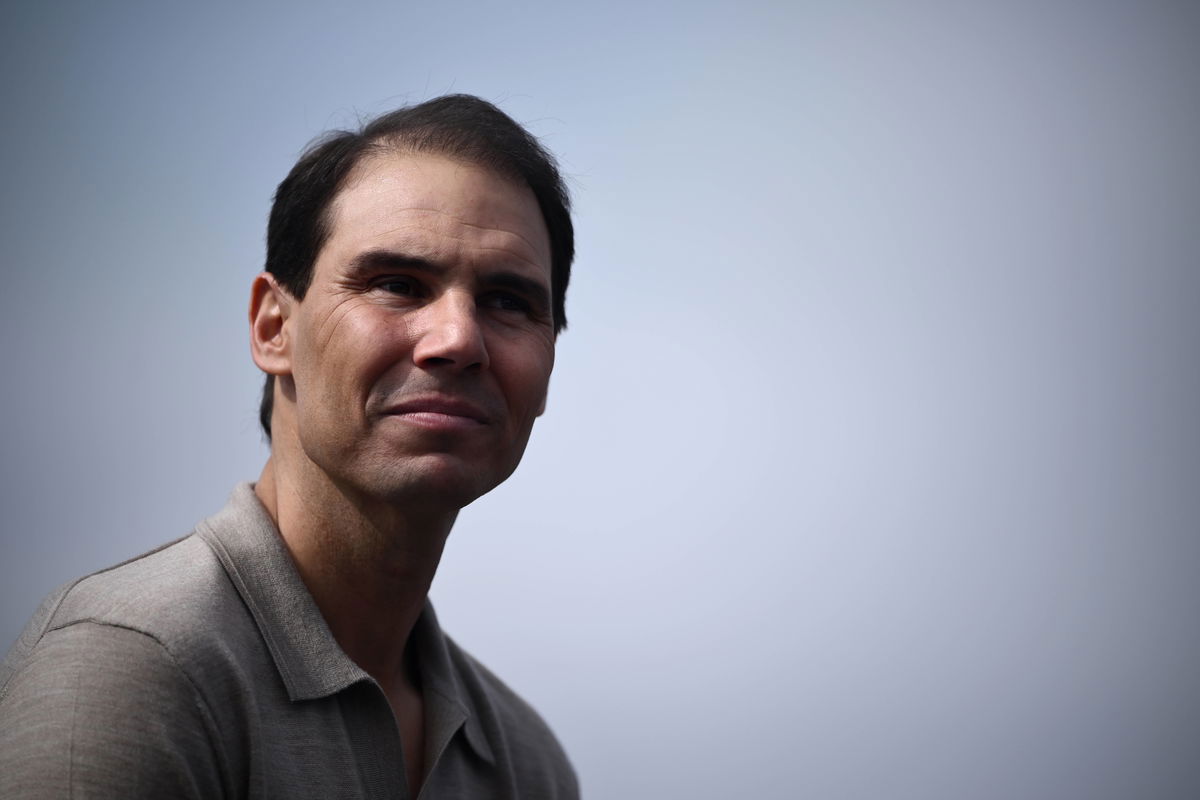
Approximately six trains were held up on 63 km of track. Control of the line then passed to a command center in Madrid, which, according to Puente, told at least two trains to resume normal operation even though a stop signal was still in place. The Renfe train traveled about 25 kilometers before it hit the stationary Iryo train around 17 minutes later. Spain’s one of the most loved athletes, Rafael Nadal, wrote on social media to express his solidarity.
“I want to send a very big hug to all the families who have lost their loved ones. It is hard to find words in moments like these.” The 22-time Grand Slam champion then turned to the survivors. “All my affection and much strength also to the injured people. From the heart, I hope they recover soon (translated from Spanish).”
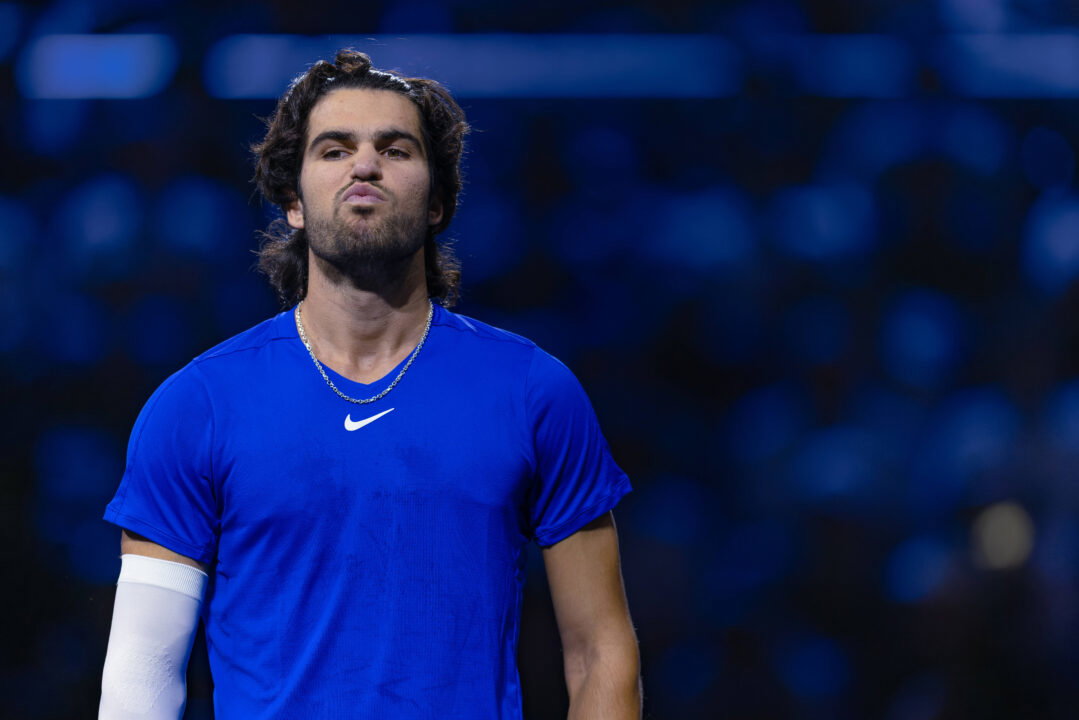
His heir, Carlos Alcaraz, soon joined him to express his concern and sadness.
“Shocked by the news of the tragic train accident in Toledo. All my love and support to the families of the victims and to all the people affected during these such difficult times.” the Spaniard wrote across social media platforms. “My deepest condolences. Much strength to everyone (translated from Spanish).”
Imago
Featuring: Carlos Alcaraz Where: Leeds, United Kingdom When: 26 Sep 2026 Credit: Alex Cropper/Cover Images EDITORIAL USE ONLY. NOT FOR USE BY NEWSPAPERS BASED IN THE UK. Copyright: xx coverimg56062809
The messages added two prominent Spanish voices to a country trying to understand a second major rail tragedy in under a year.
What is known about the crash and the response
By Wednesday afternoon, the regional government of Castilla-La Mancha had reported 68 deaths and its leader, Emiliano García-Page, cautioned that more might be found because rescuers had yet to reach the bottom of the carriages. Another 107 people needed hospital treatment, including 15 in a serious condition.
The town of Urda, surrounded by olive groves and vineyards, was the epicentre of the rescue action. A nearby sports center was transformed into a rescue center for minor injuries, a local hall was used by families looking for their missing loved ones, and people brought food and water to those waiting for updates.
The cause is still under investigation. Puente described the circumstances of the decision as “inexplicable” and said there was more than enough time to correct the error. The minister even stated that another train was also given a similar instruction earlier in the day, until the engineer demanded on-site operation, which would enable a train to travel at significantly reduced speeds if another one was in front.
The speed of the Renfe train at the time of impact is not yet known, though the section allows up to 200 km/h. Puente said he was not assigning blame and was only stating facts. Sánchez said the causes of this crash and the earlier one appeared unrelated, though he promised that safety would be strengthened.
The first crash occurred in January in Andalusia, near Adamuz, when an Iryo train and a Renfe train collided on the same track, resulting in 46 deaths. Just like all the citizens of the country, the opposition leader, Alberto Núñez Feijóo, called for an immediate investigation and a full independent review of Spain’s rail network.
Across the country, people observed moments of silence, and Spain’s football federation even postponed all 24 Copa del Rey matches scheduled for Wednesday. Nadal and Alcaraz, like so many Spaniards, are now on the case for the families waiting for answers and the injured still in hospital.