
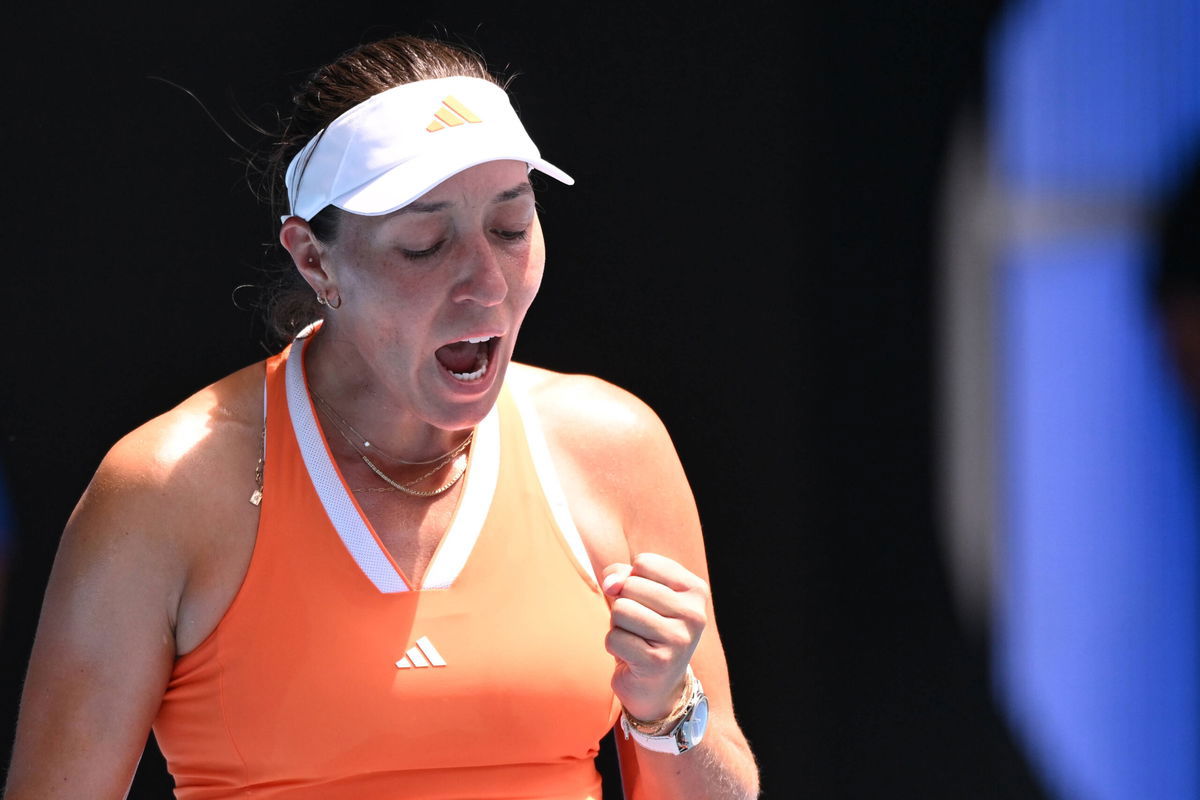
Since Friday, the Dubai Duty Free Tennis Championships have been hit by a wave of withdrawals. Ten players have pulled out, including Aryna Sabalenka and Iga Swiatek, while three others were forced to retire mid-match. The packed calendar has once again highlighted the physical strain players are facing. Now, Jessica Pegula steps forward to challenge the WTA schedule and advocate for meaningful reform.
Watch What’s Trending Now!
Jessica Pegula, the 2024 US Open runner-up, will chair a new 13-member panel. The group will review the women’s tennis calendar and key tour rules. Its goal is to propose meaningful structural changes.
The panel will examine scheduling, ranking points, and mandatory event participation. The initiative was announced in a letter on Tuesday. WTA Tour chair Valerie Camillo shared it with players and tournament officials.
Alongside Pegula are active players Victoria Azarenka, Maria Sakkari, and Katie Volynets. Azarenka is a two-time Australian Open champion. Sakkari is a two-time Grand Slam semifinalist.

Jessica Pegula: I know that the schedule is very tough, and it's not easy, and I think at some point in the year, if you do have a few good results, I think some weeks, unfortunately, do become a little bit of a sacrifice if you're thinking long term. thenationalnews.com/sport/tennis/2…
The council also includes Valerie Camillo and WTA CEO Portia Archer. Three additional tour officials are part of the group. Their presence ensures operational and policy insight.
Other members include agent Anja Vreg and tournament organizer Bob Moran. Asia-Pacific representative Laura Ceccarelli also joins the panel. Octagon Tennis executive Alastair Garland completes the lineup.
In her letter, Camillo reflected on her early months as chair. She said she has spent her first 90 days listening closely to players. Their feedback shaped the need for change.
Camillo wrote that “There has been a clear sentiment across the Tour that the current calendar does not feel sustainable for players given the physical, professional, and personal pressures of competing at the highest level.”
The statement highlighted growing concern. Player workload has become a central issue.
She also stressed the importance of collaboration: “It’s important we take a fresh, collaborative look at how to best preserve the high-quality competition that builds value for tournaments and provides an unparalleled experience for fans.”
The focus remains on balance and long-term value.
The group’s first task is to deliver practical recommendations. These proposals will go to the WTA board for review. Camillo hopes some changes can be implemented by the 2027 season.
Initially, the council will work on areas fully controlled by the WTA. It will also identify longer-term reforms. Some changes may require wider coordination across the sport.
Camillo added about Pegula, “As chair, Jessica brings an active top-player perspective to the council’s work. She will help guide discussions, so they reflect the full range of different player experiences on Tour, while working alongside tournament representatives and WTA leadership as the group works to turn these perspectives into action.”
Broader solutions will require coordination with the ATP men’s tour and the four Grand Slam tournaments, as Camillo clarified. This aims to create a more balanced and sustainable schedule.
The move comes after a high number of withdrawals and retirements at events like the Dubai Masters.
Despite that, players, including Sabalenka and Pegula, have repeatedly voiced concerns about the relentless and expanding schedule.
Jessica Pegula cites schedule strain and fatigue behind Dubai withdrawal
Jessica Pegula chose to skip the WTA 1000 in Doha last week. She wanted to rest after the AO. Later, she explained why many players avoid the Middle East swing.
Imago
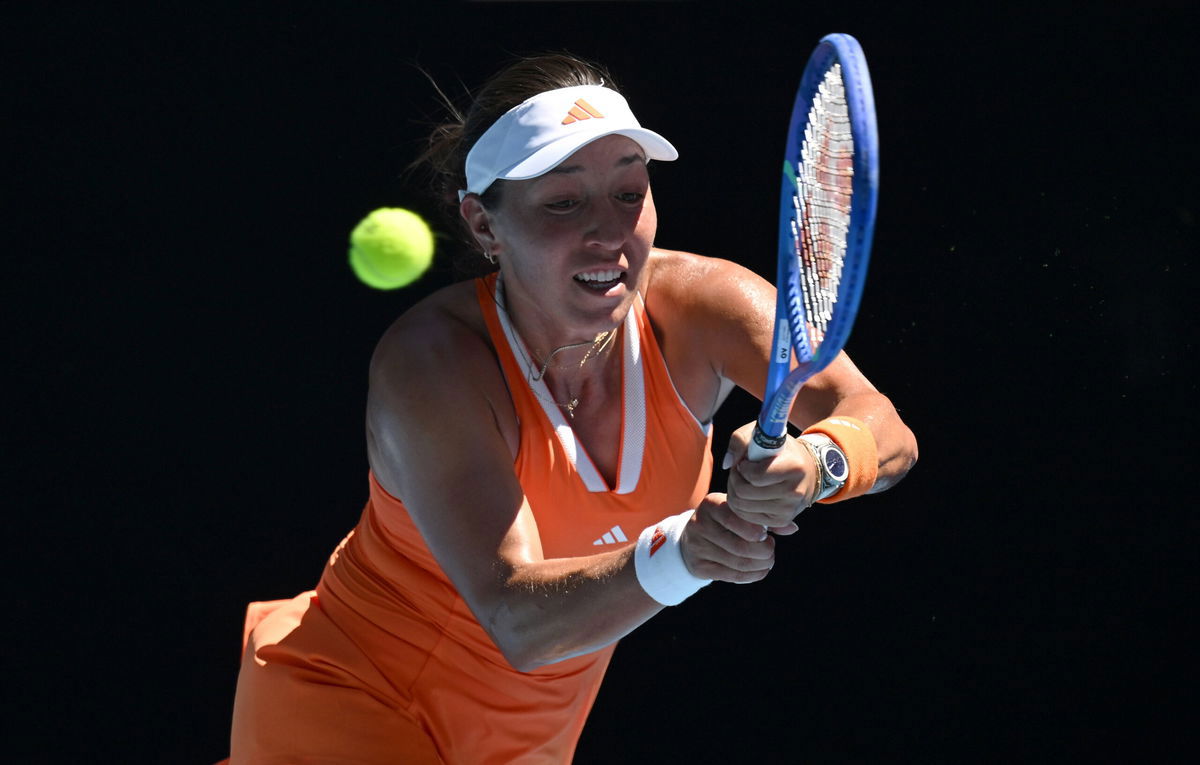
TENNIS AUSTRALIAN OPEN, Jessica Pegula of USA in action during the Womens 3rd round match against Oksana Selekhmeteva of Russia on day 7 of the 2026 Australian Open tennis tournament at Melbourne Park in Melbourne, Saturday, January 24, 2026. NO ARCHIVING MELBOURNE VICTORIA AUSTRALIA PUBLICATIONxNOTxINxAUSxNZLxPNGxFIJxVANxSOLxTGA Copyright: xLUKASxCOCHx 20260124166793069037
“I just think the way that the calendar worked this year, we got to go to Australia [a week] later, which we were all like, great, but then it catches up at some point in the year,” Pegula said. “So I think us having a week less, it definitely makes a difference.”
This referred to the Middle East swing coming immediately after the AO.
The Middle East swing began earlier than usual this year. Abu Dhabi started on the same day as the Australian Open final. Players had almost no recovery time before Doha and Dubai.
Pegula explained further, “I don’t personally know how they [the players who withdrew] are feeling physically, mentally, you never really know. But I know that the schedule is very tough, and it’s not easy. I think at some point in the year, if you do have a few good results, I think some weeks, unfortunately, do become a little bit of a sacrifice if you’re thinking long term.”
Last year, Pegula highlighted the sport’s challenges, saying, “It’s one of the toughest sports, just when you combine, not just the physicality of it, but the schedule, the loneliness, the mental side, how tough it is to go out there and compete, week-in and week-out, by yourself.”
In January, Sabalenka had noted plans to skip some tournaments. She said it was “to protect my body,” adding, “the season is definitely insane.”
With major changes in the pipeline, the question arises: will Pegula’s panel help stabilize the WTA Tour?
Many hope the council’s work will bring structure, protect players’ health, and preserve competitive quality.