
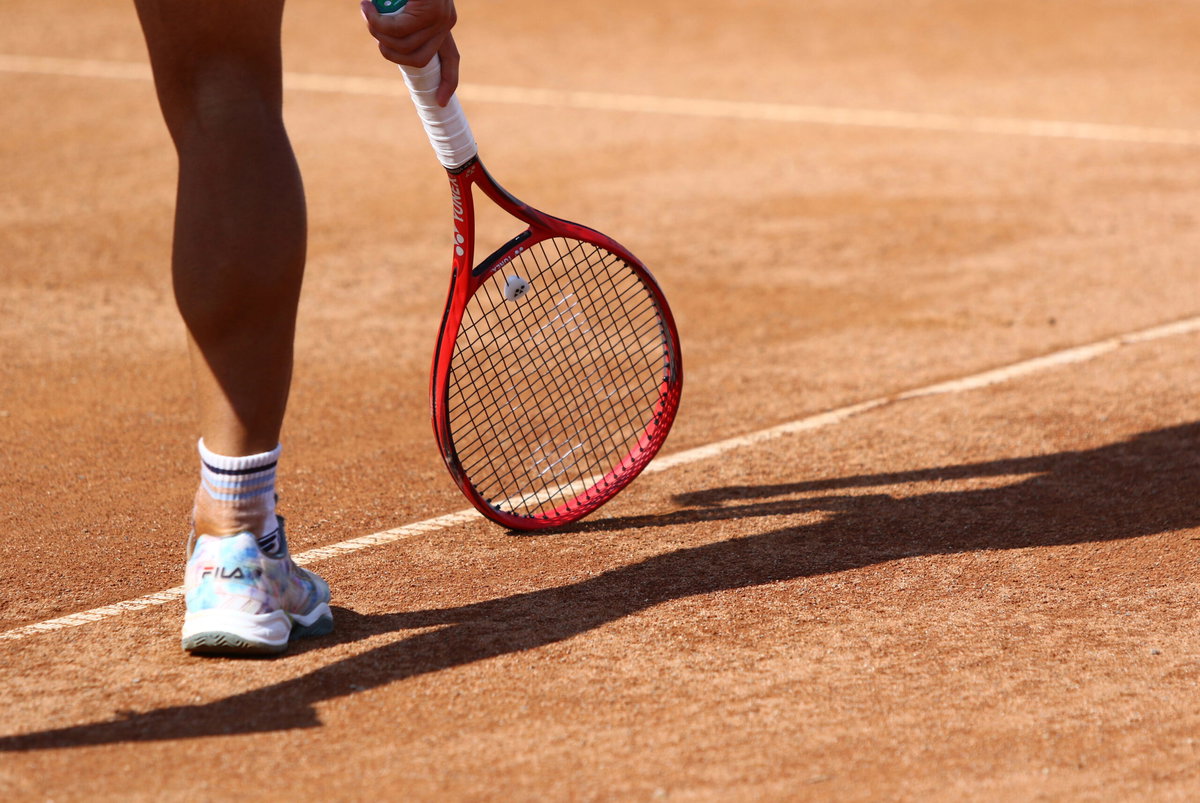
In Buenos Aires, the Argentina Open has built its identity around clay, local heroes, and a crowd that knows exactly when to roar. Now, reports of a possible switch to hard courts in 2028 have stirred up strong emotions in Argentine tennis. Former world No. 4 Jose Luis “Batata” Clerc has made his feelings clear, and his connection to the tournament goes back decades.
Watch What’s Trending Now!
“It makes me very sad that the central court in Buenos Aires is no longer clay. Why? Because it’s the cathedral of tennis, because I played there for so many years with Vilas and all the other guys. It makes me sad, but oh well, we have to keep moving forward,” Clerc said during an interview on Punto de Quiebre, the ESPN FANS YouTube channel.
Clerc’s words carry weight because the Buenos Aires Lawn Tennis Club is more than a tournament venue for him. It is a place tied to his playing career and an era of Argentine tennis that he shared with Guillermo Vilas and other national greats. The thought of seeing its central court lose the red clay feels like the end of a familiar tradition.
The proposed change is expected to take effect in 2028, with the 2027 edition potentially serving as the Argentina Open’s final tournament on clay. The event has been played on the surface in every edition since its return to the ATP calendar in 2001. However, an official announcement was still pending in the reports published in late October 2026.
Clerc understands that tennis cannot stand still forever. His closing words acknowledged the need for the sport to move forward, but that does not erase his disappointment. The former Argentine star won 25 tour-level titles, 21 of them on clay, and competed in four editions of the Buenos Aires ATP tournament. The surface is central to his career, and the Buenos Aires court holds memories that a change of playing conditions cannot replace.
The Argentina Open’s future also reflects a wider challenge for the ATP Tour. The tournament has struggled to attract some of the biggest names in men’s tennis during a February schedule that places South American clay events between the Australian Open and the hard-court tournaments at Indian Wells and Miami. A move to hard courts could make Buenos Aires more convenient for players who prefer to stay on the same surface, but it would also mark a significant departure from the event’s established identity.
Rio Open and Chile Open Could Also Move Away From Clay
Buenos Aires may not be the only South American tournament facing a surface change. The Rio Open and Chile Open have also been linked to possible moves away from clay, raising questions about the future of the region’s traditional Golden Swing. The three tournaments have long offered players a chance to compete on clay during February, but the ATP calendar is putting that arrangement under increasing pressure.
The discussion is not entirely new. In February 2025, Chile Open tournament director Catalina Fillol said organizers had been considering a surface change for years. She also confirmed that Rio Open director Luiz Carvalho supported the idea. According to Tennis.com, the tournament directors believed hard courts could help them attract players who often skip the South American swing because they do not want to switch surfaces after the Australian Open.
Fillol has also acknowledged that changes could arrive by 2028, although a final decision on the Chile Open’s surface has not been confirmed. The tournament could also adjust its place on the calendar. Rio, which holds ATP 500 status, has likewise been linked to a possible switch. For now, these remain proposals and possibilities rather than confirmed changes.
The timing is significant. A new Masters 1000 tournament in Saudi Arabia is expected to enter the ATP calendar in 2028, and its February placement could reshape the schedule for events across South America. The region has already lost the Córdoba ATP 250, and its remaining tournaments must compete for players in a crowded stretch of the season. A hard-court format could help organizers appeal to players who want to remain on the surface before the Sunshine Double.
However, changing the surface does not guarantee that the biggest names will arrive. Argentine player Federico Coria questioned that assumption during the 2025 Chile Open, arguing that the region lacks the financial backing of competing tournaments. The concern is straightforward: South American events could sacrifice a defining tradition without securing the stronger fields they hope to attract.