
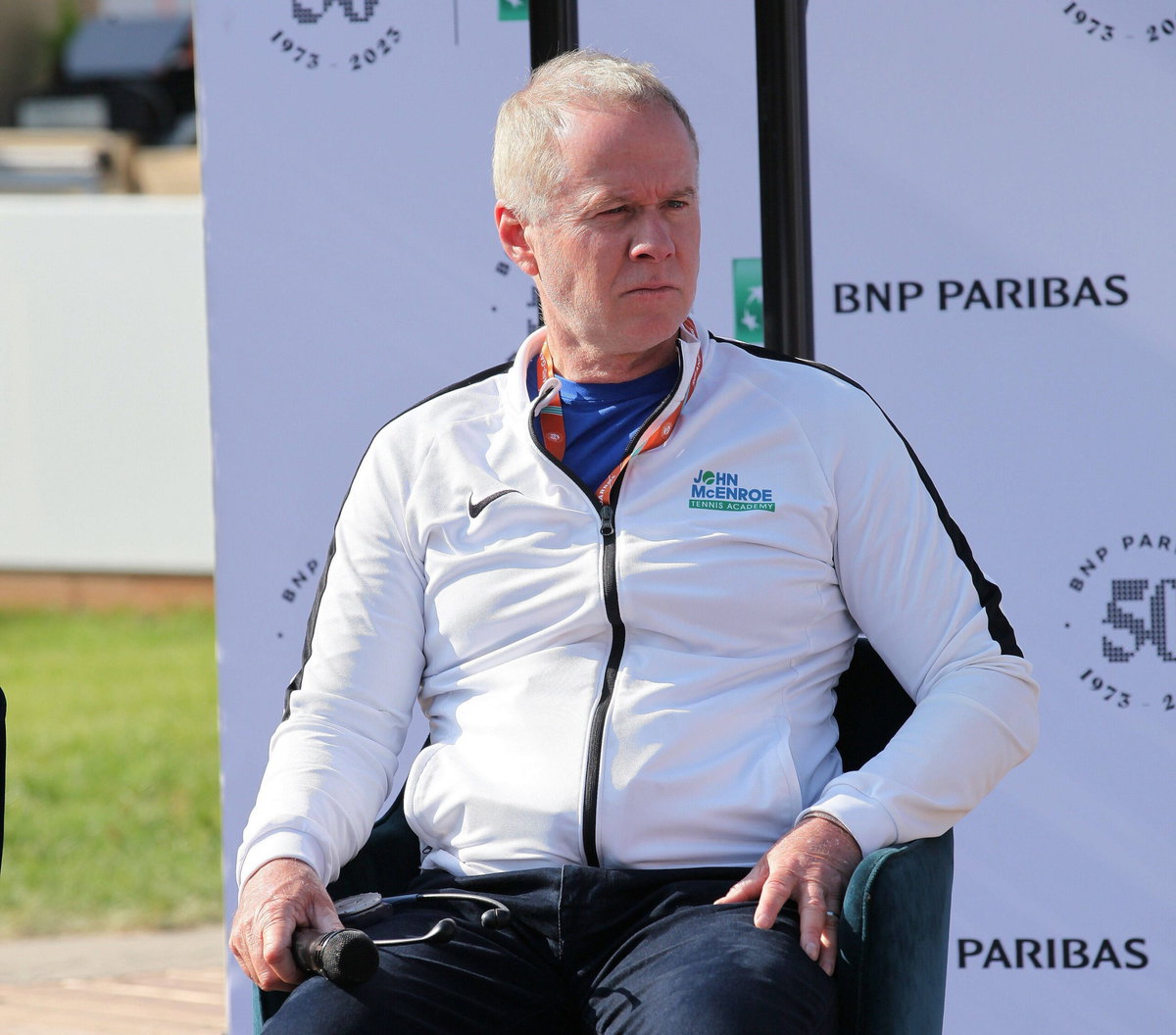
Whether in op-eds in the Wall Street Journal or on podcasts, Patrick McEnroe has strongly advocated for a greater American presence in college-level tennis within the NCAA. The former American Pro has stayed true to the cause, taking his voice to the lawmakers at the US Congress.
Watch What’s Trending Now!
“What does a 15 or 16-year-old American kid think when he or she looks around and sees college rosters filled with older, fully developed players all around the world, many of whom have professional experience?” said McEnroe at the congressional hearing. “At some point, the message changes from work hard, you might earn your opportunity, to maybe that opportunity isn’t there for you anymore.”
“For millions of kids, college sports is not a professional dream. It’s the next rung on the ladder. Take away enough rungs and eventually kids stop climbing.”
This is not the first time that McEnroe has highlighted the influx of foreign players into American university tennis programs. McEnroe had the necessary stats to back his claims, as over 60% of both men’s and women’s players at the college level are from other nations within the NCAA Division 1 in tennis, as per WSJ.
Players in other nations often lack access to the elite facilities required for their tennis development and are forced to enter the professional Tours before their time. This puts extra pressure on their bodies, along with the financial strain of sustaining a small team to play even in Challenger-level or ITF Futures events on the ATP or WTA.
On the other hand, when the same players arrive at the NCAA level after a brief stint at the tour level, they are more mature and physically developed, creating an imbalance in competitiveness with domestic players, who are still in their mid-to-late teens. This was the crux of the controversy when Italian pro Lorenzo Claverie joined the University of Florida at the age of 23.
The NCAA system is a proven infrastructure, as it has seen several notable foreign players make it big on the Tour, while US players have also praised the competitive environment of college tennis.
Foreign Players Have Tasted Success on Tour After Coming From NCAA Tennis
There has been no shortage of foreign stars who have flourished at the Tour-level after brief stints in the NCAA. Diana Shnaider was part of the University of North Carolina in 2022-2023, following which the Russian had a breakthrough 2024 season. She won four titles across three surfaces that season, also winning an Olympic silver in doubles.
On the men’s side, one of the biggest stories from an NCAA perspective was Valentin Vacherot’s win in Shanghai last year. A former student at the University of Texas, the Monagasque player went on a dream run at the Shanghai Masters last year, winning the title after entering the qualifying draw.
American players have showered praise on the college system under the NCAA, as Ben Shelton pointed out the differences between playing college tennis and Tour-level tennis. The US Open runner-up talks about how college players lacked teams at their disposal and had to be self-reliant while juggling the dual responsibilities of playing and maintaining academic grades.
“I think you’ve got to get used to dealing with a lot when you’re in college. Not everything is catered to you. Being a professional tennis player is a very self-centered job. Everything is catered to you, you know, what your team does for you,” said Shelton at the Australian Open this year. “You have all these people trying to make your life easier, and you can kind of lose sight of life, I guess. But when you’re a college player, you better keep your grades up in school and focus on school, or you’re not going to be eligible. You got other teammates who you got to uplift. And the coach isn’t just thinking about you, he’s thinking about all ten guys.”
Given the success of college tennis, it is understandable why McEnroe has made constant efforts to ensure that the main benefits of the programs remain available to young domestic players.