
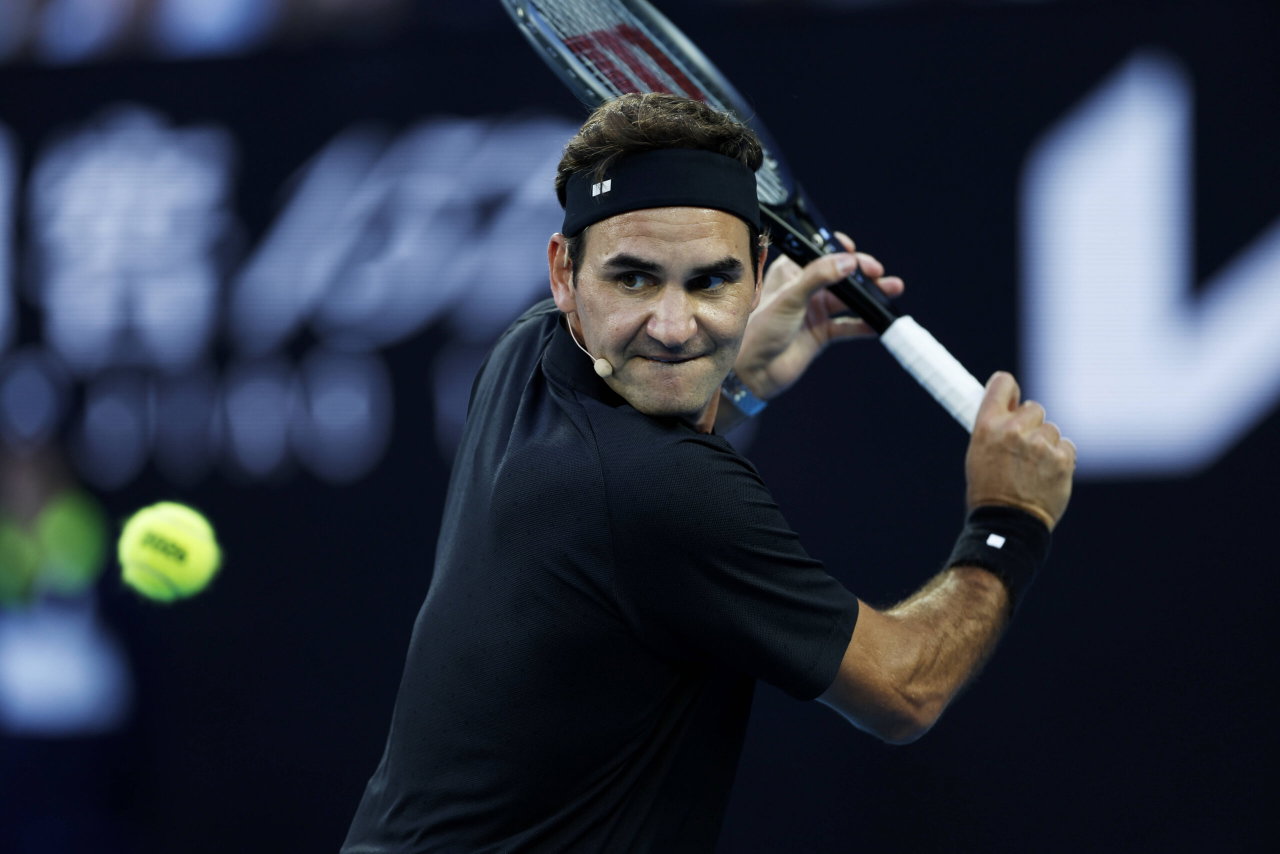
Roger Federer‘s recent return to the US Open coincided with a massive, ongoing financial dispute between the world’s top-ranked tennis players and the four Grand Slam tournaments. Top competitors have spent the entire 2026 athletic calendar demanding a significantly larger share of tournament revenues. The retired Swiss icon closely observed this mounting tension throughout the season before finally weighing in. He recently utilized a major media appearance to issue a cautious warning regarding the public perception of these aggressive financial demands.
Watch What’s Trending Now!
The 20-time Grand Slam champion explicitly addressed the prize money protests during an exclusive interview with Vogue. He emphasized the immense individual power tennis players wield through microphones and social media compared to athletes in traditional team sports. While expressing general support for revenue-sharing discussions, he firmly warned his former peers about accidentally alienating their global audience.
“It’s just important that, together, we try not to drive away fans and media by making it seem like everybody’s greedy, which I don’t think is the case,” Federer explained. His comments arrive as the current generation pushes for a highly specific, unprecedented financial restructuring.
Top-ranked players like Jannik Sinner and Aryna Sabalenka have emerged as the primary faces of this aggressive financial protest. The players are formally demanding a prize money pool that accounts for exactly 22 percent of each tournament’s total revenue, matching the standard baseline followed at regular Tour-level events. The protesting athletes adamantly insist this movement extends far beyond a simple cash grab for the sport’s wealthiest competitors.
The coalition is simultaneously demanding a dedicated pension fund for retired players and guaranteed financial stability for lower-ranked competitors. These sweeping demands also include the establishment of a powerful new governing body.
The players successfully pushed for the formation of a separate, independent player council designed to negotiate directly with the Grand Slam board regarding scheduling and prize money. This collective bargaining effort has already forced several massive concessions from the major tournament organizers. The Australian Open agreed to completely open its financial records to the players’ group to ensure total revenue transparency. The French Open subsequently agreed to implement a revenue-sharing model to appease the angry roster.
The final major tournament of the year responded to this pressure by announcing a completely unprecedented financial package.
The US Open organization announced a staggering $108 million prize purse for the 2026 edition to temporarily appease the disgruntled locker room. That massive financial commitment represents the largest prize pool ever offered at any Grand Slam event in tennis history. The US Open generated approximately $550 million in total revenue last year, meaning the revamped $108 million pool still falls slightly short of the strict 22 percent demand. American star Jessica Pegula noted that the New York organizers have remained the most open to negotiations and have actively raised additional funds for player support programs.
This open dialogue successfully prevented the current roster from repeating a disruptive tactic utilized earlier in the summer.
Top Players Have Taken a Stand With Media Protests Amid the Pay Dispute
If there was any doubt about the commitment of the top players in the pay dispute, all of it was quashed when the likes of Sabalenka staged a media protest at the French Open. The Belarusian led the way in limiting their press conference times to 15 minutes, which was the percentage of the revenue players were getting this year in prize money, despite an increase.
Similar issues were faced at Wimbledon as well, as even though the AELTC raised the total prize money by 20 percent, it fell short in terms of the revenue share that players were demanding. However, to avoid a similar player protest at SW19, the tournament and the player representatives reached an agreement, with the authorities stressing that Wimbledon is a non-profit organization, with revenues usually directed towards infrastructure and young player development.
Given that the US Open had revenue of about $550 million last year and is expected to increase this year, the revamped prize money pool of $108 million still does not meet the players’ 22 percent demand. However, the tournament has been the most open to discussion, according to top players like Jessica Pegula, and has taken measures to raise additional funds for player support, which, for the time being, has stopped players from staging any more protests.