
The Madrid Open final delivered raw theatre as Marta Kostyuk battled past Mirra Andreeva 6-3, 7-5, sealing victory with tears, a backflip, and pure emotion. As Andreeva wept into her towel, the moment captured both heartbreak and triumph in its rawest form. Yet beyond the drama, Rennae Stubbs spotlighted a deeper shift: the powerful resurgence of women coaches shaping tennis’ future.
Watch What’s Trending Now!
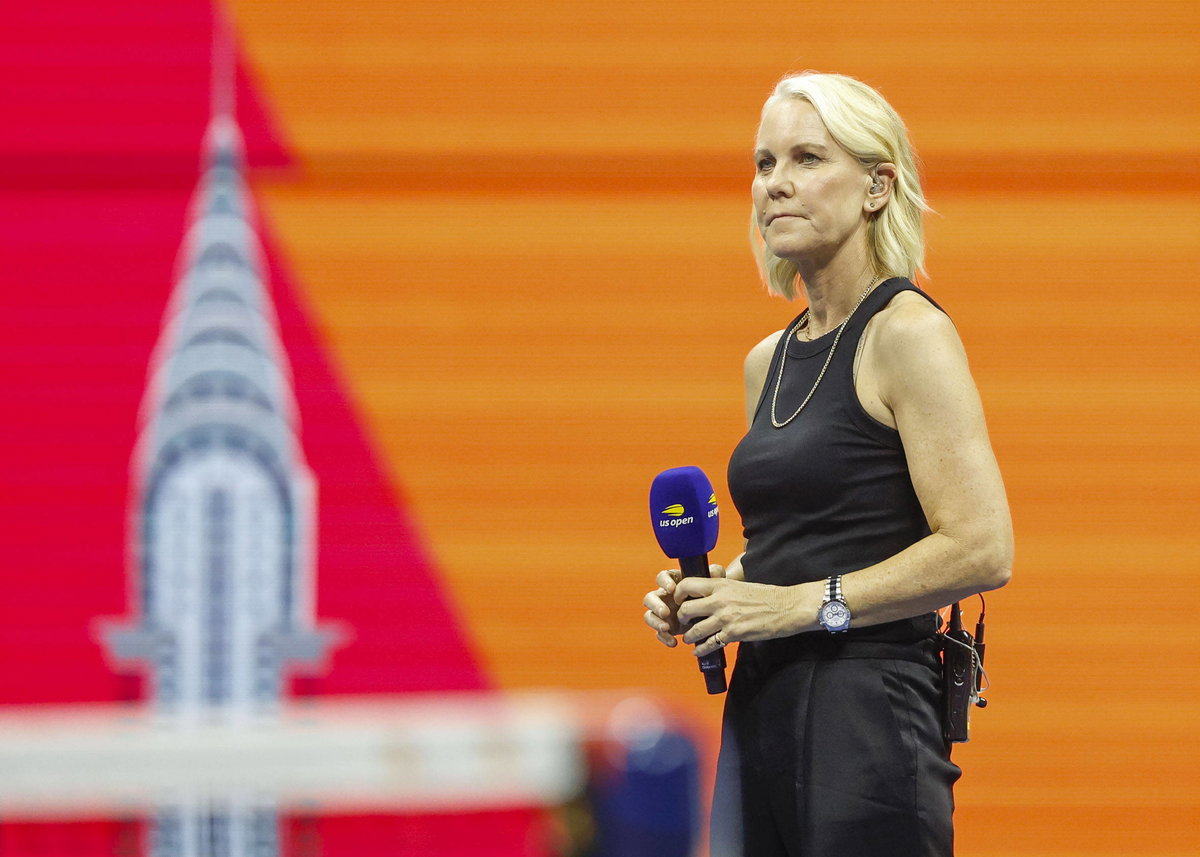
Rennae Stubbs, a former world No. 1 doubles player and longtime coach of Serena Williams, took to X to highlight a significant moment from the Madrid final. “Also want to highlight 2 female coaches in this final. Players pay attention!” Stubbs posted, drawing attention to a rarely seen dynamic at the highest level.
She went further, emphasizing the emotional intelligence and connection that female coaches can bring to the sport.
“Women understand u & can make u better! These 2 players are VERY emotional & it’s proof that MAYBE just MAYBE they know how to get the best out of U, I really wish female players would see that more!!!”

Also want to highlight 2 female coaches in this final. Players pay attention! Women understand u & can make u better! These 2 players are VERY emotional & it’s proof that MAYBE just MAYBE they know how to get the best out of U, i really wish female players would see that more!!!
Her remarks came at a crucial time, as the 2026 Madrid Open final featured two players coached by women, something that remains uncommon on the WTA Tour. Former Wimbledon champion Conchita Martínez guided Mirra Andreeva, while Sandra Zaniewska worked alongside Marta Kostyuk.
Interestingly, Andreeva and Kostyuk are the only two players currently in the Live WTA Race top 10 who are coached by women. Both coaches deserve significant credit for shaping their players’ progress, as the two athletes together hold eight career WTA titles.
For decades, coaching at the top level of women’s tennis has largely been dominated by men, making this shift particularly noteworthy.
Stubbs’ comments underline a deeper issue, suggesting that players may be missing out on the empathy, communication, and understanding that female coaches often provide.
Kostyuk’s own journey supports that perspective, as she has openly discussed the communication challenges she faced earlier in her career. “With a male coach, most of them don’t talk,” she said in 2023, reflecting on her past experiences.
Since beginning her partnership with Zaniewska, Kostyuk has found a coaching approach that helps her handle emotional pressure more effectively. That connection proved crucial in Madrid, especially during tense moments, such as her semifinal against Anastasia Potapova. In that match, Potapova’s boyfriend, Tallon Griekspoor, was actively and intensely “coaching” from the sidelines, adding another layer of pressure.
Kostyuk, however, remained composed and managed those moments with clarity, a reflection of her improved emotional balance. Andreeva has also spoken about the impact of her coaching relationship, highlighting how it has reshaped her mindset on court.
During the 2025 Australian Open, she explained, “With her, I became closer to being fearless. I feel like we are two different people if we compare me [before] and me now.”
As female coaches continue to influence the modern game, their role in shaping both performance and mentality is becoming more visible.
After the Madrid final, both Kostyuk and Andreeva expressed their appreciation and connection with their respective coaches, reinforcing the value of these partnerships.
Mirra Andreeva and Marta Kostyuk praise coaches after Madrid Open
Despite the heartbreak and the absence of a handshake, Mirra Andreeva showed remarkable composure during her runner-up speech at the Madrid Open. The 19-year-old, visibly emotional, began by acknowledging Marta Kostyuk and her outstanding performance on clay.
As she turned toward her team and player box, her voice trembled, revealing the emotional weight of the moment. “Thanks to my team for always being there for me,” she said, drawing loud applause from the crowd.
“I’m sorry, I promised myself I wasn’t going to cry. I’m just not going to look at you because it’s easier like this. I know that sometimes it might not be easy to work with me, but I greatly appreciate all your support and everything you do for me.”
On the other side, Kostyuk delivered a deeply personal reflection, opening up about the mental toll of life on tour. The 23-year-old champion admitted that she had come close to stepping away from the sport entirely during difficult periods.
Looking directly at her team, she credited them for helping her stay in the game and continue chasing her goals. “I think only we know everything we’ve been through and how many times I wanted to quit. You kept me afloat. You pushed me to keep going. That’s why I’m here today.”
As the dust settles, the impact of coaches like Sandra Zaniewska and Conchita Martínez stands out more than ever. Their work with Kostyuk and Andreeva not only shaped the final but also highlighted a broader shift in coaching dynamics within women’s tennis.
Whether this moment leads to a sustained rise in female coaching presence on the WTA Tour remains to be seen, but the conversation has clearly gained momentum.