
Both Lorenzo Musetti and Felix Auger-Aliassime managed to win their first sets in the U.S. Open but collapsed under the New York heat. And analyst José Morón was quick to point out the recurring pattern by linking this to a larger issue that continues to be overlooked.
Watch What’s Trending Now!
“Yesterday, it went unnoticed that Musetti suffered a heatstroke and Auger-Aliassime dizziness, saying he was seeing spots,” he wrote on X. “Although in NY it’s not 38 degrees like in Paris, the thermometers exceed 30 degrees with humidity close to 80%. These are increasingly frequent episodes that pose a danger to tennis players. The heat rules are obsolete and in no way adequate for what’s really happening.”
“Any day now, something serious will happen. Very serious. And it will be then that the organizations realize how badly everything was being handled,” he added.
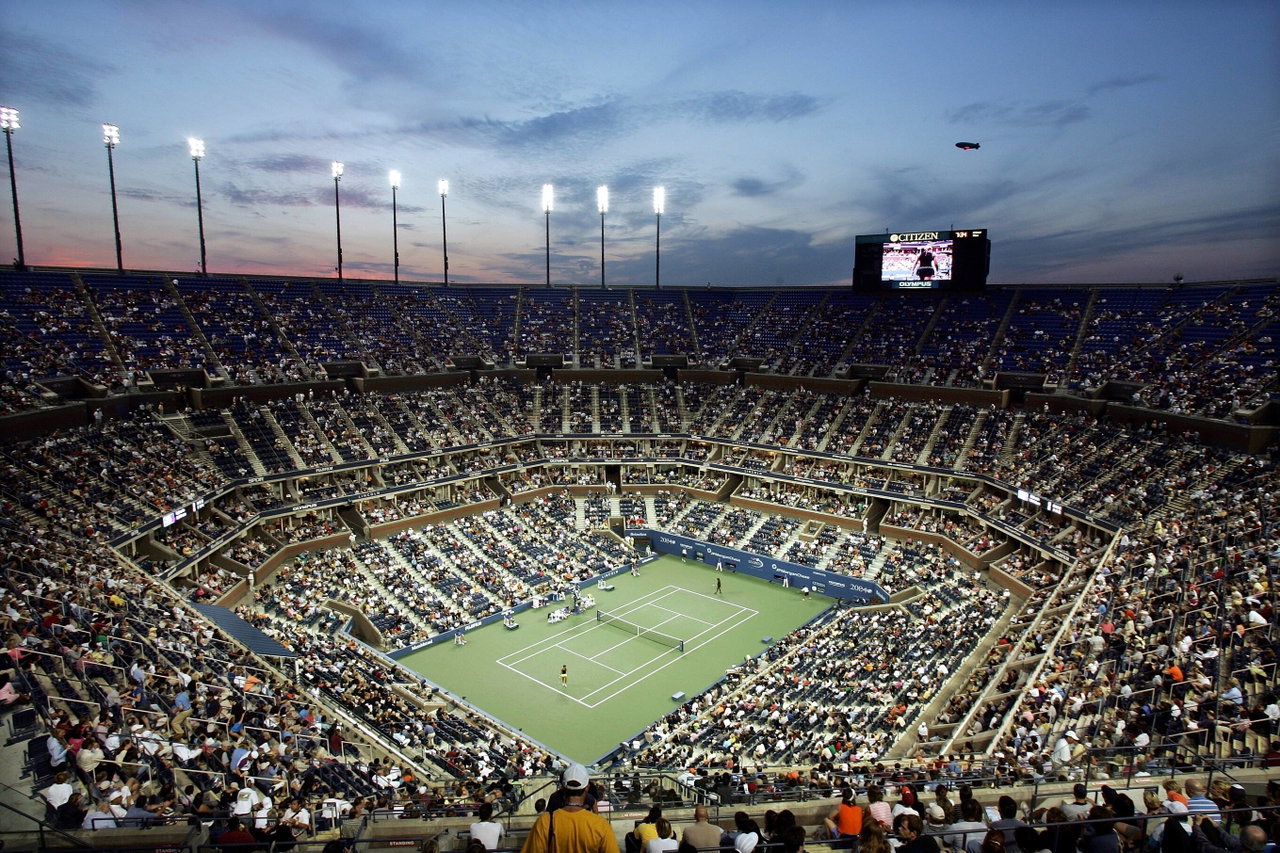
Morón’s prediction seems to be validated by what took place in the courts. The temperatures at the Flushing Meadows area reached about 87°F with 62% humidity on September 3, causing the atmosphere to reach 91°F, while the two players exhibited more than just fatigue symptoms.
13th seed Musetti had things well under control in his match against the qualifier Dane Sweeny before the heat got the better of him. Speaking at the post-match presser, the Italian explained how it happened.
“It’s hard to talk about it. It was a major shock from the temperature standpoint, and I felt it a lot. Despite the breaks I managed to take, I never regained energy or an acceptable physical condition,” Musetti said. “We tried lowering the temperature and taking in sugars, but once you cross a certain threshold, it’s hard to come back.”
Musetti has faced many physical difficulties throughout 2026 that have nothing to do with the heat factor, including the injury to his leg, which caused him to drop out of the quarterfinals of the Australian Open to Novak Djokovic, and rectus femoris problems, which made him miss the French Open tournament.
The story for Auger-Aliassime on the same day followed a remarkably similar pattern. The world No. 4 won the first set against Karen Khachanov before getting so ill that he required treatment following the match.
“I was dizzy, I was seeing dark spots, and I hoped it would go away, but it didn’t,” Auger-Aliassime said in his press conference. “I’ll undergo some tests with the help of doctors, athletic trainers, physical therapists, and nutritionists; let’s see what comes of it.”
Availability of such a medical team is part of the complaint too, since lower-ranked players are unlikely to have such support available as top ten stars. The issue is compounded by the analysis of the heat policy currently in use during tournaments.
The Extreme Heat Policy currently being used throughout the ATP, WTA, and Grand Slams uses the Wet Bulb Globe Temperature index, yet the thresholds set in the policy rarely initiate more than 10-minute breaks between sets.
Scheduling further complicates this very issue. Recently, Sascha Zverev played two consecutive matches at 2:30 AM and 2:15 AM, respectively, spending around ten hours on the court over two nights, which gives very little time to rest until the heat starts the next day.
With the ATP preparing to schedule one more mandatory event in Saudi Arabia by 2028, the load is likely to increase even further, rendering Morón’s prediction less hypothetical and more a matter of time.