
The four Grand Slams have unveiled the first details regarding the new Player Advisory Council, a committee of players representing generations of the sport, that is designed to provide a direct feedback loop for players into how the majors are run. But according to tennis journalist Ben Rothenberg, the announcement itself was never really the interesting part, as he focused squarely on what actually happens next.
Watch What’s Trending Now!
“The next question is if the player ‘input’ is listened to or heeded whatsoever,” he wrote on X, “because the Slams have operated with autonomy and impunity to this point.” His skepticism cuts to the core tension the Council will now have to navigate.
The four majors are not connected to a common commercial system like the ATP or WTA, they each have their own governance and economics. Hence, the group’s defined role is to differentiate collective matters from personal discussions regarding pay and welfare at every tournament, giving the Slams plenty of room to listen without necessarily intervening.
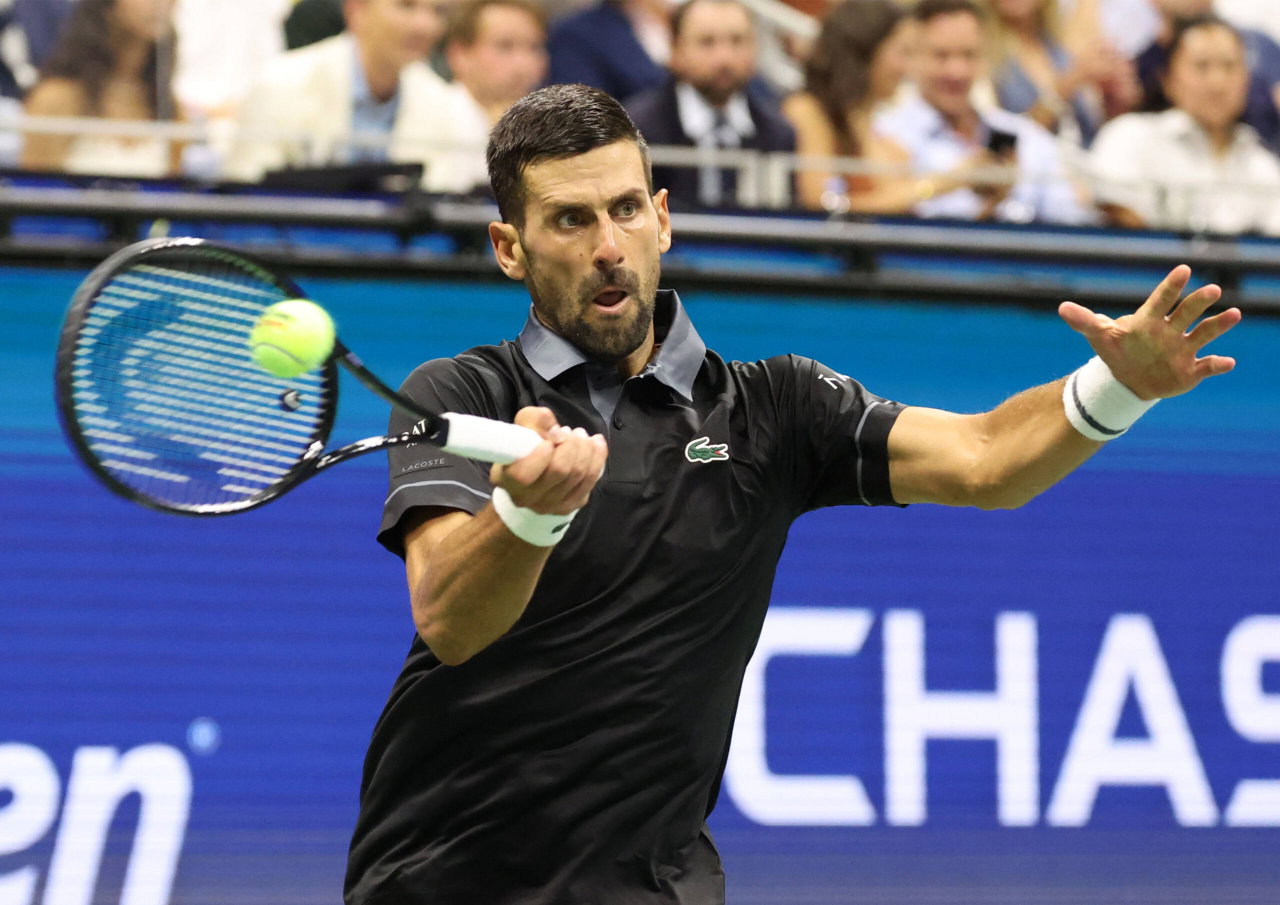
Elena Rybakina, Aryna Sabalenka, Jessica Pegula, Elina Svitolina, Iva Jovic, and Maria Sakkari form the women’s section of the Council, whereas Ben Shelton, Felix Auger-Aliassime, Novak Djokovic, Lorenzo Musetti, and Arthur Rinderknech represent the men’s section.
Imago
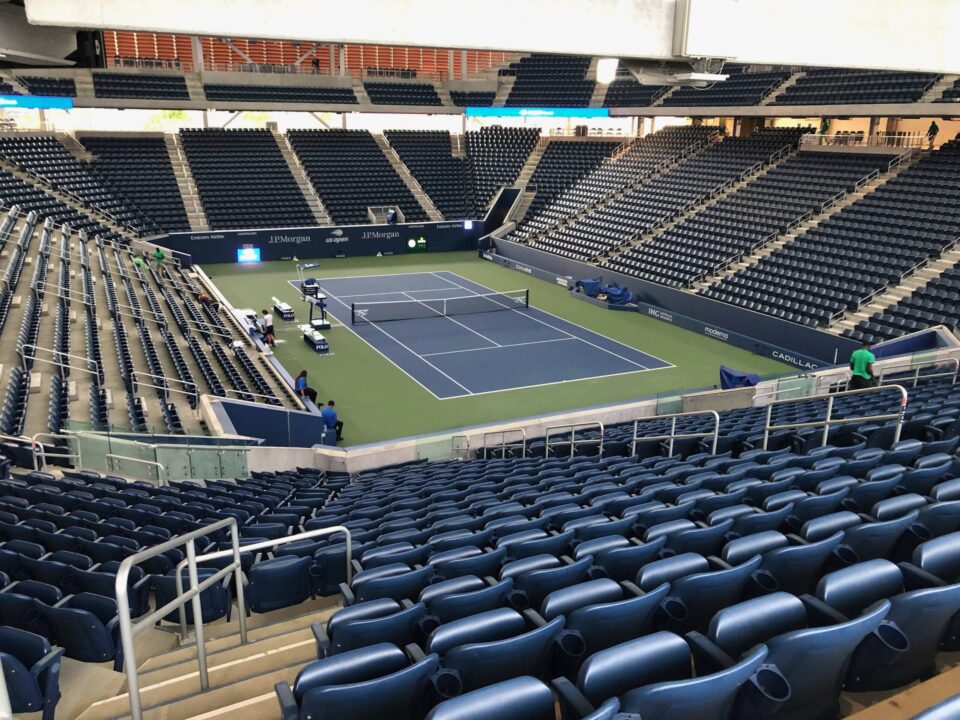
Louis Armstrong Stadium, US Open Tennis court, Queens, New York. 08/25/2022 4045_09_2022_1577 Image Credit: IMAGO / UIG
It was first revealed back in August, described by the Australian Open, Roland Garros, Wimbledon, and the US Open as a new forum for direct communication between players and tournament organizers, along with a regular channel for individual discussions on player welfare and compensation.
The timing was significant, coming the same week a USTA announced a record $108 million prize money pool for this year’s US Open, while Wimbledon’s own record £64.2 million payout came earlier in the year, both arriving against sustained player pushback for a formal revenue-sharing agreement with the majors.
Veteran journalist Jon Wertheim offered a more optimistic read on the group’s makeup itself, pointing to its wide generational spread.
“And we’re off,” he wrote. “Note the Jovic-to-Djokovic age range. This is encouraging.”
At 18, Jovic is younger than Djokovic’s own professional career, which has now stretched past two decades. Ben Shelton, one of the players named to the Council, welcomed the news when it was first announced, saying, “Having a seat at the table with the Grand Slams is something we have wanted for some time.”
Rothenberg’s skepticism is hardly unprecedented. Djokovic and Vasek Pospisil founded the Professional Tennis Players Association (PTPA) in 2020 on similar, albeit more specific, grounds: to give players a stronger voice – and to date, the PTPA has taken action against a number of Grand Slams over pay and conditions without being swayed by simple negotiation.
Even though Djokovic isn’t on the PTPA itself, his inclusion on this new Council adds fuel to the fire of how much real authority this latest attempt will have, and whether the Slams view it as a seat at the table or a box checked.