
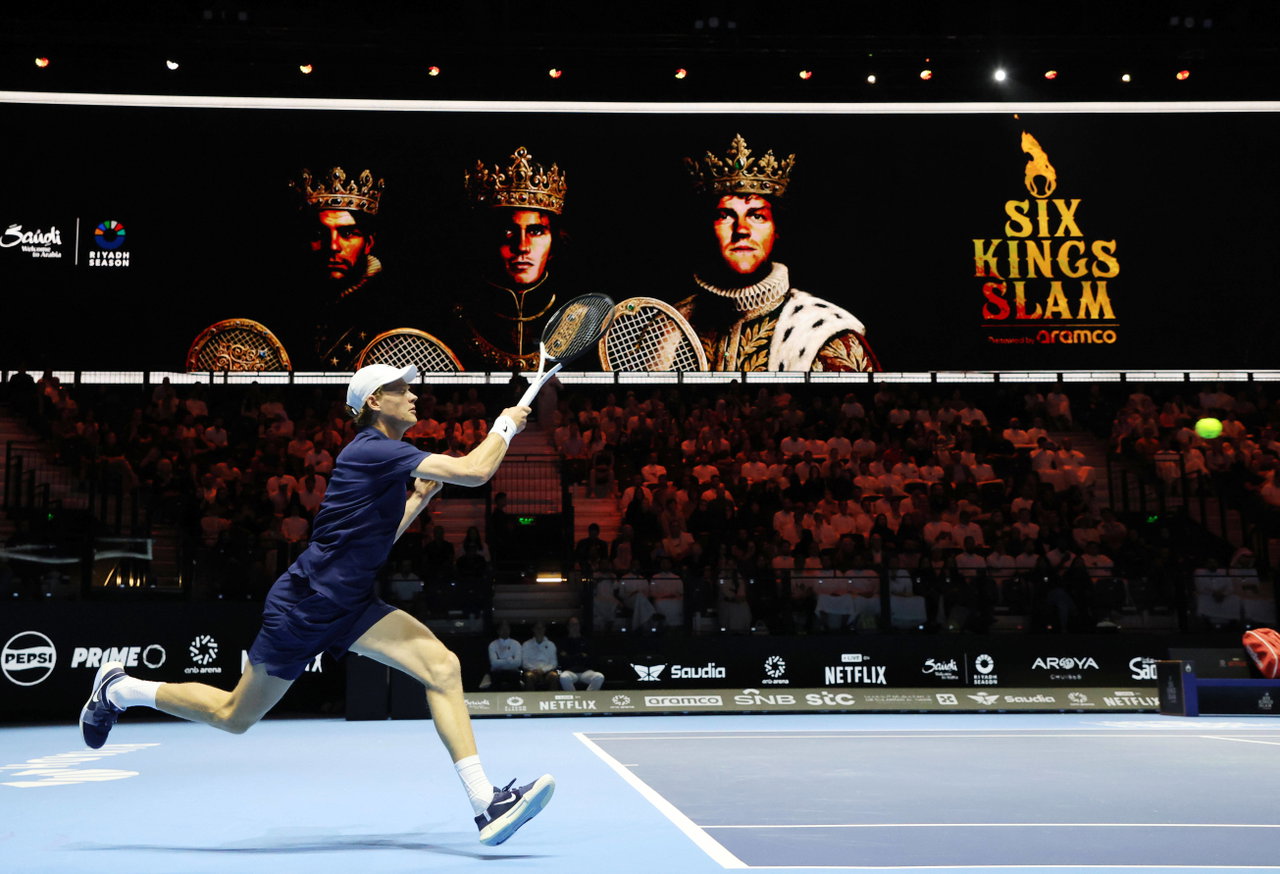
Tennis is facing a growing problem. While top players have repeatedly complained about an exhausting schedule, they continue to sign up for lucrative events outside the official tour. What once looked like a bit of off-season entertainment has turned into a serious business, with events such as the Laver Cup and Six Kings Slam attracting wealthy investors, major sponsors, and global audiences.
Watch What’s Trending Now!
The appeal is easy to understand. These events bring together some of the biggest names in tennis, offer guaranteed appearance fees, and promise substantial prize money over just a few days. For players dealing with a packed calendar, that can look far more attractive than spending another week grinding through a conventional tournament.
But the rise of these private events raises questions about the future of professional tennis. Organizers can handpick their lineups, build matchups around star power, and sell broadcasting rights without following the structure of the ATP and WTA tours. That creates new opportunities for the sport, but it could also leave traditional tournaments fighting harder for players, viewers, and sponsors.
The issue is no longer whether exhibition tennis can attract an audience. It already has. The bigger question is whether these events can continue growing without undermining the tours that made their biggest stars household names.
Financial Differences, Busy Calendars and Players Changing Their Goals
Money is a major reason exhibition tennis has become so attractive. On the ATP and WTA tours, players generally have to earn their way through each tournament. Prize money depends on their results, and even a deep run can require several demanding matches over the course of a week or more.
Winning a Grand Slam requires a player to get through seven matches over two weeks, with the prize depending on the tournament. In 2025, singles champions received A$3.5 million at the Australian Open, €2.55 million at the French Open, £3 million at Wimbledon, and $5 million at the US Open. Those are substantial rewards, but they come after a demanding tournament run rather than simply showing up.
The Six Kings Slam offers a very different proposition. According to the event’s published prize-money figures, each participant receives $1.5 million just for taking part, while the winner earns an additional $4.5 million. That guaranteed payout makes a short exhibition an appealing option, especially for players whose careers at the top of the sport may not last forever. The financial risk is also lower than at a conventional tournament, where an early defeat can end a player’s run before they have earned much prize money.
This creates an awkward contrast with the growing complaints about the tennis calendar. Carlos Alcaraz has warned that the packed schedule is “going to kill us in some way,” while Alexander Zverev has also raised concerns about the physical demands placed on players.
A short exhibition can offer a guaranteed payday and a smaller number of matches. Players may also receive premium travel and accommodation arrangements. The traditional tour, meanwhile, requires them to navigate a much longer calendar, with ranking points and tournament commitments shaping their decisions.
That does not mean exhibitions are automatically easier on the body, or that players can take part without consequences for their recovery. It does, however, help explain why some are willing to accept these invitations despite their concerns about workload.
The difference also exposes a problem for the established tours. If players believe the regular season leaves too little time to recover, yet find the financial terms of private events difficult to turn down, simply asking them to play fewer tournaments may not be enough. The ATP and WTA have to consider whether their schedules and compensation structures remain attractive to the players who draw the biggest audiences.
Big Changes in the Business, Investor Control and the Risk of the Sport Getting Split
The exhibition boom is changing who gets to shape tennis’s biggest matchups. Traditional tournaments need strong player fields to sell tickets, attract sponsors, and secure broadcasting deals. That can be challenging for smaller ATP 250 and 500 events, as well as WTA tournaments that depend on the presence of a few top names.
Private organizers approach the business differently. Rather than relying on a full tournament draw, they can invite a select group of stars and build an event around matchups fans already want to see. A lineup featuring Novak Djokovic, Jannik Sinner, or Carlos Alcaraz gives broadcasters and sponsors a clearer selling point from the outset. Shorter formats can also make these events easier to package for television and streaming audiences.
For investors, that is an attractive proposition. They can concentrate their spending on a handful of high-profile players instead of financing a full tournament, while fans get several days of headline matches. Events in the Middle East and other expanding markets can also introduce tennis to audiences who rarely get the chance to watch the sport’s biggest names in person.
There is a reasonable case for welcoming that growth. Exhibition events can bring fresh investment into tennis, create new opportunities for players, and take the sport to places that receive limited attention on the traditional calendar. They do not necessarily have to be in direct competition with the tours.
The concern is what happens if the commercial incentives begin pulling in the opposite direction. An invitation-only event does not have to provide opportunities for lower-ranked players, reward a strong season, or follow the same competitive structure as a ranking tournament. Its priority is to attract an audience, and that usually means spending heavily on established stars.
That leaves the sport with a potential divide. The leading players can earn substantial sums from a small number of private appearances, while those outside the top tier still depend on regular tournaments to build their rankings and cover the costs of competing. Smaller events could also struggle if they lose the players who help attract spectators and sponsors.
Over time, the tours risk losing some of their influence over when and where the biggest names play. If private organizers can offer more money for fewer matches, they have a strong incentive to keep expanding. And if broadcasters and sponsors follow the star power, the traditional circuit could find itself competing for attention during periods when it once had a much firmer hold on the sport.
For now, the ATP and WTA still have advantages that exhibitions cannot easily replicate. Their tournaments provide ranking points, a route through the professional game, and the history and prestige of established competitions, particularly the Grand Slams. A private event can stage a compelling matchup, but it cannot offer the same path to becoming a Grand Slam champion or reaching World No. 1.
The challenge for tennis’s governing bodies is to make the official circuit worth committing to. That means taking player workload seriously, reviewing how revenue is distributed, and finding better ways to present the sport to broadcasters and fans. Simply opposing exhibitions would ignore why they have become so appealing in the first place.
Exhibition tennis does not need to replace the tours to change the balance of power. If the biggest names increasingly treat private events as essential earning opportunities, the established circuit will have to work harder to retain their commitment. The next few years will show whether both models can coexist or whether the tours will have to rethink how they reward and schedule their players.