
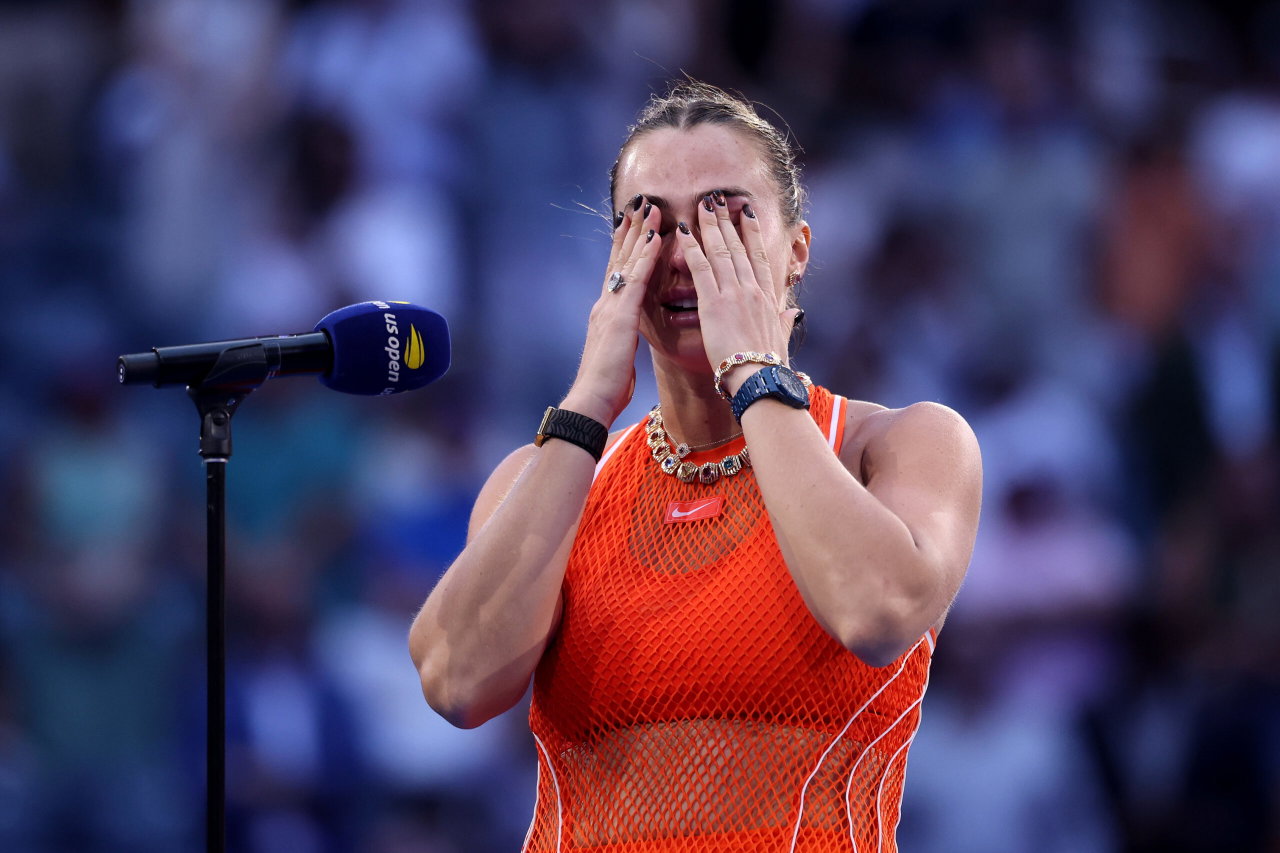
Elite tennis careers are now ending a decade earlier than they did twenty years ago. Modern tennis once allowed supreme athletes to compete into their late thirties, a feat exemplified by Rafael Nadal, Roger Federer, and Novak Djokovic. Today, that longevity is rapidly disappearing under the crushing weight of an unrelenting schedule, brutal hard court surfaces, and rigid tour regulations.
Watch What’s Trending Now!
Yet while sports science and recovery techniques have advanced, players are retiring five to ten years earlier than their predecessors. The present form of tennis is requiring more and more from the body while offering ever less in the way of recovery, forcing even young stars to reconsider their long-term futures.
The primary crisis breaking across professional tennis is a grinding calendar that now forces an endless cycle of physical damage. Today’s players cannot sustain careers into their late thirties as Nadal, Federer, and Djokovic once did because the tour leaves virtually zero time to heal. With the season spanning 11 months and mandatory events stacking up, players face constant muscle tears, joint injuries, and stress fractures that accumulate until the body eventually breaks.
The Tiring Calendar and Rushed Recovery
The tennis season now lasts for eleven months, running from early January until late November. The ATP and WTA now run two-week tournaments with 96-player draws, keeping players on site longer, disrupting training, and accumulating fatigue.
The constant travel across continents and time zones has a negative effect on their readiness. Carlos Alcaraz stated this clearly when he said that the schedule is “going to kill us”. He added that including mandatory events on a calendar that is already full only serves to increase injuries.
This relentless schedule creates an endless cycle of damage. The players suffer repeated injuries, including muscle tears, joint injuries, and stress fractures. If the athletes do not have a break lasting more than three or four weeks, the minor injuries won’t heal; they accumulate until the body eventually breaks.
The Brutal Hard Court Monopoly
Hard courts dominate both ATP and WTA tours today. They are harsh on the body unlike clay, which enables sliding and reduces impact, or grass, which exerts less force.
Because hard courts are cheaper to maintain, they dominate the tour schedule, despite their severe injury toll. Hard courts are both rigid and have a high coefficient of friction. Because players have to slide on them, this results in sudden stops that damage cartilage and place strain on ligaments. Studies in biomechanics have found that these surfaces raise the risk of injury to the knee, hip, ankle, and back.
The sliding motion, which was made popular by baseliners, results in violent stops. Such stops cause damage to the joints and to the connective tissue. Since the tour does not alter the surface composition, the athletes will continue to damage their bodies just in order to play.
The Pressure of Mandates and Financial Profit
Players don’t choose to play injured, but the rules force them to. Both the ATP and the WTA mandate that players take part in various events, including the Grand Slams, the Masters 1000s, and top-level tournaments.
If a player fails to take part in these events, then they receive no prize money. Moreover, they earn no ranking points, which in turn lowers their standing. Top players such as Aryna Sabalenka and Iga Swiatek have already been victims of these rigid rules.
Lower-ranked players suffer even greater pressure. A player who is not in the top 50 cannot afford to miss any matches. In tennis, players are independent contractors, meaning no week of play brings in guaranteed income. Therefore, when injured, they play through the pain. The desire to keep their points and maintain their rankings takes precedence over safety. As a result, players are driven into routines that are harmful to their bodies.
Early Burnout and Accelerated Attrition
Currently, young players are at risk of injury earlier than in the past. The use of modern rackets, polyester strings, and the need for powerful play results in fast shots and strong rotational forces. Teenagers entering the game have to cope with the same level of physical demand as adults.
Consequently, young athletes end their careers due to injuries that occur before their bodies have fully matured, retiring earlier than previous generations. Ashleigh Barty retired at twenty-five due to the overwhelming travel and emotional pressure, while Garbiñe Muguruza retired early due to chronic pain and burnout. Former world number one Andy Roddick claimed that the current power game and the heavy use of hard courts make it impossible to have a prime period lasting fifteen years. Long careers are now rare rather than the norm.
Schedule Adaptation and Early Season Ends
The top players are now taking steps to look after their bodies. A number of them are ending their seasons prematurely. Those who play into November take time off to recover, omitting late-season tournaments and giving up ranking points in return for health.
Alcaraz has stated that players should take breaks and miss out on tournaments since it is not feasible to compete continuously throughout the year. Djokovic has proven this approach works by concentrating mainly on the Grand Slams and avoiding other events, enabling him to remain competitive longer than other players. However, this strategy can only be adopted by those with financial security. Players with lower rankings cannot afford to skip tournaments without risking their spots at Grand Slams.
Rebuilding a Future for Professional Tennis
The authorities have to acknowledge that the present system is causing athletes to suffer. If athletic careers are to be maintained for ten to fifteen years, then real reform is necessary, not just minor adjustments.
The ATP, WTA, and Grand Slam authorities have to agree on a season break that lasts at least eight weeks. Two-week Masters tournaments should be shortened, and players should be given greater control over their own schedules. The tours must cease penalising players who take a rest; zero-point rules penalise recovery and are inherently unfair.
Failing to adjust the calendar and the rules, tennis will continue to shorten the careers of its top players. While tournaments make a profit, they do so by exhausting their athletes. If the tours do not take steps to protect player health, early retirements and shorter seasons will become the norm, making the sport less sustainable for everybody.