
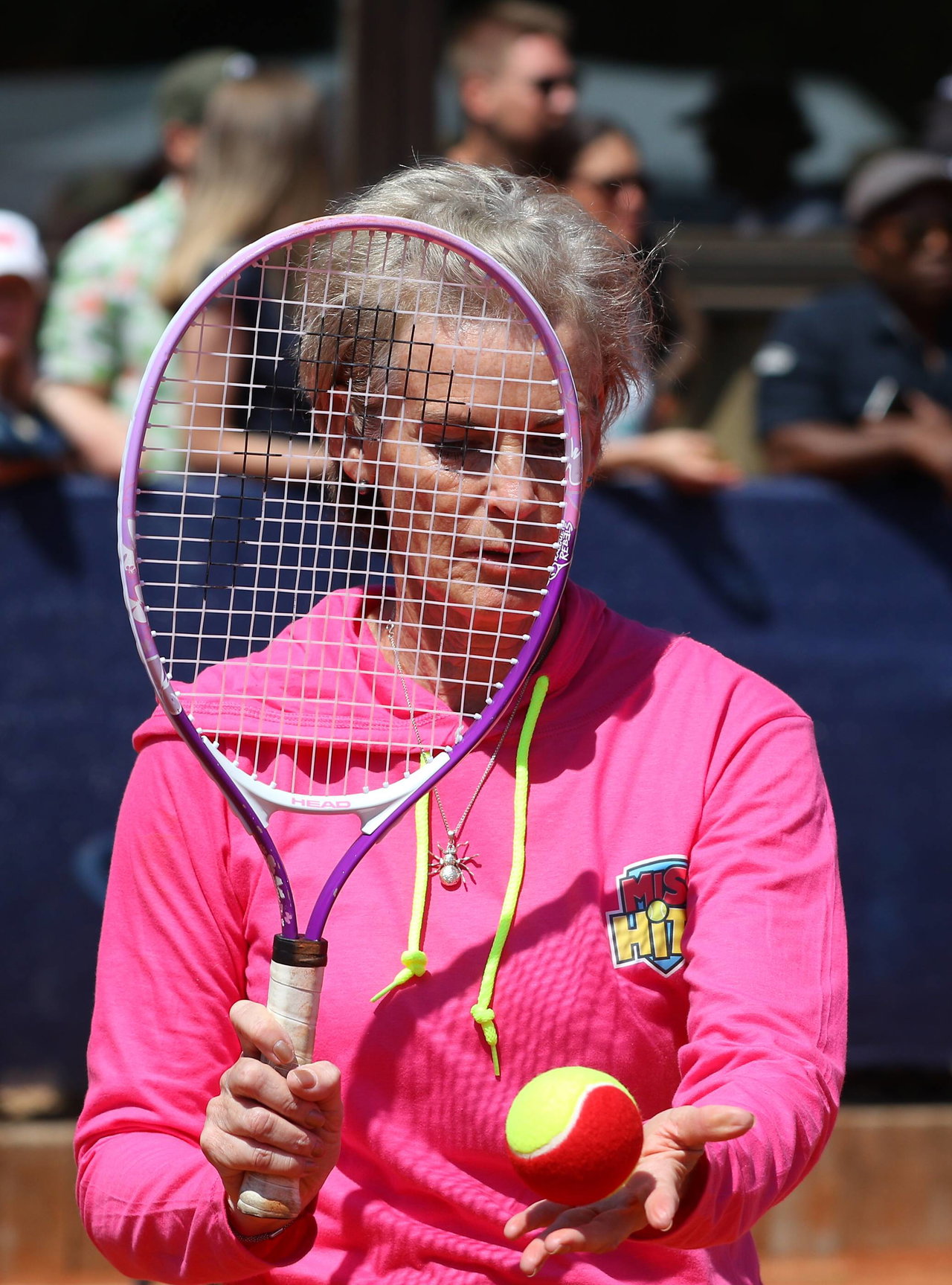
Being a former coach gives you a great perspective on how the players are being developed. And for Judy Murray, it was a first-hand experience while she coached both her sons, Jamie and Andy Murray. But her concern is that nothing has changed in British tennis since then, and Ben Shelton‘s US Open run put that glaring issue into the spotlight.
Watch What’s Trending Now!
““We are as good as our coaches” says USTA Coaching. It’s about time @the_lta and @tennisscotland prioritised investment in its coaching workforce and its clubs,” wrote the former coach on X. “Too much ££ and time being wasted on projects that bear little fruit.”
Ben Shelton’s US Open run has put American tennis and its coaching system under the spotlight for all the good reasons. But his success also brings back a concern Judy Murray has raised about British tennis. Shelton lost the first set against Carlos Alcaraz before taking the next 2 sets and eventually defeating him to make the US Open final.
What made Shelton’s run even more interesting was the coaching support behind his rise. His father, Bryan Shelton, has been beside him throughout his career, helping guide him through difficult moments.
The USTA has also expanded its coaching programs to support parents, coaches and young players. The focus is on creating better environments where players can learn, compete and continue enjoying tennis.
That American approach is exactly where Judy Murray’s long-standing concerns about British tennis return.
She has spent years questioning whether Britain gives young players enough coaching and support.
“If we have more better coaches, we’d have more better players,” Judy said while calling for greater investment in the tennis setup. For her, the problem has never been about finding talent, but helping that talent become a challenger at the global stage.
That issue became personal when Andy Murray was trying to develop into a professional player. At 15, Andy needed £35,000 to train at the Sanchez-Casal Academy in Barcelona. The LTA offered £10,000, leaving Judy and her family facing the rest of the cost.
She later described the period as a “horrendous financial struggle” during Andy’s development.
That experience also convinced Judy that young players cannot all follow the same path. Andy needed Barcelona, while Jamie Murray eventually followed a different route through Paris.
“It’s not a one-size-fits-all,” Judy said about the way players develop.
She has argued that different players need different coaches and environments as they move forward. And if not given, they might not achieve their potential.
Those concerns returned after Britain’s junior results at Wimbledon raised another major concern.
Judy pointed out that all 11 British teenagers lost their opening junior singles matches. She also noted that no Scot made the junior singles draw for a second straight year.
“The pathway is flawed,” Judy wrote, urging British tennis to invest in clubs and coaches.
Now, Shelton’s journey has given Judy’s argument another American example to point toward. He reached the US Open final after beating Alcaraz and Frances Tiafoe on his way there. His progress showed fans how important coaching and the environment that is given help a young player.
For Judy, British tennis still has to find a better way to give its young talent that same chance.
Judy Murray has a plan to improve British Tennis’s infrastructure
Judy Murray has already made her concerns about British tennis clear, but she also has ideas for change. She believes the current pathway puts too much focus on centralized systems instead of local development. The former coach wants Britain to invest more heavily in clubs and coaches across the country.
Murray’s argument is simple, as she once said, “Invest in clubs + coaches. Not centralised systems.”
What Murray wants next is a system that gives promising teenagers better opportunities outside Britain. She believes players around 15 may need international environments when local options no longer give them the exposure they need. Andy Murray’s move to Barcelona became an example of that approach during his development.
But international opportunities are only part of what Murray believes needs to change.
She also wants children to have access to tennis before anyone starts identifying future talent. Park courts, school facilities, coaching costs and travel can make that difficult for families. Murray’s own programmes have tried bringing tennis into schools and connecting children with clubs.
That approach gives children a chance to play before the system decides who matters.
The bigger change, however, could come from rebuilding Britain’s club culture around regular tennis. Murray remembers clubs where children played matches, joined teams and stayed beyond their coaching sessions. She believes tennis became too focused on scheduled coaching instead of creating stronger local communities.
That is why her plan starts early in careers, with clubs, coaches, and schools making things easy.