
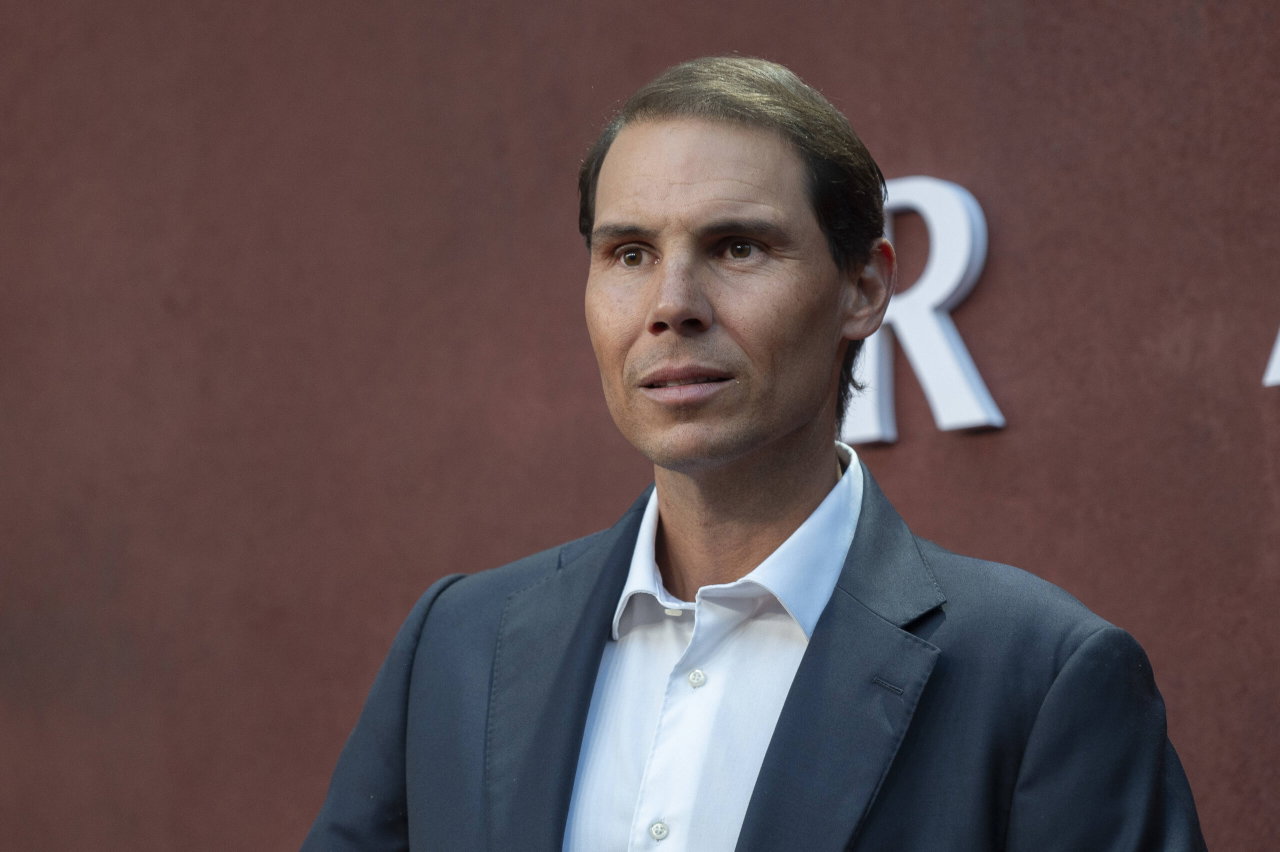
For years, Rafael Nadal held back on one argument because he knew how it would sound coming from the greatest clay-court player in history. Two years into retirement, he no longer has that problem, and he has laid out a blueprint for how he thinks tennis should change.
Watch What’s Trending Now!
Speaking to The Associated Press from his home in Mallorca, the 22-time Grand Slam champion renewed his call for the rankings to be rebuilt. He wants tennis to follow golf and use a rolling system based on two years of results instead of one.
“I propose implementing a ranking system based on results from the past two years, rather than just one,” Nadal stated. “It would give players a little more freedom to make better decisions. When you get injured, you have more time to recover without your ranking position plummeting”.
He has waited for the longest time to join the surface debate. Nadal was asked whether he wished there had been fewer hard-court events during his career.
“It was difficult for me to fight for that when I was on the tour,” he admitted, knowing people would have assumed he was trying to cash in on his dominance on clay. He feels free to say it now. “I don’t see a lot of professional sports playing on that kind of surfaces. That’s the truth. In tennis, we’re playing most of the time in a very, let’s say, aggressive surface for the body and for the joints. And then we pay the price.”
Imago
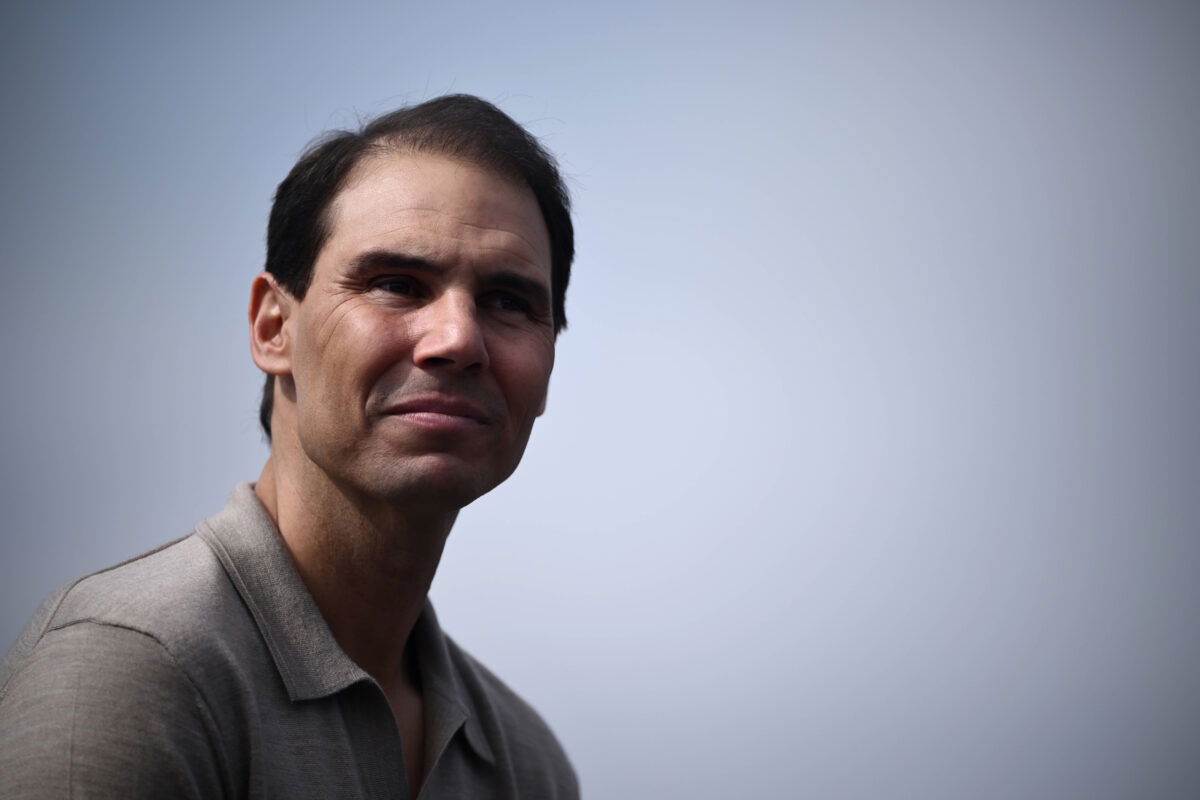
TENNIS AUSTRALIAN OPEN, Spanish former tennis player Rafael Nadal speaks during a branding partnership event during Day 14 of the 2026 Australian Open tennis tournament at Melbourne Park in Melbourne, Saturday, January 31, 2026. NO ARCHIVING MELBOURNE VICTORIA AUSTRALIA PUBLICATIONxNOTxINxAUSxNZLxPNGxFIJxVANxSOLxTGA Copyright: xJOELxCARRETTx 20260131166489562820
Nadal has been through the most amount of physical suffering on the tour, and this season has shown that how it can be taxing for other players as well.
In the current ranking system, if a player skips a few months, he will drop off the rankings before he gets a chance to bounce back. Nadal’s solution is to eradicate that fear.
He tied the ranking problem directly to the calendar. The Spaniard explained why top players keep competing in smaller tournaments alongside the big ones.
“The problem with the current system is that it creates pressure: you know you have to defend last year’s points, and if you miss a tournament, you seriously hurt your ranking position,” he said.
He also lashed out at one of the ATP’s most controversial decisions in recent years, the two-week Masters 1000 extension. All of those changes are in response to the same issue: a tour that demands too much from the players on it.
Why Nadal’s proposals land differently in 2026?
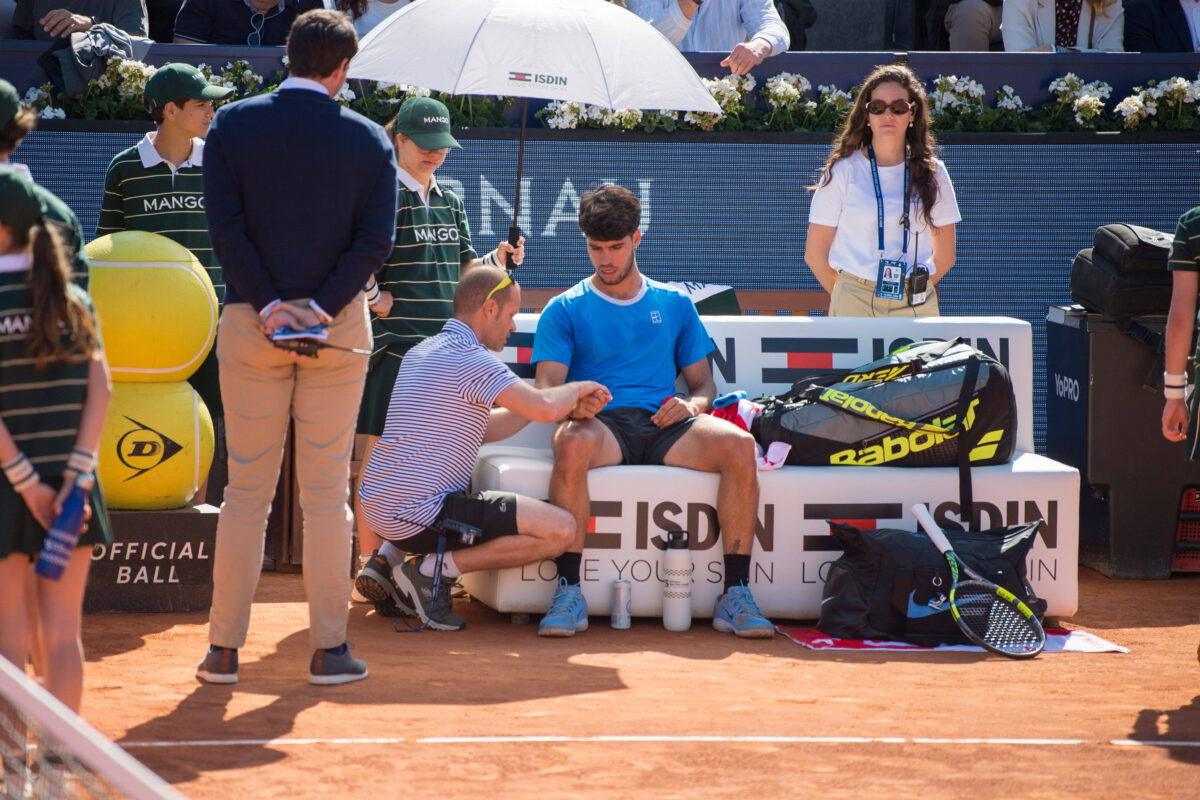
Jannik Sinner has not played since winning Wimbledon in July because of a knee injury that ended his season. Carlos Alcaraz missed the majority of the clay and grass swings with a wrist problem. The two best players of their generation have both lost months of 2026, and their absences reshaped the race for the world No. 1 ranking.
Imago
April 14, 2026, Barcelona, Spain: CARLOS ALCARAZ gets medical attention for his wrist during a match against OTTO VIRTANEN in the Barcelona Open Banc Sabadell 2026. CARLOS ALCARAZ won the match 6-4 6-2, but withdrew from the competition due to a wrist injury. Barcelona Spain – ZUMAr159 20260414_mda_r159_135 Copyright: xPatriciaxRodriguesx
Nadal’s own career was a long negotiation with his body, from the chronic pain in his left foot to hip problems and hand surgery last year, much of it shown in his Netflix documentary “Rafa.”
The two-year ranking idea is not new, and has cost him before. Nadal pushed for it while he was still playing, and he resigned from the ATP Player Council in 2012, reportedly after the plan failed to gain support. Roger Federer, who was then the council president, disagreed because it would create difficulties for youngsters trying to climb the ladder.
Journalist Jon Wertheim has described it as the biggest dispute the two ever had, but it did no lasting damage. Nadal told AP that he and Federer are now in “almost weekly contact.”
On the Masters 1000 format, he has plenty of company. Seven of the nine events now run over 12 days, with only Monte-Carlo and Paris left as one-week tournaments. Sinner, Alcaraz, Novak Djokovic and Zverev have all criticized the change. Zverev put it most bluntly last year, saying he had not heard “a single player say that they love the two-week Masters events.” ATP chairman Andrea Gaudenzi has defended the model and requested time to allow it to work.
Nadal holds no formal role in the sport’s politics, so none of this will change anything by itself. But he turned 40 in June, heads an academy which has six players in the top 100, and still commands attention every time he speaks. When one of the sport’s toughest fighters says that the tour is hard on its players, it’s difficult to ignore that.