
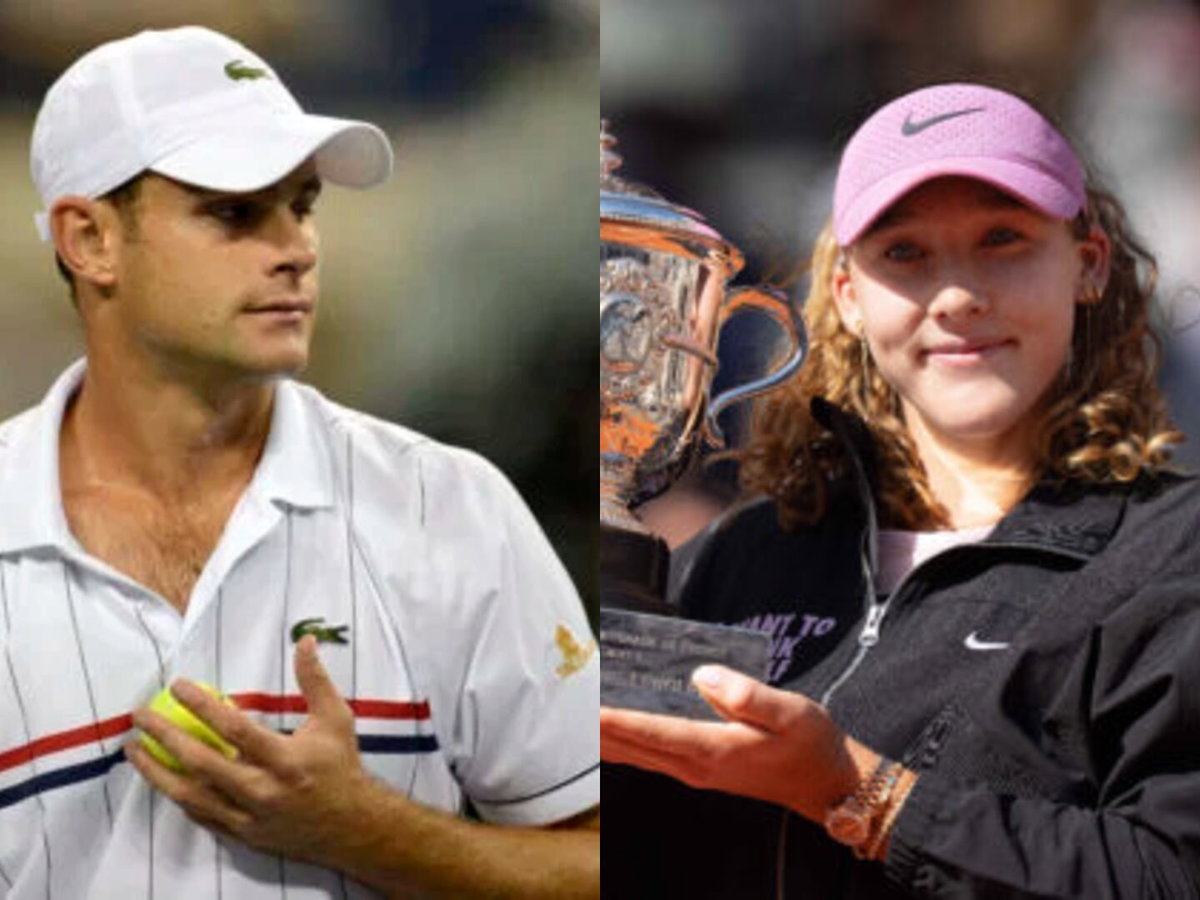
Mirra Andreeva walked off Philippe Chatrier last weekend as a Grand Slam champion at 19 and the youngest woman to win Roland Garros since Monica Seles in 1992. The result was striking enough on its own, but for former ATP Pro Andy Roddick, it was a sign of a generational shift that he’s been observing for months.
Watch What’s Trending Now!
“Another story of this tournament was a youth movement in a big way,” Roddick said on the latest episode of The Served podcast. “And obviously the biggest bearer of that youth movement ended up winning the tournament on the women’s side, Mirra Andreeva.”
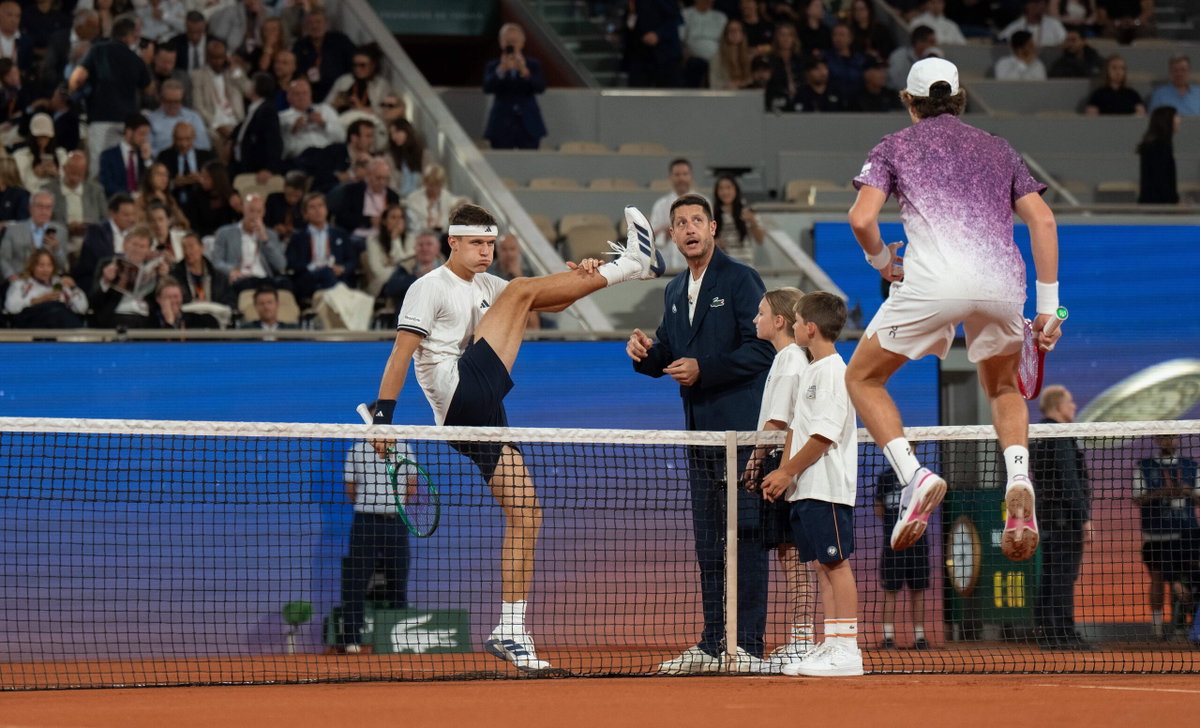
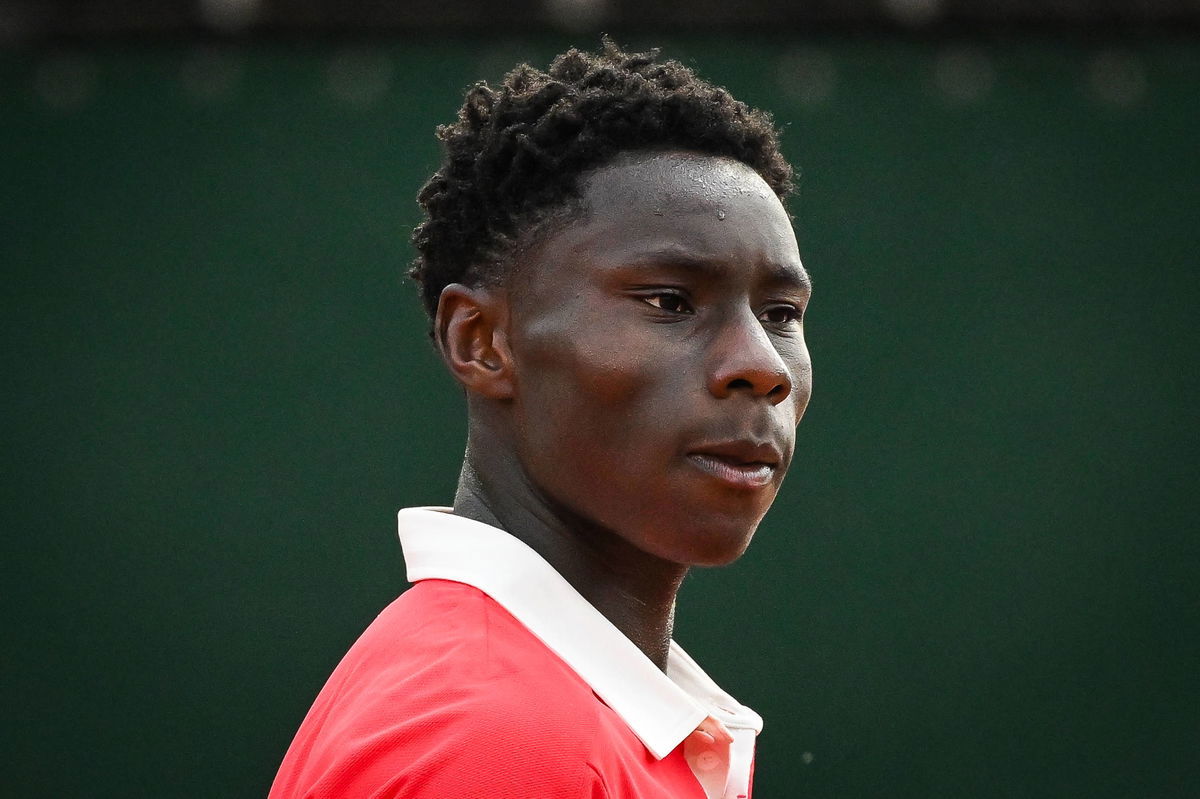
However, he didn’t stop there. “It’s not just young players doing well, it’s young players with irrefutable star power. You see [Joao] Fonseca take a swing at a forehand, you’re like, Jesus, that’s absurd. [Moise] Kouame looked like he was totally comfortable in his home Slam. There’s a weird lack of ego, but without giving up any confidence,” he added.
The two names that he called upon are not random. Fonseca, 19, came from two sets down to stun Novak Djokovic in the third round in an epic five-hour battle, becoming the first teenager to complete back-to-back comebacks from two sets down in 30 years of Grand Slam tennis. Kouame, 17, became the youngest man to reach the third round of a major since Rafael Nadal in 2003, defeating 2022 Roland Garros semi-finalist Marin Cilic on his Majors debut before taking Alejandro Tabilo to a fifth set.
Imago
Jun 2, 2026; Paris, France Mandatory Credit: Susan Mullane-Imagn Images
Andreeva herself was singled out for a different quality: tactical range. “She is a bull in the best way right now. She is very physical and can play different types of games. Those options are going to serve her well in the future and they already are when she’s not playing great. She can strategise for different matchups, which she did in this tournament,” Roddick said.
The Roland Garros title was her sixth career title and third of 2026 after Adelaide and Linz. She reached the Roland Garros semi-final on her debut as a 17-year-old in 2024, and on the women’s side, she was far from alone in the youth narrative at Paris. Victoria Mboko, Iva Jovic and Tereza Valentova, all 18 or 19, were among those who had results in the draw, alongside Rafael Jodar, 19, on the men’s side, a player Roddick had already labeled the “real deal” in April after his run at the Madrid Open. The Spaniard’s performance was once again noteworthy; he advanced to the Paris quarterfinals, ultimately falling in straight sets to Zverev.
Roddick admits he got something wrong
Roddick got candid, turning the lens on himself. The idea that the game was extremely physically demanding for youngsters to excel at the major championships was a widely held view in tennis for years, and he was one of those who held that opinion.
“Remember when people said this sport has gotten so physical, we have seen our last teenage major champion? I wondered it out loud. Very, very, very audibly. I was one of those,” he stated.
It has become a difficult case to make after Andreeva picked up a win at 19, and Fonseca, Kouame, and Mensik were in the picture in the same fortnight.
Imago
May 20, 2025, Paris, France, Copyright: xMatthieuxMirvillex
What Roddick put in its place was something harder to define. “I think there’s something about this generation being eyes wide open about expectations and embracing it early. I don’t have an obvious explanation, but I’m here for it,” Roddick concluded.
With Wimbledon three weeks away and several of those names already positioned as serious contenders on grass, Roland Garros may well be remembered as the tournament where this generation stopped being a trend and became the story.