What Is Quentin Halys’ Ethnicity, Religion, and Nationality? Everything You Need To Know

Add us on Google
What Is Quentin Halys’ Ethnicity, Religion, and Nationality? Everything You Need To Know
Add us on Google
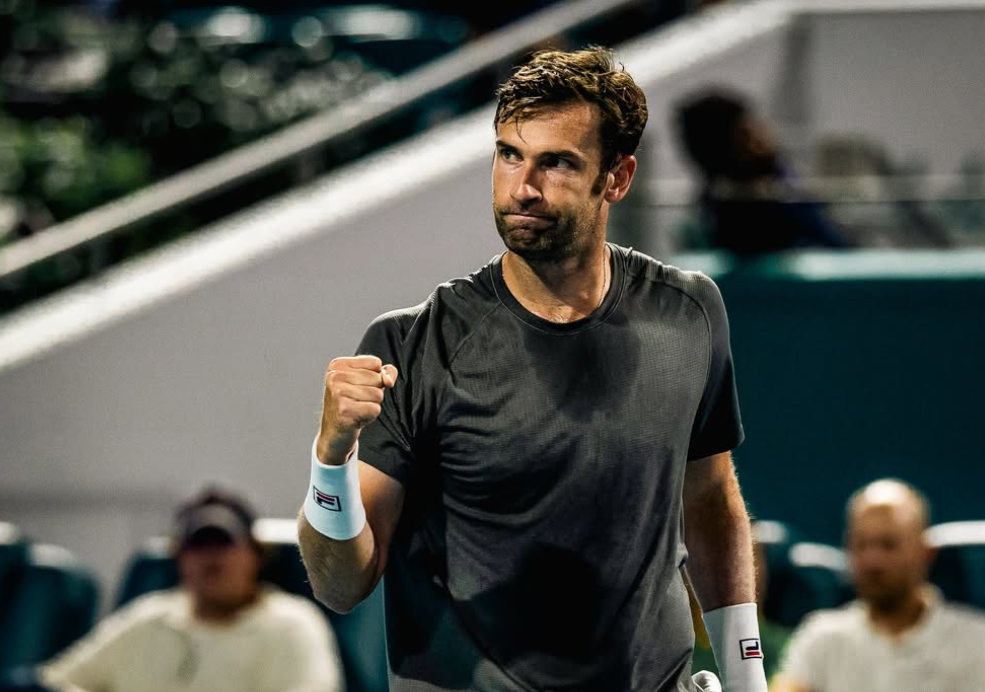
Quentin Halys built his tennis journey quietly, away from constant media attention. Bondy is famous for producing elite athletes, especially footballers and rising sports talents. But unlike flashy young athletes, Halys preferred staying private and focusing entirely on improvement. His rise was steady, not dramatic. That patient development still defines his personality today.
Watch What’s Trending Now!
What is Quentin Halys’ ethnicity?
Quentin Halys is believed to have French ethnicity, though detailed family roots remain private. He rarely discusses personal heritage publicly, choosing tennis achievements over personal storytelling interviews. Growing up in Bondy exposed him to diverse communities, strong competition, and ambitious athletes. That environment likely strengthened his determination during difficult moments in professional tennis.
Halys later settled in Boulogne-Billancourt, another area closely connected with French sporting culture. His upbringing was always deeply connected to France, especially the Paris metropolitan region. There’s little publicly verified information about his parents, siblings, or extended family background. Halys also keeps social media extremely professional, avoiding any detailed conversations about personal relationships.
School and college details remain mostly unavailable publicly because Halys entered professional tennis early. He turned professional in 2012 while still very young and heavily focused on training. Junior tournaments soon became his primary classroom. Long international trips quickly replaced traditional student experiences.
During his junior years, Halys reached four Grand Slam finals across singles and doubles. One memorable achievement came with the victory in the 2014 French Open junior doubles competition.
What is Quentin Halys’ religion?
Quentin Halys has never publicly confirmed following any specific religion or organized spiritual practice. He generally keeps private matters completely away from interviews and online public discussions. However, small glimpses occasionally appear through social media activity and personal festive greetings online.
One notable moment came when Halys warmly wished followers “Merry Christmas, everyone” on Instagram. That post suggested appreciation for Christmas traditions, though not necessarily a strict religious commitment publicly. Many French athletes celebrate Christmas culturally without discussing deeper personal faith beliefs openly afterward.
View this post on Instagram
France itself has strong secular traditions, especially among younger public personalities and professional athletes. Because of that environment, many sports figures avoid publicly defining religious affiliations or practices.
Halys appears comfortable maintaining that same private boundary regarding faith and personal beliefs. His focus consistently remains on tennis preparation, tournaments, travel schedules, and improving performance yearly.
What is Quentin Halys’ nationality?
Quentin Halys holds French nationality and proudly represents France in international tennis competitions worldwide. He was born and raised entirely in France, making his national identity straightforward to the public.
Throughout his career, he represented France during junior events, Challenger tournaments, and ATP competitions. French tennis supporters followed his progress closely, especially after strong junior Grand Slam performances earlier. His professional breakthrough eventually rewarded years of consistent persistence across smaller international tennis circuits.
Halys also reflects several classic French tennis characteristics through his attacking style and composure. His powerful serve became especially dangerous on faster courts, including grass and hard surfaces. Standing 6 feet 3 inches tall, he naturally generates pace and difficult angles on his serve.
Opponents often struggle to return his first serve under pressure in key moments of important tournaments. Yet, behind that physical advantage lies years of discipline developed quietly since childhood in Bondy.
Written by

Edited by

Snehal Dogra