Imago
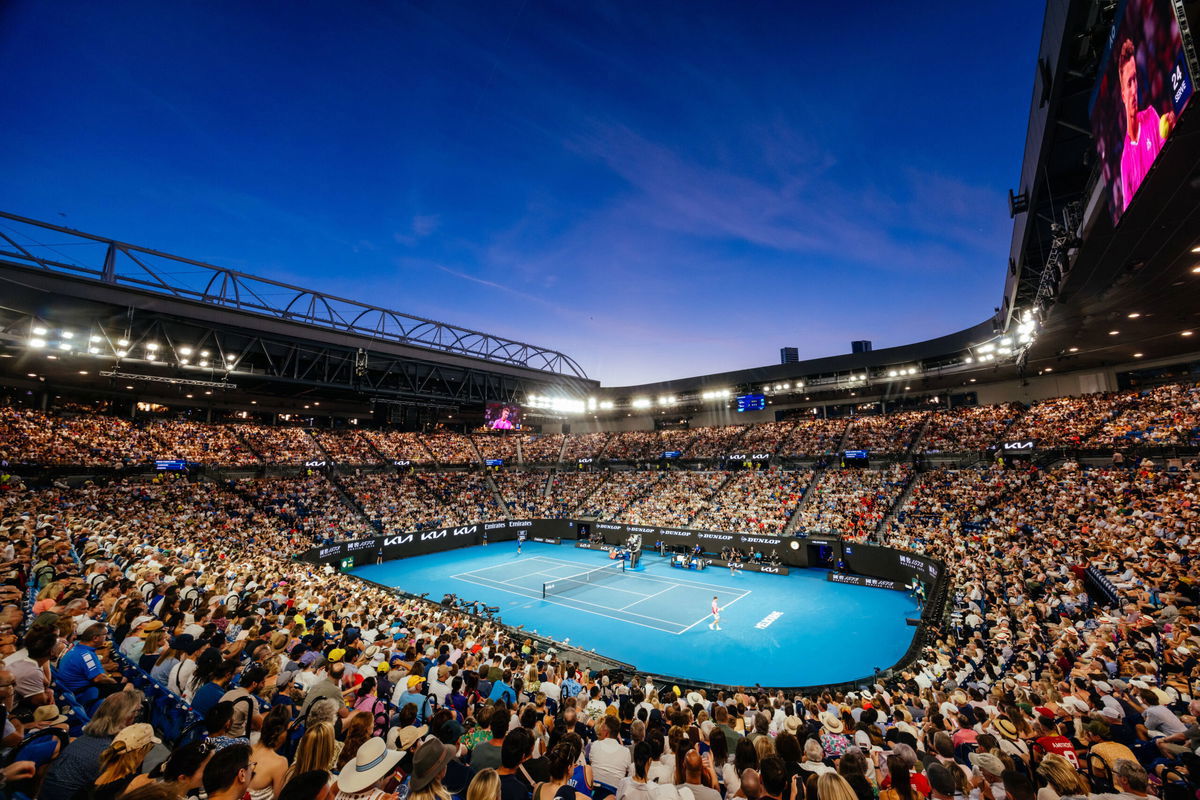
January 19, 2025: MELBOURNE, AUSTRALIA – JANUARY 19: Rod Laver Arena stadium atmosphere as Novak Djokovic of Serbia plays Jiri Lehecka of Czech Republic on day eight of the 2025 Australian Open at Melbourne Park on January 19, 2025 in Melbourne, Australia. – ZUMAp121 20250119_zsp_p121_112 Copyright: xChrisxPutnamx
Imago
January 19, 2025: MELBOURNE, AUSTRALIA – JANUARY 19: Rod Laver Arena stadium atmosphere as Novak Djokovic of Serbia plays Jiri Lehecka of Czech Republic on day eight of the 2025 Australian Open at Melbourne Park on January 19, 2025 in Melbourne, Australia. – ZUMAp121 20250119_zsp_p121_112 Copyright: xChrisxPutnamx
Carlos Alcaraz and Novak Djokovic are bringing the heat to the 2026 Australian Open final. It’s a legendary clash for the ultimate prize: the first major for one or the 11th for the other on the iconic Rod Laver Arena.


Alcaraz has stormed through the draw, barely blinking, not dropping a set until his gritty semifinal with Zverev. Djokovic, chasing history, marches in after two walkovers and a commanding win over the World No. 2 in the semis. However, the conditions of the court have been adjusted a bit with the retractable roof at RLA.
Watch What’s Trending Now!
What happened with the roof during the Australian Open final?
The Australian Open made the bold call to keep the roof open despite extreme cold (just 8°C) and heavy winds blowing at 64 km/h. However, by the time Novak Djokovic stepped up to serve against Alcaraz, the city was shivering through the second coldest day of the tournament. The mercury barely touched 16°C, and the gusty wind made it feel closer to 10°C. You could almost see the players’ breath hanging in the air as rallies turned scrappy under the punishing breeze.
Imago
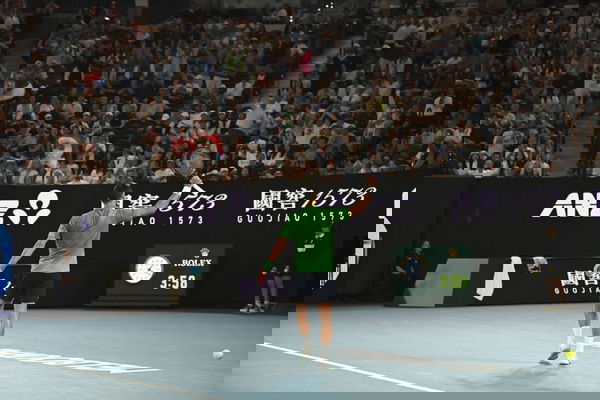
AUSTRALIAN OPEN 2026 MELBOURNE, AUSTRALIA – JANUARY 30: Novak Djokovic SRB in action against Jannik Sinner ITA NOT SEEN during the Semifinals match at the Australian Open grand slam tennis tournament at Melbourne Park in Melbourne, Australia on January 30, 2026 Mark Avellino / Anadolu Melbourne Australia. Editorial use only. Please get in touch for any other usage. PUBLICATIONxNOTxINxTURxUSAxCANxUKxJPNxITAxFRAxAUSxESPxBELxKORxRSAxHKGxNZL Copyright: x2026xAnadoluxMarkxAvellinox
The chatter courtside was all about the roof. But they stuck to tradition, and the roof was open almost to a minimum from the start of the match to maintain its status as an outdoor event.
How does a half-opened roof affect players?
The half-open roof gave the match a quirky twist, neither fully outdoor nor truly indoors. Melbourne’s wild weather, from searing 42°C heat to gusts of wind, had already kept everyone guessing all week, and this setup only amped up the intrigue.
The Spanaird wasn’t thrilled, reporting that the partial closure reduced wind compared to a fully open roof. The dynamic young Spaniard made it clear he prefers the unpredictable feel of open-air play, and he wasn’t alone in noticing how the change shifted the rhythm of the final.
Former Wimbledon champion Pat Cash said on BBC Radio 5 Live, “I agree with Carlos – if it’s not raining, open it. Carlos is very upset about it.”
A wider-open roof would invite more wind into Melbourne’s main court, conditions that would likely give the Spaniard a slight edge over his rival. But how true is that?
Who benefited: Carlos Alcaraz or Novak Djokovic?
On one hand, Nole will take full advantage of that half-open roof on Rod Laver Arena. The setup dulled the Spaniard’s natural spin and rhythm while spotlighting Djokovic’s precision. Alcaraz didn’t hide his frustration afterward, saying the partial closure changed the conditions mid-match without clear notice. Most analysts nodded in agreement, pointing out how the calm favored Djokovic’s clean ball-striking edge.
Outdoors is where Alcaraz shines when the wind plays with his topspin and keeps heavier hitters on their toes. But when cold gusts or sudden shifts interrupt, his rhythm wobbles. Indoors, he still hits big, only with less room for error. The 24-time Grand Slam champion handles the elements better than most, though strong wind takes his serve down a notch. Once the air steadies, though, his hitting turns clinical and nearly flawless.
That’s exactly what unfolded in Melbourne. Novak locked in, crushing the first set 6-2 in just 34 minutes, firing 78% first serves, eight winners, and only four unforced errors.
“If not raining, open it,” said Pat Cash, siding with the 22-year-old and calling for more open-air play. Tim Henman agreed, questioning the partial close that, in his words, “dulled the outdoor essence” and played right into Djokovic’s hands.
What happens if it rains during the match?
When rain slips into a match on Rod Laver Arena at the Australian Open 2026, play halts in a flash. Officials react fast for safety as the slick, hard court turns risky, and within minutes, the roof glides entirely shut. A brief pause of five to ten minutes follows for the roof to close and the court to dry. Players use it to breathe, stretch, and rethink their plans. The rain has struck the 2026 AO a few times.
On January 24, play at AO paused briefly as temperatures soared to 36°C, forcing officials to close the roofs on the main showcourts. The suspension came during defending champion Jannik Sinner’s third-round match against Eliot Spizziri on Rod Laver Arena, with conditions deemed unsafe for players.
Tournament organizers later announced that Saturday’s day session would begin at 10:30 a.m. and adjusted the schedule to move more matches to roofed arenas such as Margaret Court Arena, reducing play on open courts. The swift response kept the event running smoothly despite the heat.
Should heat be an issue, then the Australian Open Heat Rule comes into play. When the WBGT hits 30.1°C or above during the opening two sets of a best-of-three singles match, the tournament’s heat policy kicks in. At that point, either player can call for a 10-minute cooling break after the second set, a rule that applies equally to both competitors.
Now, as Carlos Alcaraz and Novak Djokovic continue to vie for their chance at glory in Melbourne Park. It’s yet to be seen how the match will continue.
