Imago
Via Imago
Imago
Via Imago
Imago
Via Imago
Imago
Via Imago
Dana White‘s latest campaign to redefine boxing’s regulatory future has rekindled old wounds in a sport that has spent decades attempting to defend itself against its own power structures. This time, the dispute is not about belts or promoters, but about who ultimately controls the fighters.
Watch What’s Trending Now!
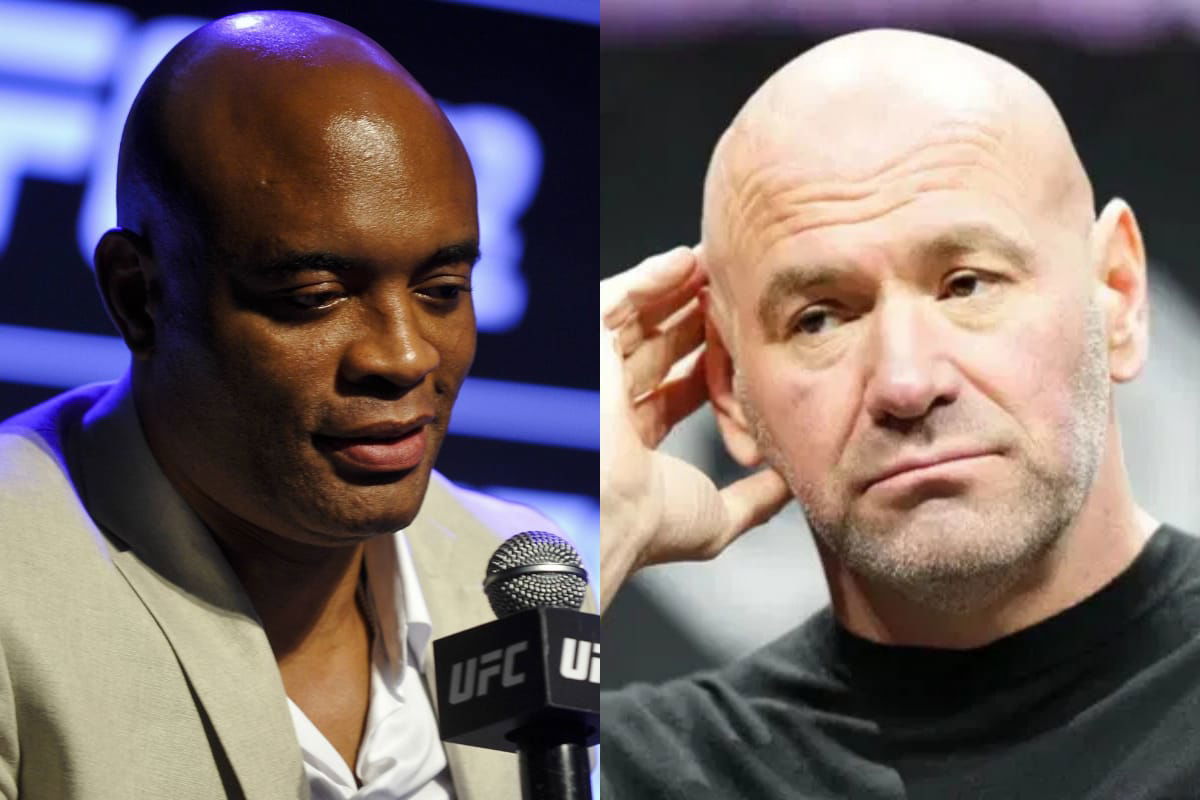
What makes this situation uncomfortable is where the idea comes from. White, backed by the TKO Group, is calling for modifications to the Muhammad Ali Boxing Reform Act, a law designed to prohibit the kind of centralized control that defines modern MMA. And adding to the list of critics is a name the UFC CEO is well familiar with – Anderson Silva.
Anderson Silva questions the motive behind the Ali Act changes
Anderson Silva did not present his concern as resistance to progress. Speaking on Fight Hub TV, he made it clear that reform isn’t the problem. “We need to respect the boxing community; that’s the point,” Silva said, citing the sport’s legacy rather than politics. To him, boxing is not a broken system that needs to be restored by outsiders; instead, it is a delicate one fashioned by hard lessons.
He admitted that substantial change can be beneficial for fighters. And that perspective is important because it distinguishes his viewpoint from the reactionary opposition. ‘The Spider’ isn’t defending boxing’s flaws; he’s defending the intent behind its safeguards. Where his tone hardened was around control.
“When you make something to help the sport and help the athletes, okay, but when you try to do something for control the whole thing, this is bad. This is very bad,” Silva warned. Having lived within the UFC’s tightly controlled ecosystem, he understands how fast potential can turn into dependence when one institution controls rankings, titles, and careers.


That fear is consistent with what many boxing traditionalists have been saying so far. The proposed changes would allow promoters to create their own titles and rankings, blurring the lines that the Ali Act was intended to keep separate. Critics claim that once the walls collapse, boxers lose leverage before they realize it. Anderson Silva’s concern is not theoretical.
‼️“RESPECT boxing!”- Anderson Silva
Anderson Silva speaks out on Dana White and TKO Boxing trying to change the Ali Act, and says it could be very bad for the sport. pic.twitter.com/UTeNdBP6CB
— Fight Hub TV (@FightHubTV) December 23, 2025
The Ali Act exists because boxers have been exploited for decades by promoter-driven systems. Weakening it, even with promises of higher pay or safety, risks recreating the same dynamics that the law was meant to stop. Anderson Silva’s question is straightforward but uncomfortable: Who gains when the dust settles?
If reform moves power upward rather than outward, boxing does not evolve; rather, it regresses. And that might be the most dangerous outcome of all. But will Dana White listen to ‘The Spider’? Well, there are chances of that happening, as the UFC legend recently revealed that he has no beef with the UFC head honcho.
Silva has no issues with Dana White despite past friction
That warning about power is not based on bitterness. Anderson Silva has been careful to differentiate between disagreement and hostility, and he has said this openly. Despite years of visible friction during his UFC career and an unceremonious exit, ‘The Spider’ claims he has no personal issues with Dana White.
In his opinion, this isn’t about settling past scores but about establishing lines between business models that don’t always translate. Right ahead of his recent boxing bout with Tyron Woodley, Silva brushed aside the idea that White is a villain figure. “A lot of people talk bad about Dana, but he’s a businessman,” Silva stated.
He described their past in practical terms, stating that the UFC has always relied on numbers, leverage, and outcomes. “It’s tough to say something bad or good about Dana because it’s only about business,” he added, acknowledging White’s longevity and power without romanticizing it. Where Anderson Silva draws the line is between sports, not people.
He has repeatedly stated that boxing runs differently, influenced by tradition and independence. And according to him, that respect cannot be earned just by spending power. That explains why his critique of the Ali Act push is not an attack on the UFC CEO, but rather a cautionary tale about adopting the UFC’s centralized model for a sport that was built to avoid it.