Imago
Credits: IMAGO
Imago
Credits: IMAGO
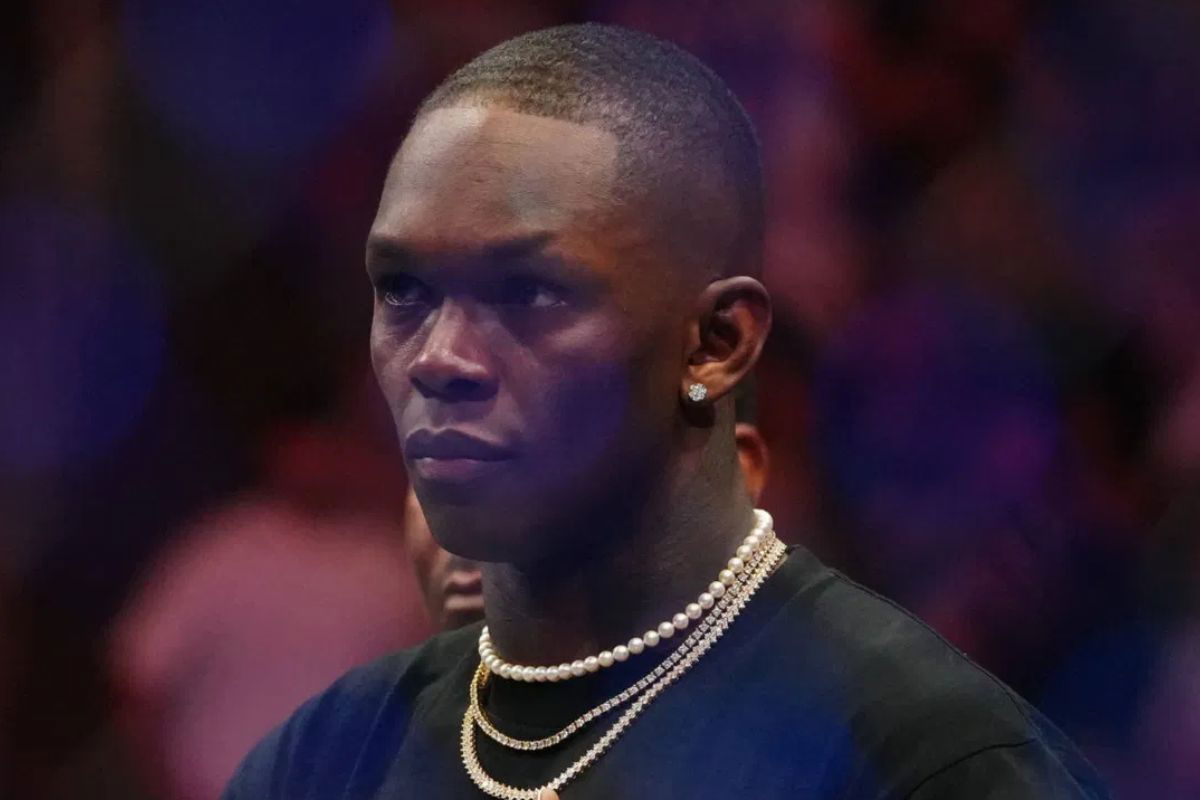
Israel Adesanya didn’t disguise his reaction when the reported numbers around Conor Benn’s Zuffa Boxing deal began circulating. The former UFC middleweight champion looked at the $15 million figure attached to a single fight and asked a simple question: if that’s possible under the same promotional umbrella, why not for UFC fighters too?
Watch What’s Trending Now!
Benn’s reported one-fight payday with Zuffa Boxing has become one of the most talked-about topics in combat sports this year. The British boxer left longtime promoter Eddie Hearn and his Matchroom Boxing to sign with the Dana White–led promotion, which operates under TKO Group Holdings, the parent company for UFC. While TKO executives later clarified that Benn’s purse is being covered by their Saudi entertainment partner SELA, not TKO alone, the optics still caught fighters’ attention.
“These guys are top-class boxers. They’re the best in the world at what they do. But so are we,” Adesanya said on his YouTube channel. “This is the UFC. And if one guy can command that kind of money for one fight, and that’s from the same company, Zuffa. This is what’s been keeping the lights on, is the UFC. We love Ultimate Fighting, not limited fighting. I don’t feel jaded, but I’m like, f– it, I want 15 million for one fight too.”
‘The Last Stylebender’ also pointed to the difference between guaranteed purses and performance incentives. The UFC recently increased its fight-night bonuses, but those payments depend on finishing a fight or earning “Fight of the Night.”
In other words, a bonus is an incentive for a certain outcome, not a certainty. That distinction matters when comparing combat sports pay structures. Boxing purses are typically guaranteed and negotiated per fight. UFC contracts, meanwhile, are structured around base pay, win bonuses, and discretionary performance awards.

Israel Adesanya reacts to Zuffa Boxing paying Conor Benn $15M for one fight:
“We know these [boxers] are the best in the world at what they do, but so are we. This is the UFC. We love ultimate fighting, not limited fighting.
F**k it, I want $15 million for one fight too.”
(via… pic.twitter.com/bNV6zxlwzN
— Championship Rounds (@ChampRDS) March 4, 2026
Israel Adesanya’s comments arrive during a broader moment of scrutiny around fighter pay. Over the past year, the UFC settled a $375 million antitrust lawsuit related to compensation claims. At the same time, TKO has been expanding its footprint with Zuffa Boxing, backed financially by partners willing to fund major events and large purses. Those dynamics blur the lines between two sports operating under the same corporate roof.
If the same organization can produce a $15 million payday for a single boxing appearance, it raises a natural question for athletes inside the UFC. How far can their own pay ceiling go?
For now, the Benn deal remains a one-fight arrangement tied to a marquee event similar to the Canelo Alvarez vs. Terence Crawford fight promoted under the Zuffa banner last year. But conversations like Israel Adesanya’s show that fighters are paying attention to the numbers and to the precedent they might set. And Adesanya isn’t the only UFC star questioning the pay disparity.
Sean O’Malley goes off on Conor Benn’s Zuffa Boxing payday
The former bantamweight champion echoed the sentiment on his YouTube channel, calling the figure ‘unreal’ when the reported purse attached to Conor Benn’s deal began circulating.
“For me, it’s so hard to believe,” ‘Suga’ said. “…I can’t imagine it being true. Zuffa Boxing is like they’re paying out. I don’t even know who Conor Benn is. He’s supposed to be a pretty big name in boxing, but I’ve never heard of him.”
Sean O’Malley has built one of the biggest personal brands in the UFC, with social media numbers that more than double Benn’s following, yet the pay structures between the sports remain dramatically different. He even pointed out the work required to become a star in the UFC, with building a personality, drawing fans, and headlining major cards, before adding bluntly: “I’m not f—ing making $15 million a fight.”
So when fighters like Israel Adesanya and Sean O’Malley react to Benn’s reported payday, it’s not just about one boxer or one contract. It highlights a bigger question fighters keep asking behind the scenes: if both sports now operate under the same corporate umbrella at TKO, will the economics eventually start to look more similar too?