
Marcus Almeida was supposed to be the nightmare nobody wanted to deal with. A 13-time jiu-jitsu world champion, one of the most decorated grapplers of his generation, and a guy who seemed almost tailor-made for MMA. Yet somehow, his UFC career has become a completely different story. ‘Buchecha’ is still searching for his first UFC win, having lost two of his three fights inside the Octagon. And now, with his MMA career at a crucial point, Joe Rogan has offered a pretty brutal explanation for why even a grappling legend like him can struggle when the gloves go on.
Watch What’s Trending Now!
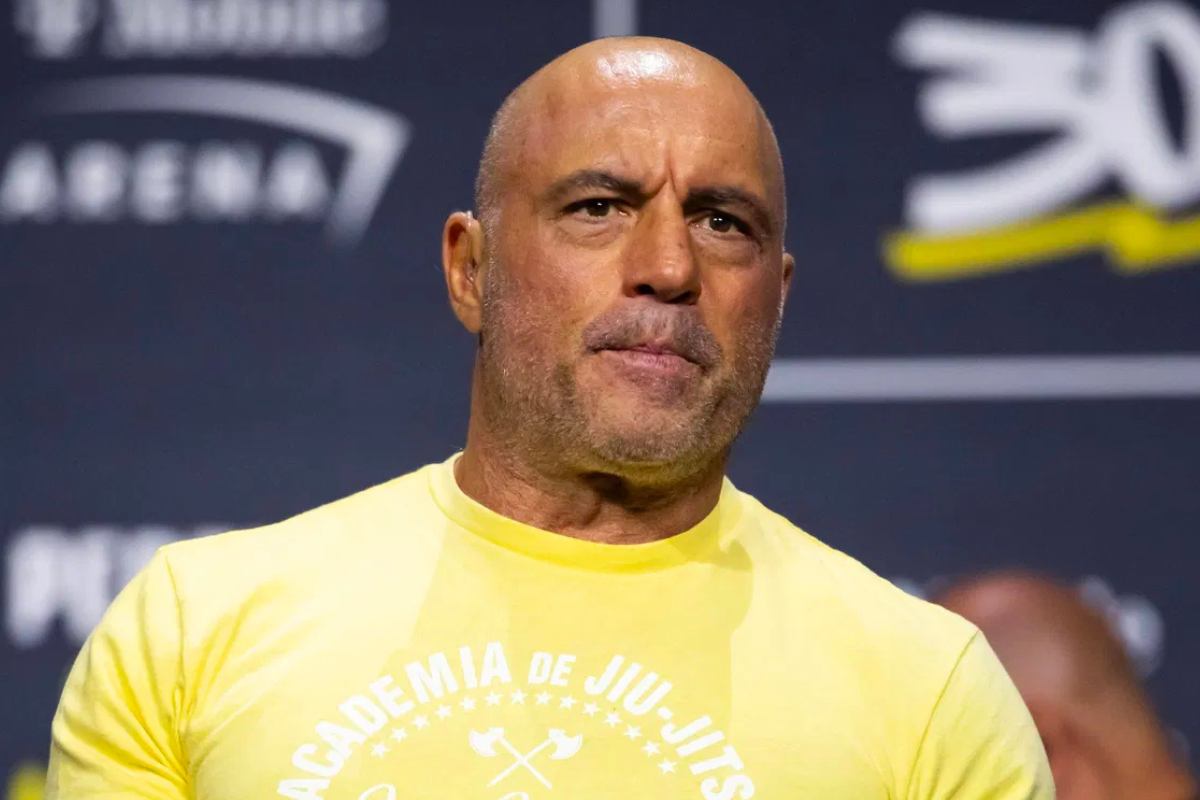
“How many elite jiu-jitsu guys wind up in MMA? It’s probably like not even a tenth,” Joe Rogan said on a recent episode of his JRE podcast. “Out of the best jiu-jitsu guys, how many of them wind up in the UFC? Not even one in 10.
“You get really good at jiu-jitsu, you realise when you’re 33 that you want to start competing (in MMA), so you have a bunch of regional fights. By the time you’re in the UFC, you’re 37, 38. That’s the problem; you’re too late.”
The UFC commentator wasn’t done with the breakdown just yet.
“It’s not 1993 anymore. You have to learn how to strike, and it takes forever,” he continued. “Really, you’re never going to be able to strike with a guy who is an elite striker… they learn how to do it when they’re children.
“The problem with a jiu-jitsu guy going to MMA is jiu-jitsu is not takedown-heavy; it’s not wrestling. It’s a big flaw.”
Zuma
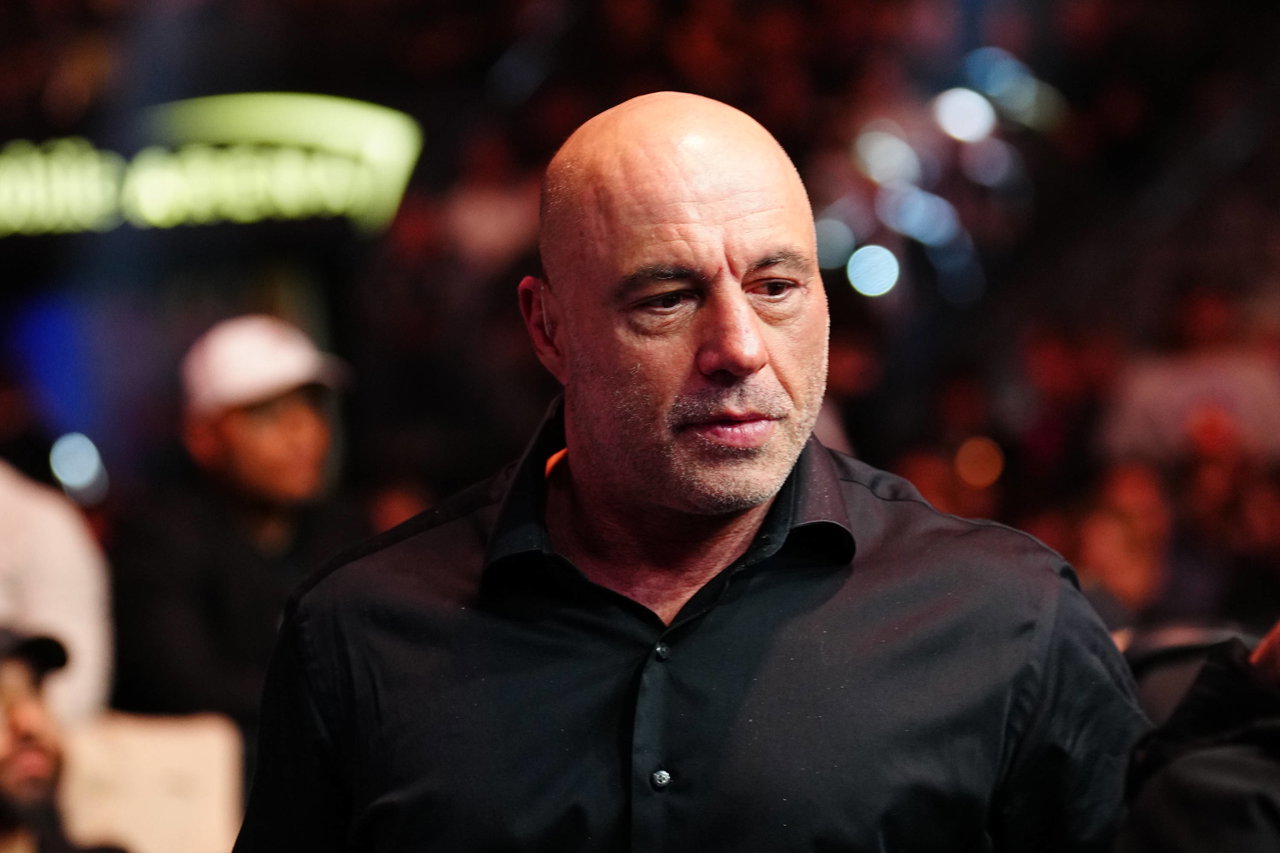
December 7, 2024, Las Vegas, Nevada, Las Vegas, Nv, United States: LAS VEGAS, NV -DECEMBER 7:Joe Rogan during UFC310 – Pantoja vs Asakura at T-Mobile Arena on December 7, 2024 in Las Vegas, Nevada /PxImages Las Vegas, Nevada United States – ZUMAp175 20241207_zsa_p175_465 Copyright: xLouisxGrassex
The Brazilian’s MMA career initially suggested that his transition from jiu-jitsu could be a successful one. After years of dominating the sport, Marcus Almeida made his MMA debut with ONE Championship in 2021 and won his first four fights, quickly building momentum as one of the most decorated grapplers to make the switch.
But the UFC has been a very different challenge. The 36-year-old is winless in three UFC appearances, suffering a decision loss to Martin Buday before fighting Kennedy Nzechukwu to a draw after Nzechukwu was deducted a point. Almeida then suffered a knockout loss to Ryan Spann in his most recent outing.
With no UFC fight currently scheduled, ‘Buchecha’ remains in search of his first win inside the Octagon. And with his UFC record now standing at 0-2-1, the pressure to turn things around is only growing.
Joe Rogan’s explanation points to one of the biggest hurdles elite grapplers face when they make the jump to MMA. Years of specializing in jiu-jitsu can give a fighter an elite foundation on the ground, but MMA demands much more than that.
Striking, wrestling, takedowns, and defense all have to come together while a fighter is also dealing with punches, kicks, and the constant threat of being hurt. That becomes even more difficult when the transition happens later in a fighter’s career.
While an elite jiu-jitsu competitor may be starting to build his or her striking and wrestling skills in his or her 30s, many of the fighters they face have spent most of their lives developing those areas.. And Marcus Almeida is far from the only elite grappler to discover just how difficult that transition can be.
Other elite grapplers have struggled to make the UFC transition
Kron Gracie is another clear example of how difficult that transition can be, even for a jiu-jitsu specialist with an elite resume. The son of legendary grappler Rickson Gracie, Kron won the 2013 ADCC World Championship by submitting all four of his opponents, establishing himself as one of the top names in the sport.
He carried that momentum into MMA, going 4-0 in Japan before making his UFC debut in 2019. Gracie wasted little time showing what made him so dangerous, submitting Alex Caceres with a rear-naked choke in the first round.
But his UFC career quickly took a turn. Gracie dropped three straight fights, losing unanimous decisions to Cub Swanson and Charles Jourdain before Bryce Mitchell stopped him with a slam and elbows at UFC 310. His run with the promotion ultimately came to an end when his contract was not renewed in June 2025.
Another example of an elite grappler whose jiu-jitsu success didn’t translate quite as smoothly to MMA is Alexandre Dantas. A multi-time World, Pan-American, and Brazilian National champion across gi, no-gi, and masters divisions, Dantas had already beaten several major names in the sport, including Fabricio Werdum, Demian Maia, and Marcelo Garcia.
His UFC career, however, lasted just two fights. Dantas suffered knockout losses to Yuki Kondo at UFC 27 and Gan McGee at UFC 41 before stepping away from MMA and returning his focus to competitive jiu-jitsu.
Almeida, Gracie and Dantas are examples of how tough the UFC can be, even for fighters who have already achieved the highest levels in another combat sport. But this struggle isn’t just for elite jiu-jitsu competitors. Former champions and established names from other promotions have also found themselves in surprisingly difficult stretches inside the Octagon.
Tai Tuivasa is a particularly stark example. The former Australian Fighting Championship heavyweight champion is now on the verge of an unwanted piece of UFC history. In 2026, ‘Bam Bam’ tied the record for the longest losing streak in UFC history, losing eight straight fights just like former interim lightweight champion Tony Ferguson.
It is a remarkable turnaround for a fighter who won the Australian Fighting Championship heavyweight title in 2016, defended it successfully, and then went on to build a strong UFC career.
Despite the recent struggles, the 33-year-old has still had plenty of memorable moments inside the Octagon. He has picked up five post-fight bonuses, including four Performance of the Night awards and one Fight of the Night. “Bam Bam” also became the first Indigenous Australian to win a UFC fight and remains tied for the fourth-most consecutive knockouts in UFC history with five.
Now, Tai Tuivasa has a chance to finally stop the losing streak. The Australian is set to begin his 2027 campaign on home soil at the February 7 event in Sydney, where he will face Jhonata Diniz. Diniz enters the matchup looking to rebound himself after back-to-back knockout losses to Mario Pinto and Tanner Boser that had fans calling for his firing from the UFC.
So, the stakes could hardly be higher for Tuivasa, as another loss would give him the longest losing streak in UFC history. And that is ultimately what connects the heavyweight’s situation with Almeida, Gracie, and the other elite grapplers discussed above.
Success in another combat sport or promotion can provide an incredible foundation, but like Joe Rogan said, it is no guarantee of success in the UFC.