Imago
Credit: Imago
Imago
Credit: Imago
Mixed martial arts has existed for decades, but the UFC brought it into the mainstream. In the early UFC era (starting with UFC 1 in 1993), there were no rounds, no judges, and only a few fouls (notably no biting, no eye gouging, and no groin strikes). Fights typically ended by knockout, submission, referee stoppage, or a corner stoppage (throwing in the towel). Sen. John McCain famously criticized early UFC as ‘human cockfighting,’ helping drive political pressure for regulation.
Watch What’s Trending Now!
To respond to political pressure and legitimize MMA, state athletic commissions moved to standardize regulation in the early 2000s, most notably New Jersey’s process in 2000–2001, which became the foundation of the Unified Rules later adopted widely across North America. These regulations standardized the round structure, fouls, officiating, judging, and weight classes, creating a consistent rule framework for sanctioned events. Over time, the UFC also prohibited additional moves to better protect competitors.
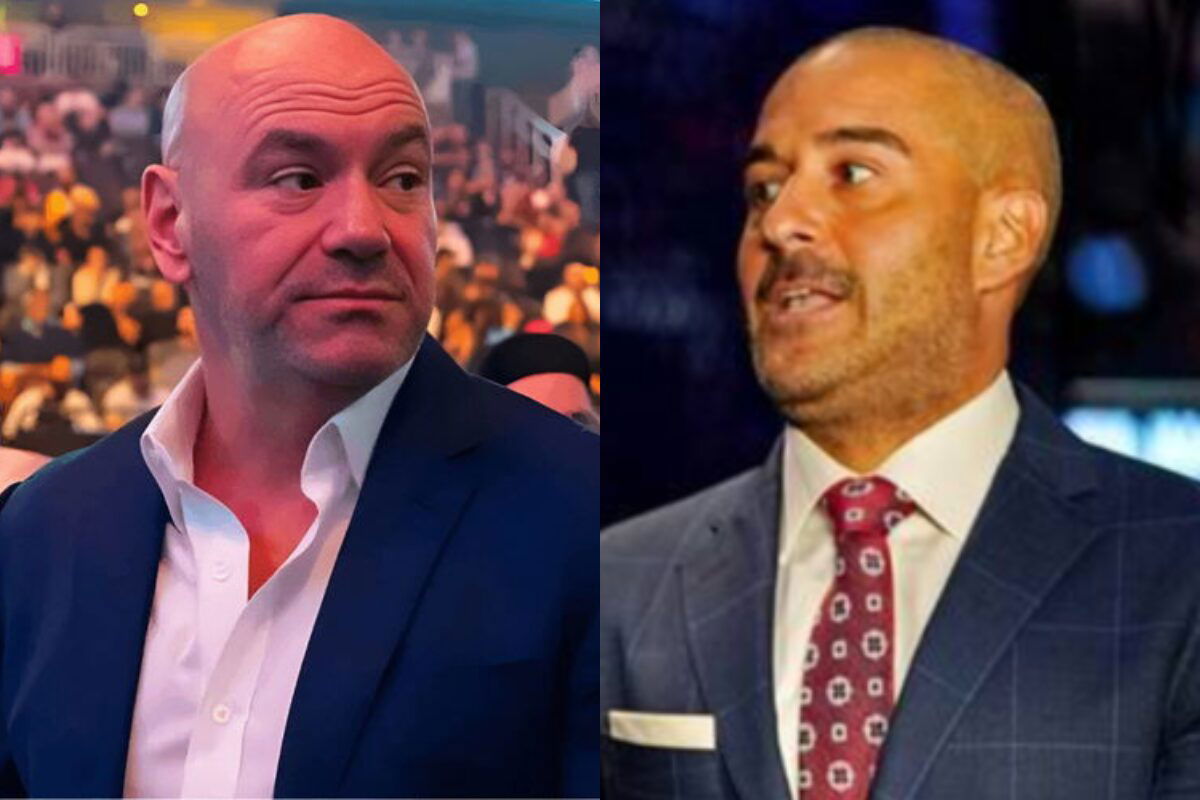
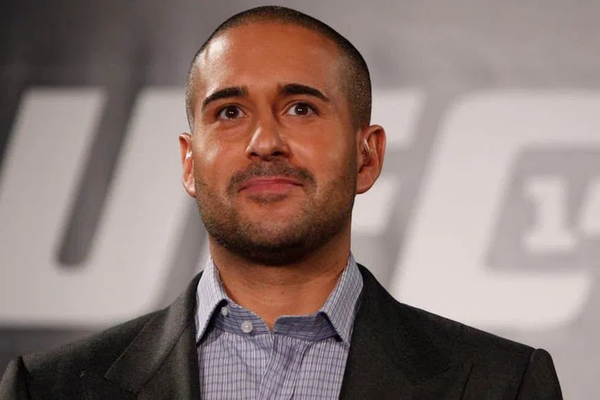
Recently, UFC commentator Jon Anik proposed reintroducing some rules in modern MMA that were once used by rival organization PRIDE. On X and a Florida-based podcast, he asked fans, “If you could add a rule back, what would it be and why?” Taking the discussion further, Anik suggested bringing back a 10-minute first round. “Where to begin?! ROUND ONE = 10 MINUTES!” he wrote on X.
Where to begin?! ROUND ONE = 10 MINUTES! https://t.co/GI5zZwkFDu
— Jon Anik (@Jon_Anik) December 21, 2025
Back in the day, PRIDE dominated the Japanese MMA circuit from 1997 to 2007, establishing itself as the premier promotion. It helped grow the sport in Japan and, at the same time, offered a style that differed distinctly from American promotions. PRIDE scheduled bouts with a long 10-minute first round followed by two 5-minute rounds, giving the fights a unique rhythm and intensity. Now, fans are also actively joining the discussion in the comments.
MMA community joins Jon Anik in discussing PRIDE-era rule revival
Today, most UFC champions rely on a grappling-heavy approach. By contrast, PRIDE emphasized striking and used a unique ring structure. The promotion also allowed techniques like soccer kicks, stomps, and knees to the head of a grounded opponent, moves that the UFC bans. Interestingly, one fan even advocated bringing these techniques back, commenting, “Soccer kicks and knees on the ground like Pride FC.”
Although the UFC still prohibits many of these moves, the Association of Boxing Commissions voted in July 2024 to remove the 12–6 elbow ban from the Unified Rules, effective Nov. 1, 2024, though adoption still varies by state commission. Back in its prime, PRIDE dominated the MMA world, showcasing legends such as Fedor Emelianenko in the heavyweight division, alongside Wanderlei Silva, Kazushi Sakuraba, and Mauricio “Shogun” Rua. In fact, the promotion expanded MMA’s reach across Japan and beyond.
Fans continue to discuss potential rule changes. For example, one suggested, “If you miss weight you should lose a point before the fight starts.” Additionally, PRIDE officials used a yellow card to penalize fighters and deduct points. The promotion also created unforgettable nights for Japanese fans with dramatic fighter entrances set to music. Its style-versus-style matchmaking pushed competitors to innovate inside the ring.
Then, in 2007, Lorenzo and the Fertitta brothers purchased PRIDE, ending the promotion. Despite its relaxed approach, PRIDE enforced certain rules, such as restricting fighter coaching during rounds, unlike the UFC. As one fan noted, “No coaching during the rounds. Only allowed between rounds.”
Ultimately, PRIDE could not survive. Experts blame the lack of major TV broadcast deals in Japan, a crucial source of revenue. Moreover, a fan highlighted this, saying, “No rounds is the only solution, but that’s not TV commercial friendly.” Alleged organized-crime (Yakuza) involvement also factors into discussions about PRIDE’s closure.
Amid the ongoing debate about bringing back old rules, and with Joe Rogan occasionally weighing in, which rule do you think the American MMA scene should prioritize? Share your thoughts below.
Written by

Edited by

Ved Vaze