Imago
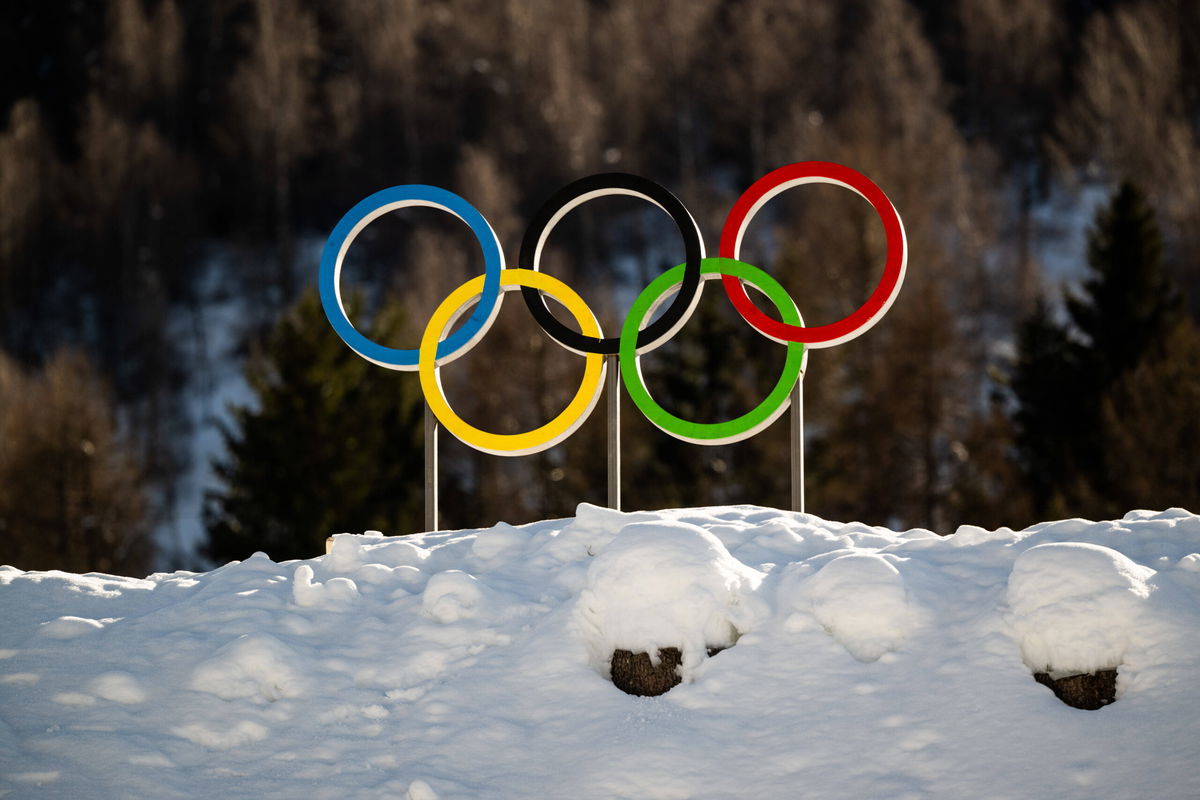
260201 The Olympic Rings are seen at Tesero Cross Country Stadium during day -5 of the 2026 Winter Olympics on February 1, 2026 in Tesero. Photo: Mathias Bergeld / BILDBYRAN / kod MB / MB1289 skidor cross-country skiing langrenn Olympic Games, Olympische Spiele, Olympia, OS olympics winter olympics os ol olympiska spel vinter-os olympiske leker milano cortina 2026 milan cortina 2026 milano cortina 2026 olympic games milano cortina 2026 winter olympic games milano cortina-os milano cortina-ol vinter-ol -5 bbeng Tesero Cross Country Stadium genre os-ringar os-ringarna olympic rings *** 260201 The Olympic Rings are seen at Tesero Cross Country Stadium during day 5 of the 2026 Winter Olympics on February 1, 2026 in Tesero Photo Mathias Bergeld BILDBYRAN kod MB MB1289 skidor cross country skiing langrenn olympic games olympics winter olympics os ol olympiska spel vinter os olympiske leker milano cortina 2026 milan cortina 2026 milano cortina 2026 olympic games milano cortina 2026 winter olympic games milano cortina os milano cortina ol vinter ol 5 bbeng Tesero Cross Country Stadium genre os ringar os ringarna olympic rings PUBLICATIONxNOTxINxSWExNORxFINxDEN Copyright: MATHIASxBERGELD BB260201MB020
Imago
260201 The Olympic Rings are seen at Tesero Cross Country Stadium during day -5 of the 2026 Winter Olympics on February 1, 2026 in Tesero. Photo: Mathias Bergeld / BILDBYRAN / kod MB / MB1289 skidor cross-country skiing langrenn Olympic Games, Olympische Spiele, Olympia, OS olympics winter olympics os ol olympiska spel vinter-os olympiske leker milano cortina 2026 milan cortina 2026 milano cortina 2026 olympic games milano cortina 2026 winter olympic games milano cortina-os milano cortina-ol vinter-ol -5 bbeng Tesero Cross Country Stadium genre os-ringar os-ringarna olympic rings *** 260201 The Olympic Rings are seen at Tesero Cross Country Stadium during day 5 of the 2026 Winter Olympics on February 1, 2026 in Tesero Photo Mathias Bergeld BILDBYRAN kod MB MB1289 skidor cross country skiing langrenn olympic games olympics winter olympics os ol olympiska spel vinter os olympiske leker milano cortina 2026 milan cortina 2026 milano cortina 2026 olympic games milano cortina 2026 winter olympic games milano cortina os milano cortina ol vinter ol 5 bbeng Tesero Cross Country Stadium genre os ringar os ringarna olympic rings PUBLICATIONxNOTxINxSWExNORxFINxDEN Copyright: MATHIASxBERGELD BB260201MB020
The Milan-Cortina Winter Olympics opened Friday, capping a turbulent climb to opening day. In the final stretch, crews were scrambling to finish venues scattered across 15 different competition sites stretching through northern Italy, turning what should have been a celebration into a full-on race against time. Organizers have repeatedly said these Games were designed with environmental sustainability at the forefront, yet what’s unfolding on the ground tells a more complicated story.


Back in 2018, when Italy first bid to host the Winter Olympics in Milan and Cortina, leaders confidently pitched the event as one of the greenest Games ever. But years later, fresh satellite images show more soil being consumed around Alpine venues, while lawsuits and complaints from residents and advocacy groups point to delayed environmental reviews and risk assessments. Adding to the concern, there have also been deaths reported in the Italian mountains. So how did that happen?
Watch What’s Trending Now!
What happened in the Italian mountains, and where did the 13 deaths occur?
Over just the past week, a record 13 backcountry skiers, climbers, and hikers have lost their lives, according to rescuers. Ten of those deaths were tied to avalanches set off by an unusually unstable snowpack, all happening as Winter Olympic competitions were getting underway.
Importantly, the avalanches didn’t strike the groomed, closely monitored Winter Olympic venues but hit ungroomed slopes and remote terrain near Lombardy along the Swiss border, around Cortina d’Ampezzo in Veneto, and near the cross-country trails in Val di Fiemme, Trentino. Recent storms dumped heavy snow, and strong winds piled it onto weak layers below the surface, creating hazardous conditions across the Alpine arc from France to Austria, Italy’s alpine rescuers explained.
The weekend alone brought a heartbreaking toll: Two skiers were killed in Lombardy, three more in Trentino, and another in nearby South Tyrol. Among them were two people who died in separate avalanches near the Marmolada glacier. One of the victims was found at Punta Rocca, a 3,300-meter peak on the highest mountain in the Dolomites, according to Italy’s Alpine Rescue Service, per Reuters.
Getty
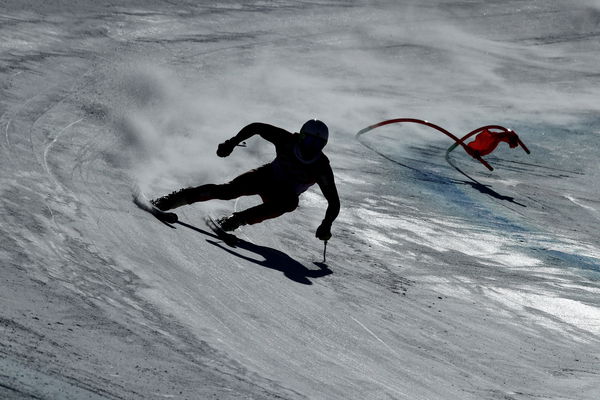
PYEONGCHANG-GUN, SOUTH KOREA – FEBRUARY 15: Kjetil Jansrud of Norway makes a run during the Men’s Downhill on day six of the PyeongChang 2018 Winter Olympic Games at Jeongseon Alpine Centreon February 15, 2018 in Pyeongchang-gun, South Korea. (Photo by Clive Mason/Getty Images)
Rescuers said the man had been skiing with three others when he accidentally triggered the avalanche and was buried beneath the snow. His companions made it out unharmed. Elsewhere, two more bodies were recovered in the small town of Albosaggia. Authorities have not released the identities of the three victims, per Reuters.
The losses extended beyond skiers. Two hikers died on Monte Grappa in Veneto and in the Marche region along the Apennine range, and an ice climber was killed in Valle d’Aosta.
Amid all of it, the same Alpine Rescue Corps was also called into action to airlift U.S. downhill skier Lindsey Vonn after she crashed during competition in Cortina d’Ampezzo on Sunday, a reminder of just how unforgiving the mountains can be.
Are any of the fatal accidents connected to Olympic venues or courses?
No, as far as officials have confirmed, none of the recent fatal accidents happened on Olympic competition slopes or courses.
To make sense of that difference, it helps to picture three very different types of snow terrain. Winter Olympic competition slopes are purpose-built courses set up for elite athletes. These are carefully prepared, constantly groomed, and monitored by safety teams working around the clock, from avalanche control to snow quality checks, so the risk of uncontrolled slides or unexpected hazards is kept as low as possible.
Then you have managed ski resorts, the areas most recreational skiers know. These include groomed runs, marked trails, and lifts that take you up and down the mountain. Ski patrols regularly assess snow conditions, set up avalanche barriers when needed, and close off dangerous terrain. So while skiing always carries some risk, resort areas are controlled environments with ongoing safety operations that are very different from the wild.
Finally, uncontrolled backcountry areas are the big, open mountain spaces beyond resort boundaries and Olympic courses. There’s no grooming, no patrol, and no controlled avalanche mitigation. Snow layers can become unstable without warning, and even small triggers (like the weight of one skier) can set off a deadly slide. That’s exactly where the recent avalanche fatalities happened: on remote, ungroomed slopes rather than the monitored venues of the Winter Games.
How are Italian authorities and Olympic organisers ensuring safety for 2026?
Italian authorities and Olympic organizers have put a multi-layered safety plan in place for the 2026 Winter Games, blending around-the-clock coordination with real-time monitoring and emergency preparedness.
One cornerstone of that plan is a 24/7 command centre (the International Olympic Operations Room (SOIO) based in Rome) that operates continuously throughout the Games. This command center links up with local police headquarters across northern Italy, international partners like Interpol and Europol, and other key agencies so that security information flows seamlessly and critical issues can be managed without delay.
In addition to the security command structure, continuous weather and avalanche monitoring are a vital part of keeping athletes and spectators safe. Official bulletins on snow, wind, and avalanche risks have been organized specifically for the Milano Cortina 2026 Games, giving authorities and outdoor teams frequent updates on changing conditions in the mountain regions where competitions are held. These warnings help ski patrols, rescue teams, and event planners anticipate dangerous conditions and take proactive measures well ahead of time.
Finally, another big piece of the safety puzzle is emergency response coordination across multiple services. Police deployments include specialized units such as dog teams and bomb disposal squads conducting sweeps, and multi-tiered security perimeters with surveillance cameras around key venues.
Traffic and public access measures are also being managed to keep crowds moving safely and to ensure that medical, law enforcement, and rescue teams can reach any incident quickly. All of these efforts are designed to work together so that, if something goes wrong, trained teams are ready to respond efficiently and effectively.
Written by

Edited by

Firdows Matheen